California sea lions ★California sea lions come from the Pacific coast of North America. Unlike seals, they can turn their hind flippers forward and walk well on land. Their pool opened in 2007, and at the time they were the only sea lions in Poland. Every morning the keepers do medical training with them here, and at noon there is a feeding demonstration.
Lowland gorillas ★Lowland gorillas live in the rainforests of Central Africa and are the largest of the great apes. Opole's gorilla enclosure, opened in 2005, is an island surrounded by a water-filled moat, with trees and ropes for climbing, and it is also home to guerezas, black-and-white monkeys with long hair. There is a gorilla feeding demonstration every day at lunchtime.
Otters (Asian small-clawed otters) ★Asian small-clawed otters are the smallest otters in the world and come from South and South-East Asia. They have short claws and very nimble front paws, which they use to feel for crabs, snails and mussels in the water. They live in family groups, are very lively and often play, so it is worth stopping by their enclosure for a while.
Jaguars ★The jaguar is the largest cat in the Americas; it is an excellent swimmer and also hunts in the water, for example catching caimans. Some jaguars are almost black, and their spots only show up in good light. In Opole the jaguars live in a large aviary-style enclosure right next to the ocelots, and the zoo takes part in the European breeding programme for this species.
Squirrel monkey island ★Common squirrel monkeys are small, lively monkeys from the Amazon forests. They live in large, noisy groups and leap about the branches non-stop, so they are easy to spot. In Opole a large group lives on an island surrounded by water, and the zoo takes part in the European breeding programme for this species.
Tapirs, llamas, capybaras, Patagonian maras and rheas ★A large enclosure for animals from South America. The South American tapir has a short, mobile trunk, the capybara is the largest rodent in the world, and the Patagonian mara looks like a cross between a hare and a small deer. They share their home with llamas and rheas, flightless birds from the pampas, and alpacas, tapirs and capybaras live in the neighbouring enclosure.
European wolves and wolverines ★The wolf is the wild ancestor of the dog; it also lives in Polish forests and hunts in family packs. Next door live wolverines, stocky predators from the northern taiga and tundra, related to martens and badgers, which are famous for their strength despite their modest size. Both species are part of European breeding programmes at Opole Zoo.
Red panda ★The red panda lives in the mountain forests of the Himalayas and eats mainly bamboo. Its reddish fur and bushy striped tail help it hide among the moss-covered branches. Red pandas arrived in Opole when the zoo was rebuilt after the 1997 flood, and the zoo takes part in the European breeding programme for them.
Snow leopards ★The snow leopard lives high in the mountains of Central Asia. Its thick fur and very long tail, which it wraps around itself like a scarf, protect it from the frost, and its wide paws work like snowshoes. Opole Zoo takes part in the European breeding programme for this endangered species.
Pygmy hippos ★The pygmy hippo lives in the forests and swamps of West Africa and is many times smaller than its famous cousin. It spends the day mainly in the water or in the shade, and comes out to feed in the evening. Opole Zoo takes part in the European breeding programme for this rare species, and you can also spot the hippos in the pond in their enclosure.
Bongo and okapi ★The bongo is a forest antelope from Africa with a rusty coat and vertical white stripes. The okapi, although it has striped legs like a zebra, is the closest living relative of the giraffe. Both species live in the dense rainforests of Africa and are rarely seen in the wild, and Opole Zoo takes part in the European breeding programmes for both.
Giraffes, zebras and ostriches ★A shared enclosure in the style of an African savannah, where Rothschild's giraffes, Grant's zebras and ostriches graze together. Giraffes breed very well here: in 2022 the fourteenth giraffe in the history of Opole Zoo was born. Rothschild's giraffe is one of the rarest giraffe subspecies, and the zoo takes part in the European breeding programme for it.
Cheetahs ★The cheetah is the fastest land animal: in a short sprint it reaches more than 100 km/h. You can recognise it by its slender body, small head and the black stripes running from its eyes to its mouth. Opole Zoo takes part in the European breeding programme for cheetahs, and their enclosure lies at the southern edge of the savannah.
Meerkats ★Meerkats live in groups in the dry lands of southern Africa, and one of them is always on guard, standing on its hind legs and watching out for predators. They dig large burrows, where they hide from the heat and the cold of the night. Their enclosure is by the lemur islands, at the western edge of the savannah.
Ruffed lemurs and ring-tailed lemurs ★Lemurs come only from Madagascar. You can recognise ring-tailed lemurs by their tails with black and white rings, and red ruffed lemurs by their rusty fur and loud calls. They live on the new lemur islands by the savannah, where there is a feeding demonstration every afternoon, and Alaotran gentle lemurs live right next door.
Amur tigers ★Amur tigers are the largest cats in the world, living in the Russian Far East and in China. Opole is home to the pair Uma and Diego, part of the European breeding programme, and their daughters Tajga and Tundra, born in August 2025. They live in the big cat complex, described as one of the largest and most modern in Europe, and there is a feeding demonstration on Sundays.
Angolan lions ★The brothers Atos and Portos came from Gdańsk Zoo in March 2021, and in April a new enclosure opened for them, which the zoo calls one of the most modern in Europe. Together with Diego the tiger, they were the first big cats in Opole since the 1997 flood. The Angolan lion lives on the savannahs of south-western Africa and is part of the European breeding programme.
White-handed gibbonWhite-handed gibbons come from the forests of South-East Asia, and you can recognise them by their pale hands and feet and the white ring around their face. They travel along the branches on their arms, swinging from one handhold to the next. In Opole they live on the Gibbon Islands together with the siamangs, and the zoo takes part in the European breeding programme for this species.
White-headed marmosetWhite-headed marmosets come from the forests of eastern Brazil and are easy to recognise by their white head and forehead. Like other callitrichids, they have little claws on their fingers and toes, which let them run up and down tree trunks like squirrels. They live in the Marmoset and Tamarin House by the entrance, and Opole Zoo, which has specialised in breeding these small monkeys for years, takes part in the European breeding programme for them.
Emperor tamarinThe emperor tamarin owes its name to its long white moustache, which reminded people of Kaiser Wilhelm II's. It comes from the forests of the western Amazon, where it lives in small family groups in the treetops. It lives in the Marmoset and Tamarin House by the entrance, and Opole Zoo takes part in the European breeding programme for this species.
Cotton-top tamarinThe cotton-top tamarin comes from the forests of north-western Colombia and has a long white crest of hair sticking up from its head. It is one of the most endangered monkeys in South America, because its forests are being cut down. It lives in the Marmoset and Tamarin House by the entrance, and Opole Zoo takes part in the European breeding programme for this species.
Maned wolfThe maned wolf lives on the grassy plains of South America and has very long legs, which let it see over the tall grass. Despite its name, it is not a true wolf, and fruit makes up a large part of its diet. The enclosure is close to the entrance, next to the scarlet ibises, and Opole Zoo takes part in the European breeding programme for this species.
SiamangThe siamang is the largest of the gibbons and lives in the forests of Sumatra and the Malay Peninsula. It has a throat sac that it inflates with air to make its voice louder, so its song carries a very long way. In Opole the siamangs live on the Gibbon Islands together with the white-handed gibbons, and the zoo takes part in the European breeding programme for this species.
VicuñasVicuñas are the smallest wild relatives of llamas and live high in the Andes, even above 4,000 metres above sea level. They have very fine, warm wool, considered one of the most valuable in the world. Their enclosure lies along the northern path by the Oder, and Opole Zoo takes part in the European breeding programme for vicuñas.
OcelotThe ocelot is a wild cat from the forests of Central and South America, only a little bigger than a pet cat. Its fur is covered with dark spots and stripes that make it vanish into the forest shadows. It hunts mainly at night, so during the day it often rests on a branch. In Opole it lives in the South America area, right next to the jaguars.
Toco toucanThe toco toucan from South America has a huge orange bill, which is light because inside it has a sponge-like structure. It uses its bill to reach fruit on thin twigs, and it gets rid of excess heat through its surface. It lives next to the hornbills, and Opole Zoo takes part in the European breeding programme for this species.
Andean condorsThe Andean condor is one of the largest flying birds in the world, and its wingspan can exceed 3 metres. It soars on currents of warm air, hardly flapping its wings, and feeds on carrion. You can recognise the male by the fleshy comb on his head, and Opole Zoo takes part in the European breeding programme for this species.
Terrarium (Amphibian House)The amphibian house opened in 2011, because amphibians are the most endangered class of vertebrates. Here you will see tiger salamanders, oriental fire-bellied toads, newts, tomato frogs from Madagascar, colourful poison dart frogs and cane toads, among others. It is worth looking into every terrarium, as many amphibians hide among the plants.
Silvery-cheeked hornbillThe silvery-cheeked hornbill is a bird from the forests of East Africa, with a huge bill topped with a pale casque. During the breeding season the female walls herself up inside a tree hole, and the male feeds her through a narrow slit. In Opole it lives next to the toucans and parrots, and the zoo takes part in the European breeding programme for this species.
Giant anteatersThe giant anteater comes from South America and has no teeth: it gathers ants and termites with its long, sticky tongue. It uses its bushy tail as a blanket when it sleeps. Anteaters arrived in Opole when the zoo was rebuilt after the 1997 flood, and today the zoo takes part in the European breeding programme for this species.
FlamingosGreater flamingos live here in a large, noisy flock. They get the pink colour of their feathers from their food: tiny crustaceans and algae, which they filter from the water with their bills. They often rest standing on one leg, and in spring the whole flock performs synchronised courtship dances.
Red-crowned cranesThe red-crowned crane is one of the largest and rarest cranes in the world: a white bird with a black neck and a red patch on its head. In Japan and China it is seen as a symbol of happiness and long life, and pairs perform spectacular courtship dances. Opole Zoo takes part in the European breeding programme for this species.
Naked mole-ratsNaked mole-rats are almost hairless rodents from East Africa that spend their whole lives in underground tunnels. They live in colonies with a single queen who gives birth to the young, a bit like bees, while the other mole-rats dig tunnels, gather food and guard the nest. In Opole you can see the mole-rat colony in the giraffe house.
Giraffe HouseOpole's first giraffe house was built in 2002, and a new one opened in 2011, because the fast-growing giraffe herd no longer fitted into the old building. The Rothschild's giraffes spend cold days here and go out onto the savannah when it is warmer. A colony of naked mole-rats lives in the same building.
Red kangaroos, wallabies and emusAn Australian enclosure with red kangaroos, Bennett's wallabies and emus. The red kangaroo is the largest marsupial in the world, and the emu is the second largest bird after the ostrich. One of the first successes of the zoo after it was rebuilt following the war was the birth of Bennett's wallaby joeys, the first born in Poland.
OwlsThe owl aviaries are along the western path. Their residents include Eurasian eagle-owls, a Verreaux's eagle-owl, a snowy owl, a barn owl and a great grey owl. Opole Zoo takes part in a programme to return eagle-owls to the wild: by 2009, 17 of the 52 eagle-owls released in Wolin National Park had come from Opole.
PelicansThe pelican pond is next to the playground. Three species live at Opole Zoo: great white pelicans, Dalmatian pelicans and pink-backed pelicans. A pelican scoops up water and fish into the huge pouch under its bill, then pours the water out and swallows its catch. Pelican feeding is also part of the zoo's daily programme of demonstrations, so check the time at the entrance.
Lynxes, wildcats and caracalsEnclosures for smaller wild cats. The Carpathian lynx and the wildcat also live in Polish forests, while the caracal comes from the dry lands of Africa and Asia. You can recognise the lynx and the caracal by the tufts of black hair on the tips of their ears, while the wildcat looks like a big tabby cat with a thick tail ending in black rings.
Bactrian camels and kulansA shared enclosure for Bactrian camels and kulans, wild asses from the Asian steppes. The Bactrian camel stores fat in its humps, not water, and copes well with both heat and frost. Kulans are among the fastest hoofed animals, and Opole Zoo takes part in the European breeding programme for them.

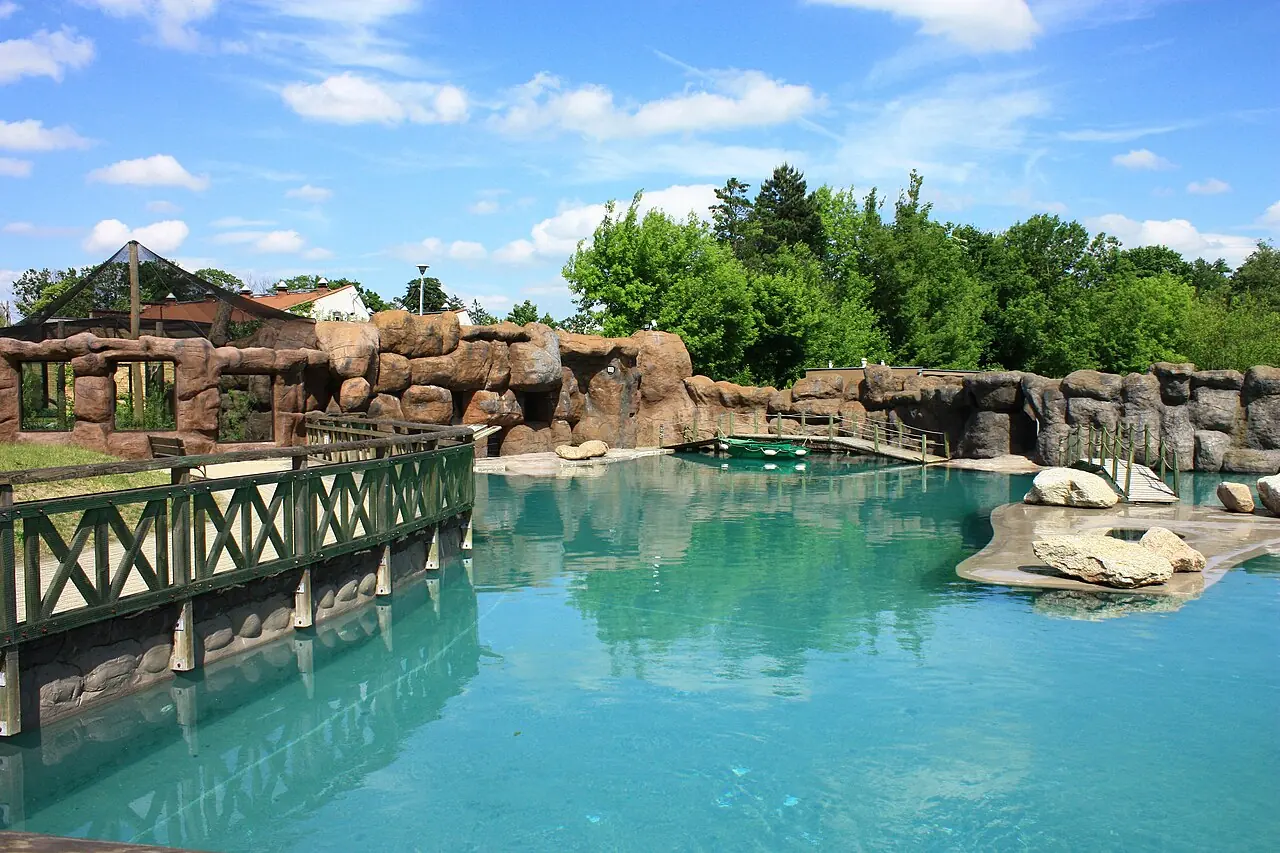 Photo Dawid Galus, CC BY-SA 3.0 pl, Wikimedia Commons

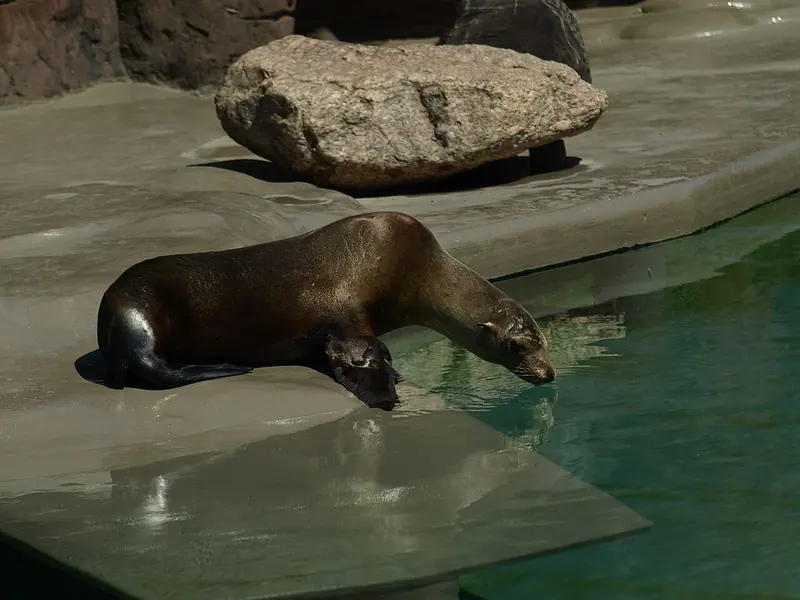 Photo Lcj, CC BY 3.0, Wikimedia Commons1
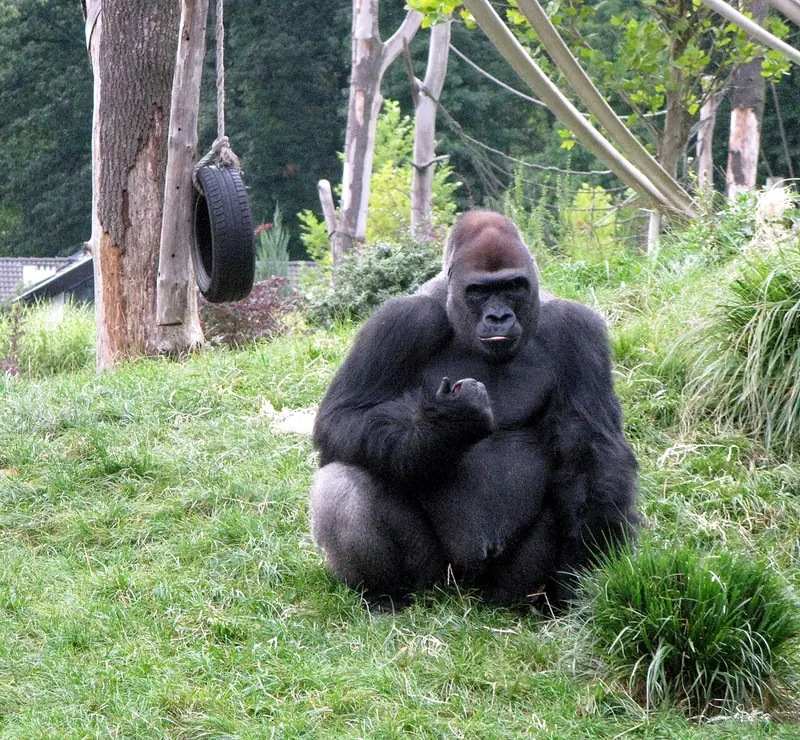 Photo Margoz, CC BY-SA 4.0, Wikimedia Commons
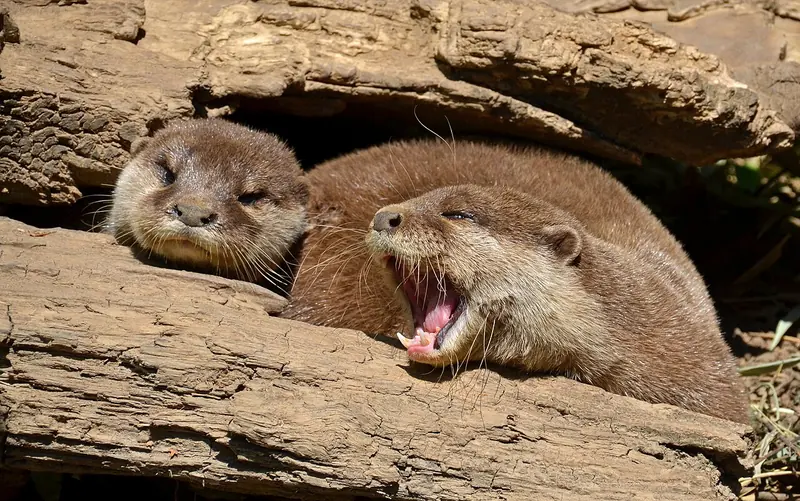 Photo Clément Bardot, CC BY-SA 4.0, Wikimedia Commons
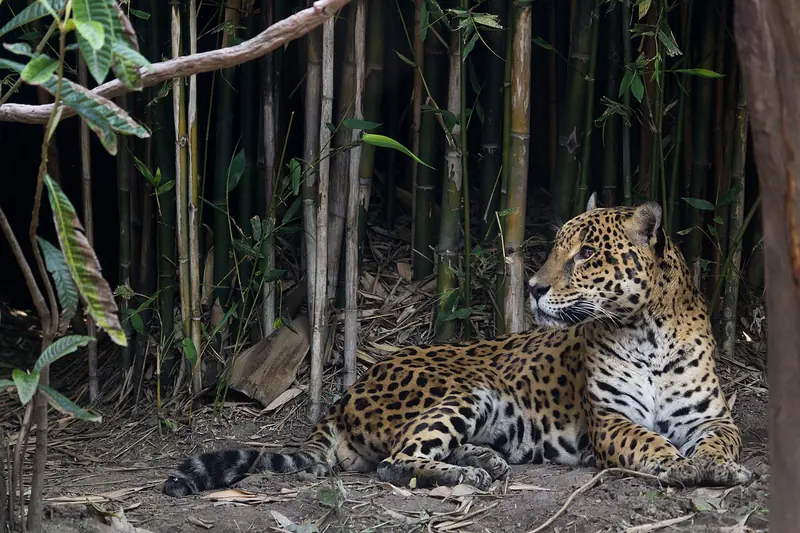 Photo Katie Chan, CC BY-SA 4.0, Wikimedia Commons
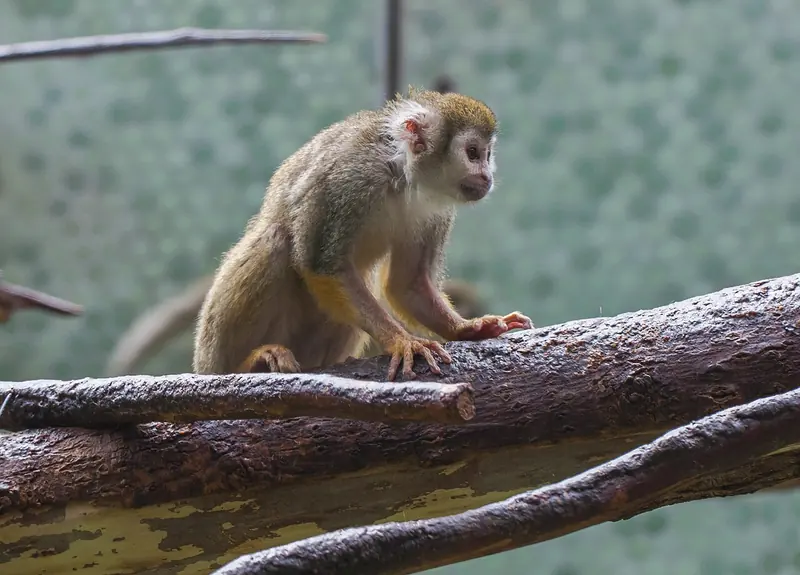 Photo Diego Delso, CC BY-SA 3.0, Wikimedia Commons
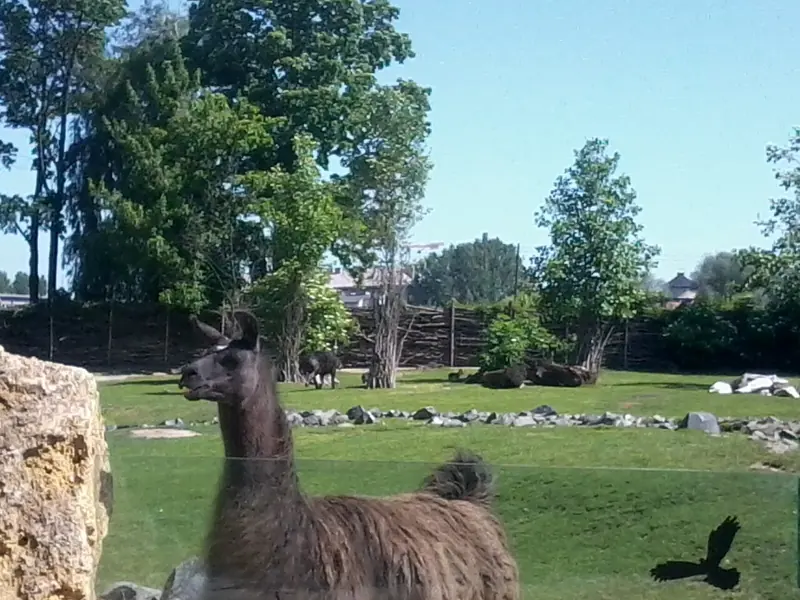 Photo Adaś17, CC BY-SA 4.0, Wikimedia Commons
 Photo Charles J. Sharp, CC BY-SA 4.0, Wikimedia Commons
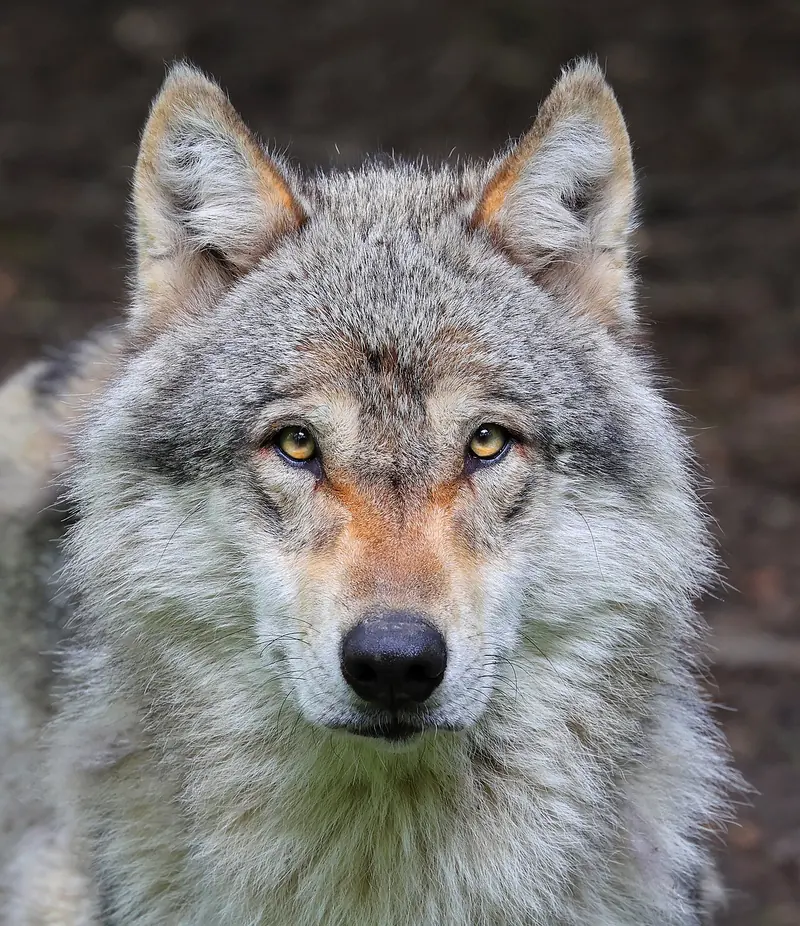 Photo Clément Bardot, CC BY-SA 4.0, Wikimedia Commons
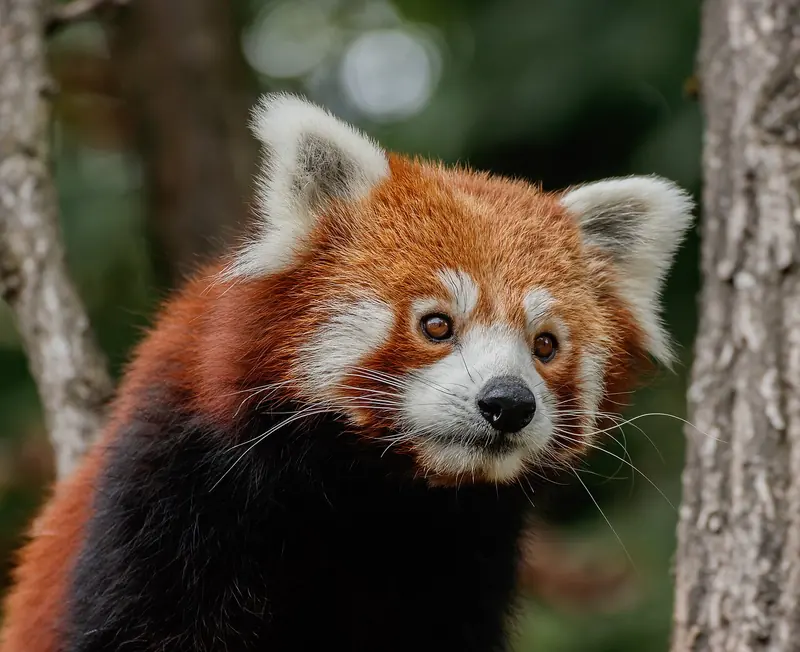 Photo H. Zell, CC BY-SA 3.0, Wikimedia Commons
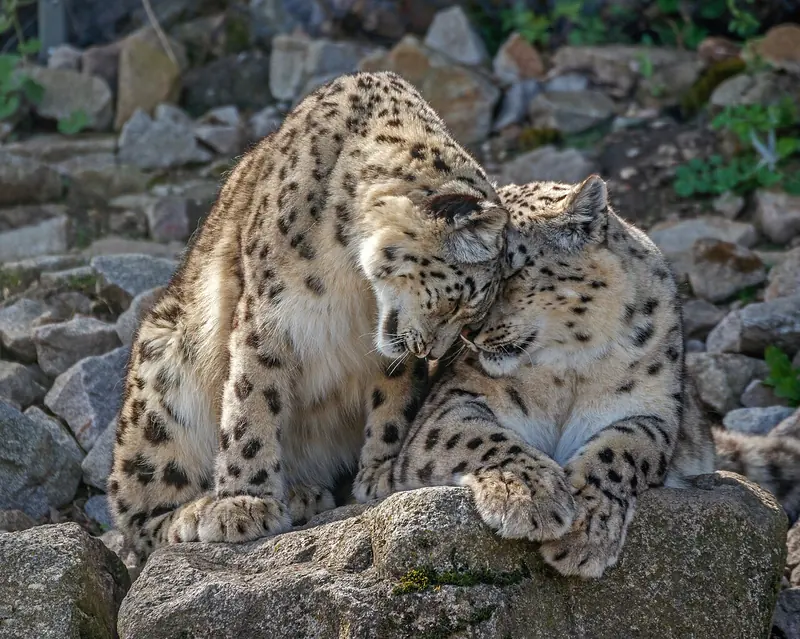 Photo H. Zell, CC BY-SA 3.0, Wikimedia Commons
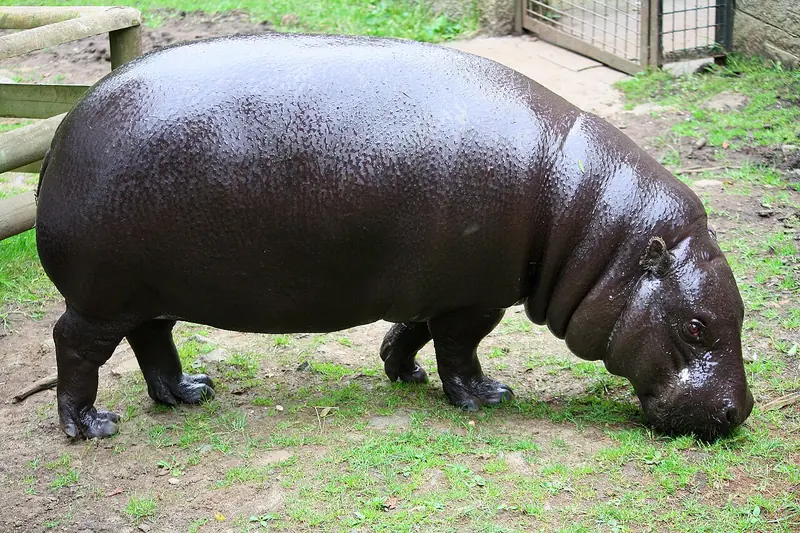 Photo Bardrock, CC BY-SA 3.0, Wikimedia Commons
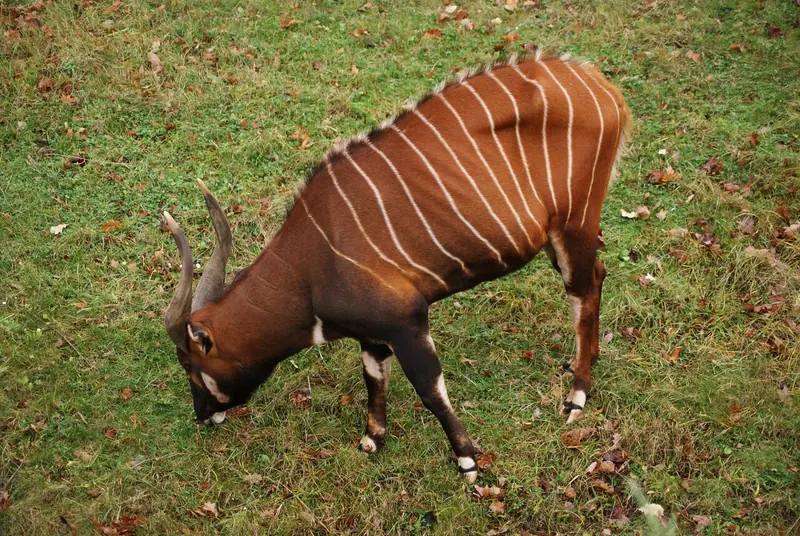 Photo roovuu from Poland, CC BY-SA 2.0, Wikimedia Commons
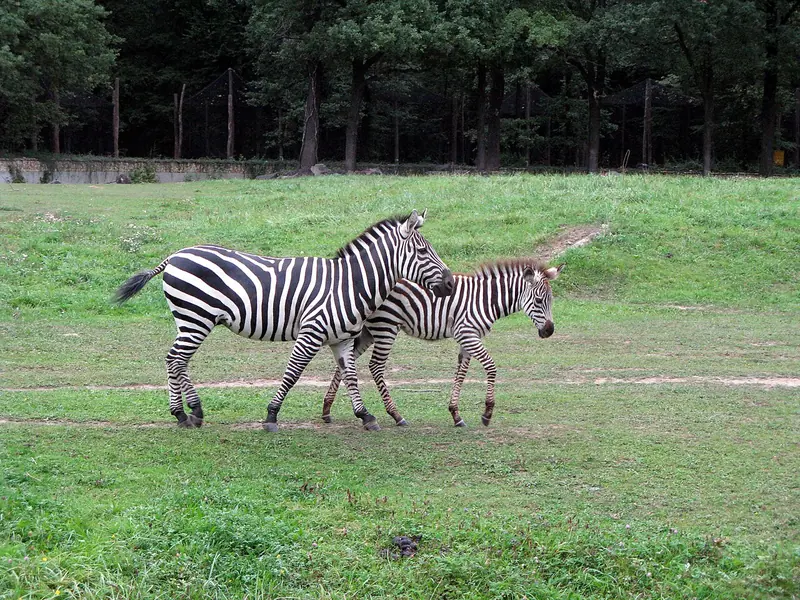 Photo Margoz, CC BY-SA 4.0, Wikimedia Commons
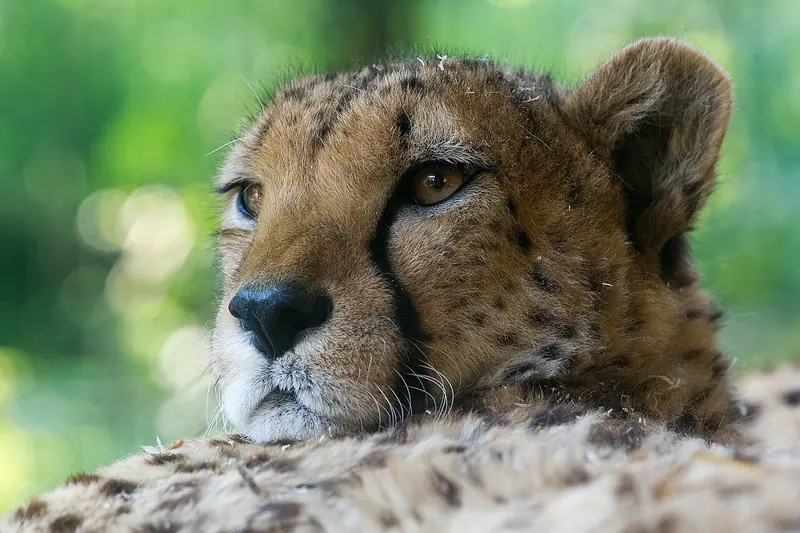 Photo Alexander Leisser, CC BY-SA 4.0, Wikimedia Commons
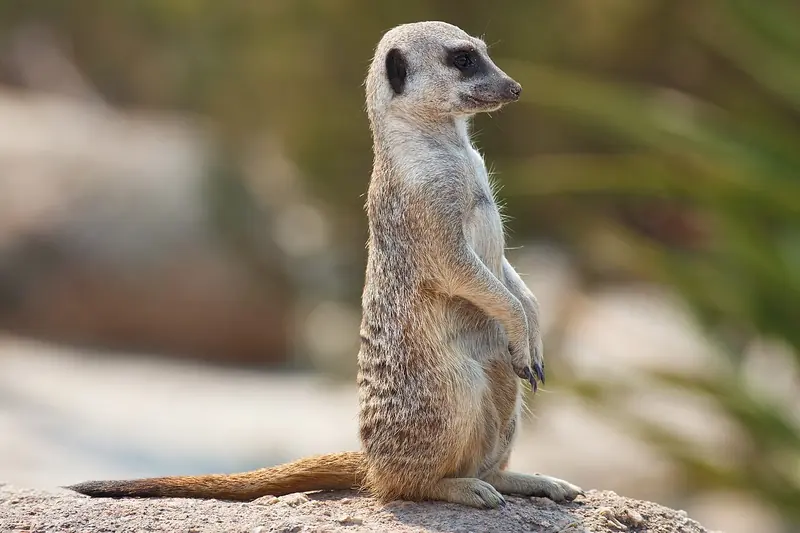 Photo Fir0002, GFDL 1.2, Wikimedia Commons
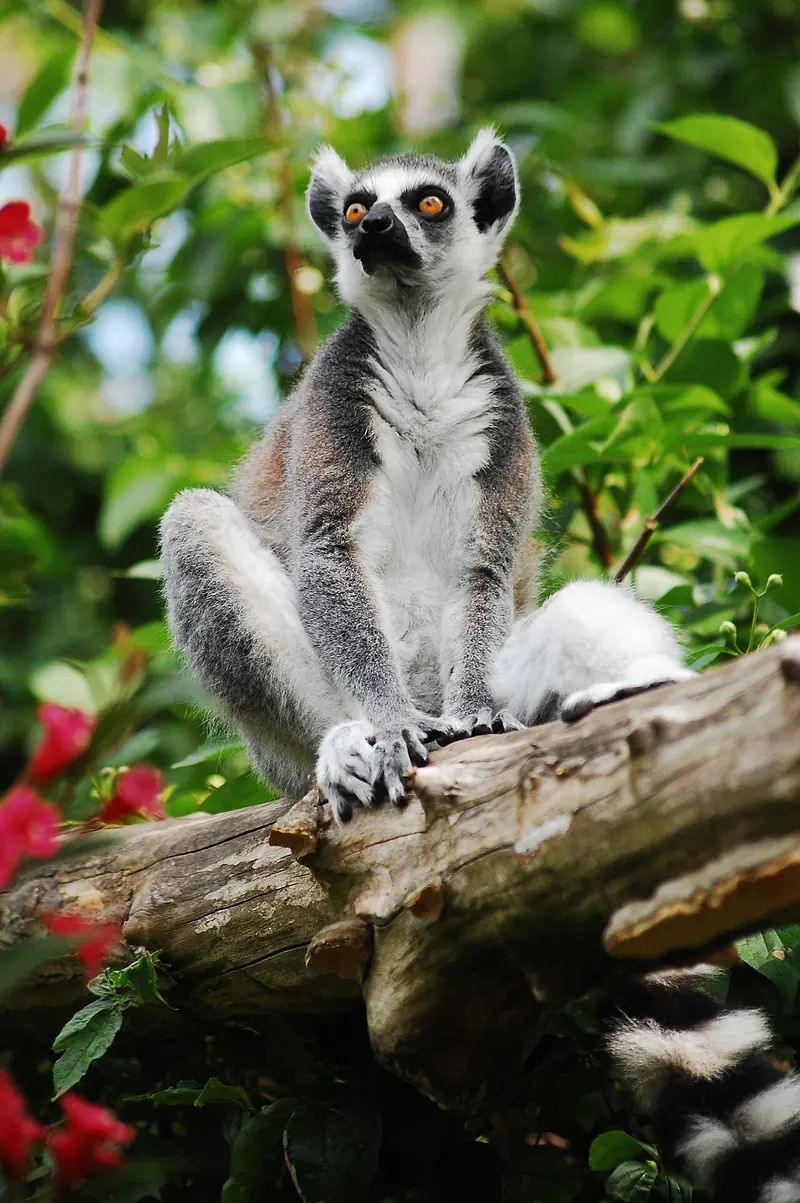 Photo Katrina Swinnley, CC BY-SA 4.0, Wikimedia Commons
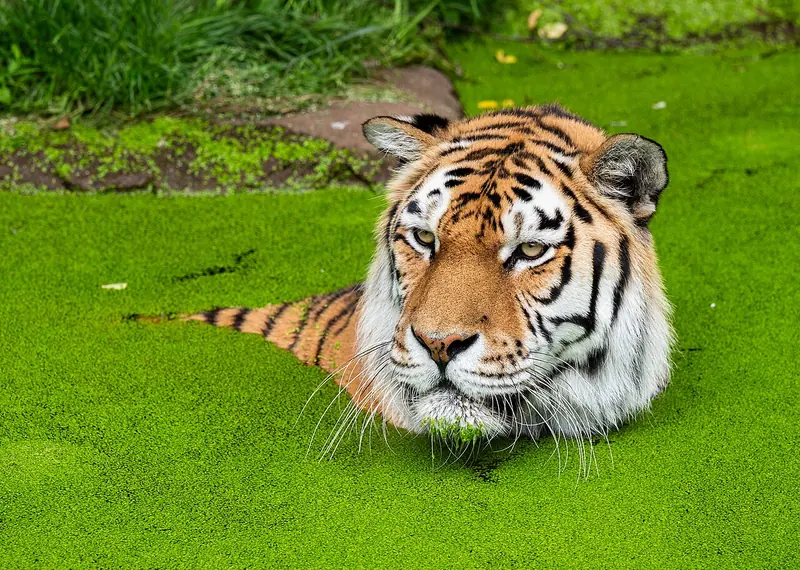 Photo Tuxyso, CC BY-SA 4.0, Wikimedia Commons
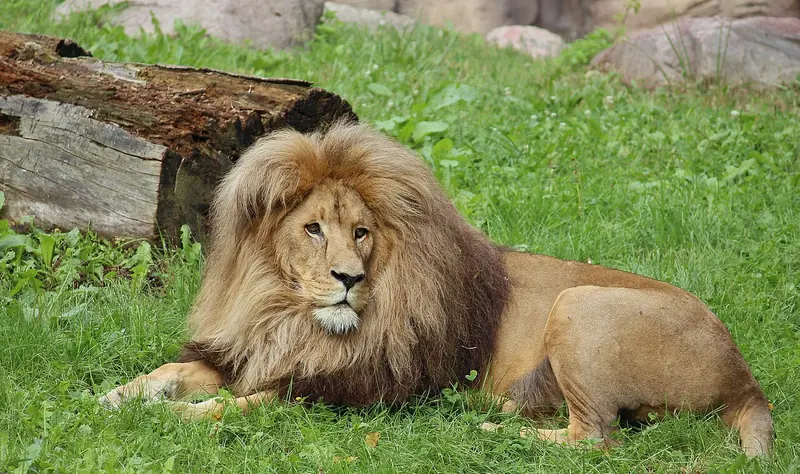 Photo Appaloosa, CC BY-SA 3.0, Wikimedia Commons
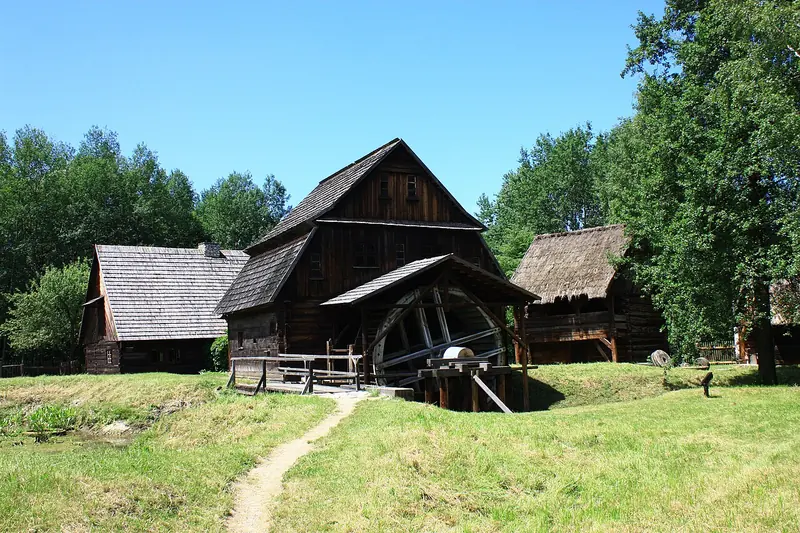 Photo Dawid Galus, CC BY-SA 3.0 pl, Wikimedia Commons
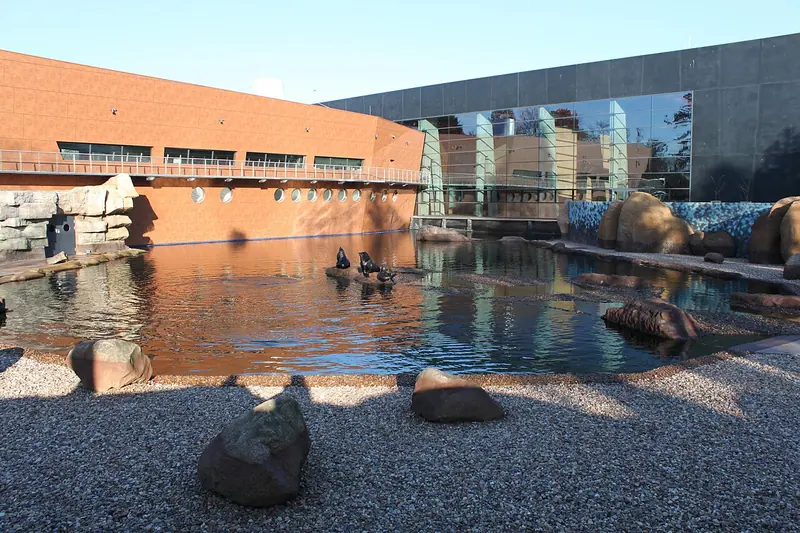 Photo Koroniec, CC BY-SA 4.0, Wikimedia Commons
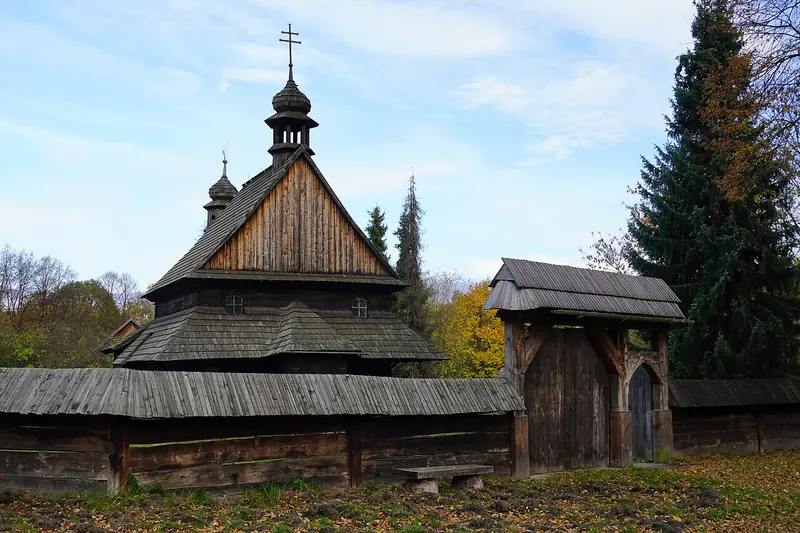 Photo Krzysztof Bulla, CC BY-SA 4.0, Wikimedia Commons