Children's Farm ★An enclosure with farm animals just past the entrance, near the Nocturnal Animals Pavilion. The zoo map shows ponies, goats and camelids here, and the zoo staff also hold meet-the-alpacas sessions. An Education Centre is being built by the entrance, so in 2026 the way to the children's farm may follow a temporary path, and visitors with pushchairs or wheelchairs are directed through the vehicle gate.
Eastern grey kangaroos ★Eastern grey kangaroos come from Australia and, along with the red kangaroo, are among the largest living marsupials: males can weigh as much as 90 kg. Their strong tail helps them keep their balance when running fast and serves as a prop when they stand. The enclosure is in the Australian part of the zoo, not far from the exit; in season the zoo staff talk about the kangaroos here at feeding time.
White rhino ★The white rhino is the largest living rhinoceros and the fourth largest land mammal. Its broad lips let it crop grass close to the ground; this is how it differs from the black rhino in the Giraffe and Rhino Pavilion. The first rhino in the history of Poznań Zoo arrived in 1995. The fourth stop of the free train is by the enclosure.
European bison ★The European bison is Europe's largest land mammal. In the 1920s it disappeared completely from the wild and survived only thanks to captive breeding, and later it returned to nature. The zoo staff point out that bison originally lived in meadows and riverside forests, and it was people who pushed them into the woods. Opposite the bison enclosure is Lodolandia, with ice cream, waffles and hot chocolate.
Small carnivore enclosures ★A row of aviaries and enclosures for small carnivorous mammals in the forest in the northern part of the zoo. Residents include meerkats, caracals, bat-eared foxes, dwarf mongooses and binturongs. Meerkats post a sentry, who warns the group of danger with a call. Some of the caracals came here in 2022, when the zoo was taking in animals evacuated from Ukraine.
Birds of prey and owls ★The New Zoo is famous for its collection of birds of prey and owls, one of the richest in Europe. The aviaries are home to, among others, the Andean condors Judyta and Amadeusz, New World vultures with a wingspan of up to 3.2 m, as well as Steller's sea eagles, snowy owls and tawny owls. On warm days the zoo invites you to watch the condors bathing, and in winter to its evening Owl Nights.
Japanese macaques ★Japanese macaques live further north than any other wild monkeys. In winter they bask on sunny slopes, they love bathing in hot springs, and they are excellent swimmers: they can swim more than half a kilometre. At the New Zoo they have a forest enclosure with rocks in the northern part of the zoo, along the train route.
Lions (Sanctuary for Rescued Animals) ★The lions live in the Sanctuary for Rescued Animals. In March 2022 Poznań Zoo took in lions and tigers, among other animals, evacuated from war-torn Ukraine. The lion is the only cat that lives in organised groups, and dominant males roar to tell strangers that the territory is taken. In season the zoo staff talk about the lions here at feeding time.
Bactrian camels ★Bactrian camels come from the steppes and deserts of Central Asia. They stand about 2 m tall at the shoulder and can weigh over 800 kg. They were among the first animals shown at the New Zoo when it opened in 1974. In season the zoo staff explain by the enclosure how camels cope in places where it seems impossible to survive.
Anteater House ★The Anteater House stands next to the vicuña and camel enclosures. It is home to giant anteaters and tamanduas, or tree anteaters. The giant anteater has no teeth and catches ants and termites with a sticky tongue up to 60 cm long. The tamandua tears open insect nests with its strong front paws. In season the zoo staff talk about the anteaters here at mealtime.
Northern giraffes ★These northern giraffes of the Rothschild subspecies are the tallest residents of the zoo. Since 2021 they have lived in a new pavilion, where from the upstairs mezzanine you can look them straight in the eye, with their enclosure next door. Giraffes eat mainly leaves and branches, and in season the zoo staff talk about them by the enclosure at snack time.
Giraffe and Black Rhino Pavilion ★The two-storey pavilion was built from autumn 2019, and the giraffes moved in in 2021; the black rhinos joined them soon afterwards. From the upstairs mezzanine you can look the giraffes straight in the eye, and on the ground floor there is a visitor corridor with multimedia panels. The building has toilets, including accessible ones, and a Changing Places room; the pavilion is also open in winter.
Elephant House ★The Elephant House opened in 2008 and is one of the largest and most modern in Europe; the outdoor enclosure covers 2.5 ha. The first elephants arrived in March 2009. The African savannah elephants Kizi and Ninio have lived here for years, and in 2026 they were joined by three older females from Zoo Duisburg: Saiwa, Etosha and Daisy. While they settle in (from September 2026) the inside of the building may be closed, and you can then see Kizi and Ninio in the outdoor enclosures.
Brown Bear Sanctuary ★The sanctuary was built together with the Vier Pfoten (Four Paws) foundation on about 3 hectares of forest. The first three bears, Wania, Misza and Borys, arrived in October 2013 from the shelter in Korabiewice, and in 2016 they were joined by others, including female bears from the zoo in Braniewo and Baloo, rescued from a circus. The best place to watch the bears is the terrace, where in season the zoo staff talk about them at mealtime.
Animals of South America ★An enclosure by a pond with residents of South America. Capybaras, the world's largest rodents, live here with Patagonian maras and lowland tapirs, which are excellent swimmers and have a nose stretched into a short trunk. A boardwalk leads to the enclosure, and in season the zoo staff talk about its residents here. Nearby there is also an enclosure for black-handed spider monkeys, monkeys with a prehensile tail.
Flamingos ★Chilean flamingos from South America live on the pond; you can recognise them by the red joints on their greyish-green legs. Flamingos eat with their heads upside down: they use their beaks to filter tiny crustaceans and algae from the water, and they owe the pink colour of their feathers to pigments in their food. The first stop of the free train is by the pond.
Tigers (Siberian Hut) ★By the tiger enclosure stands the wooden Siberian Hut, where in season the zoo staff talk about these cats, often at feeding time. Siberian, or Amur, tigers have lived in Poznań for years: they are the largest tiger subspecies, living in the wild in the Russian Far East and along the border with China. In 2022 the zoo also took in tigers evacuated from Ukraine.
Red pandas ★The red panda lives in the mountain forests of the Himalayas and China. It has rusty fur, white cheeks and a bushy tail with darker rings, and it rests in tree hollows and up in the trees. The species is endangered. Next to the red panda enclosure live king colobuses, black and white monkeys from Africa, and you can get here from the ponds.
Nocturnal Animals Pavilion ★Opened in 1995, this pavilion was the first of its kind in Poland. It is home to animals that are active at night, including vampire bats, so once you go in, wait a moment for your eyes to get used to the half-light. By the building there are aviaries for three species of lemurs, and in season the zoo staff talk about the lemurs there at feeding time.
Oriental storksThe Oriental stork nests in south-eastern Siberia and north-eastern China and spends the winter mainly in southern China. It is endangered: in Japan and Korea it died out in the second half of the 20th century because of hunting and habitat destruction. The easiest way to tell it apart from our white stork is its black beak.
EmusThe emu is Australia's largest bird and the second largest in the world, after the ostrich. It cannot fly, but it runs at up to 50 km/h. Once the chicks hatch, the male looks after them, while the female goes off to find another partner. The emus live in the Australian part of the zoo, next to the kangaroos and cassowaries.
Visayan warty pigsVisayan warty pigs come from a few islands of the Philippines and are critically endangered, because they have been wiped out across almost all of their former range. Adults have a mane on the head and back, which in the mating season falls over the males' eyes, and the piglets are born striped. A boar usually weighs 35-40 kg, much less than our wild boar. The enclosure is in the Philippines part of the zoo.
Prince Alfred's deer and Bawean deerTwo rare deer species from the islands of Asia. Prince Alfred's deer, or the Philippine spotted deer, is one of three deer species found only in the Philippines; the New Zoo has bred it successfully since 2003, and at the start of 2016 the fortieth fawn was born here. The Bawean deer lives in the wild only on the Indonesian island of Bawean and is critically endangered.
CassowariesThe southern cassowary is a large flightless bird from New Guinea and north-eastern Australia. It wears a bony casque on its head and has bright blue and red flaps of bare skin on its neck. It lives alone, and the male incubates the eggs. It is one of the endangered species the zoo lists among its residents; the enclosure is close to the Bistro Miś.
Père David's deerPère David's deer, or the milu, comes from China. It was wiped out in the wild long ago and survived only in the imperial hunting park near Beijing; later it reached zoos in Europe, and today it lives in the wild in China again. It owes its name to the French missionary Armand David, who described it for science in the 19th century.
Eurasian otterThe Eurasian otter also lives in Polish rivers and lakes, but it is hard to spot in the wild. It is a superb swimmer and diver, and underwater it closes its small round ears. It feeds mainly on fish. Otters have been back on view at the New Zoo since December 2015, after a break of several years; the enclosure is next to the white rhinos.
Small Mammal PavilionThe pavilion of small mammals, mainly rodents, stands in the forest by the carnivore aviaries. Residents include harvest mice, some of the smallest animals in the zoo: they weigh from 4 to 11 grams. Harvest mice climb grass stems by wrapping their prehensile tails around them, and they weave nests of grass shaped like little balls hanging above the ground.
LynxesThe Eurasian lynx is the largest of the lynxes and one of Europe's largest predators. The tufts of stiff black hair on its ears help it hear better. The lynx enclosure, opened on 2 April 2013, is a piece of real forest, so take a moment to search for the cat among the trees.
Water birds on the pondsThere are six large ponds in the New Zoo with a total area of over 13 hectares; they are a natural habitat for wild birds. The zoo map shows pelicans on the middle pond: the pouch under a great white pelican's beak can hold as much as 13 litres of water. By the ponds there is a viewing platform, and by the largest pond the third stop of the train.
Wood bisonThe wood bison is a subspecies of bison from the forests of northern North America, from Alaska to Canada, and a relative of our European bison. Males weigh over 900 kg, making it the heaviest land animal on that continent. It differs from the plains bison in its darker coat and larger horns. In Canada it is on the list of species at risk.
GemsbokThe gemsbok lives in the dry grasslands and deserts of south-western Africa. Both sexes have straight horns that grow to 120-150 cm. It can go without water for several days, and it knows how to find it by digging in a dry riverbed. On the zoo map the gemsbok live next to the elephants.
European ground squirrelsThe European ground squirrel is a small rodent of dry meadows, pastures and sunny hillocks. It disappeared from Poland in the early 1970s, and since 2005 it has been reintroduced in the Opole region and Lower Silesia. The ground squirrel enclosures are by the second train stop, in a very sunny part of the zoo, so in summer bring water and a hat.
Black rhinosThe black rhinos live in the Giraffe and Rhino Pavilion and in the enclosure next to it. They have a long, prehensile upper lip that they use to pluck leaves and twigs, instead of grazing on grass like the white rhino. The species is critically endangered. In season the zoo staff talk about them by the enclosure at feeding time.
South American coatisSouth American coatis are relatives of raccoons from the forests of South America. They have a long, mobile nose that they use to rummage through the leaf litter for food, and a long tail with darker rings. They live in groups of up to 30 animals. The enclosure is by the path between the Animals of South America and the Brown Bear Sanctuary.
TakinsTakins are large, stocky hoofed animals from the mountains of the eastern Himalayas and China. In December 2014 two subspecies arrived in Poznań from Berlin: the Tibetan takin and the golden takin. They have thick fur, a massive, humped muzzle and horns that curve out to the sides. You can reach their enclosure from the small carnivore aviaries or from the red panda enclosure.
Nilgai antelopesThe nilgai is Asia's largest antelope and comes from India and the neighbouring countries of South Asia. Its name means blue cow, because adult males have bluish-grey coats, while females and young are fawn brown. The nilgai is the only living species in its genus. The enclosure is in the forest in the northern part of the zoo, next to the lynxes.
Sable antelopesSable antelopes live in the wooded savannahs of the southern half of Africa. Mature males are almost black, with a white belly and white markings on the face, while females are chestnut or dark brown. Both sexes have long horns curving backwards, in males more than one and a half metres long. At the New Zoo they live in a forest enclosure, where Thomson's gazelles used to be.
Sitatungas and Abyssinian ground hornbillsSitatungas are antelopes from African swamps: their long, narrow hooves do not sink into the soft ground, and when in danger a sitatunga escapes into the water and submerges right up to its nostrils. In the same part of the zoo, the map shows Abyssinian ground hornbills, large black birds from Africa that feed mainly on the ground; the species is vulnerable.
Rhinoceros hornbillsThe rhinoceros hornbill lives in the lowland tropical forests of the Malay Peninsula, Sumatra and Borneo. Its plumage is almost entirely black, and it has a large pale beak topped with a casque. It feeds mainly on large fruit, sometimes eating insects and other small animals, and it nests in a tree hollow. The species is vulnerable.
Vietnamese sika deerThe Vietnamese sika deer is a subspecies of sika deer from the forests of northern Vietnam and possibly southern China. It may already be extinct in the wild, so its future depends on breeding in zoos. In summer it has a reddish coat with white spots. During the summer holidays the zoo staff talk about the sika deer by their enclosure.
FoxesThis enclosure is home to foxes rescued from fur farms; by the enclosure the zoo staff explain why such animals cannot return to the wild. The zoo map marks the Arctic fox here, a species from the far North whose coat in winter can be snow-white or steel-blue. Arctic foxes were first farmed in North America in 1897.
Bearded vulture aviaryThe bearded vulture is an Old World vulture that feeds mainly on bones. It disappeared from many of Europe's mountains, and it has returned to the Alps and the Pyrenees partly thanks to breeding in zoos. During the bearded vultures' breeding season the free train bypasses their aviary so as not to disturb the birds, and in September the zoo invites visitors here for Bearded Vulture Day.
Animals of AfricaA large enclosure with residents of the African savannah in the south-western part of the zoo, not far from the flamingo pond. The zoo map shows ostriches, Grévy's zebras and wildebeest here. Grévy's zebra is the largest of the zebras: it has the narrowest stripes, a white belly and large, rounded ears. Ostriches are the world's largest birds; they cannot fly, but they are superb runners.

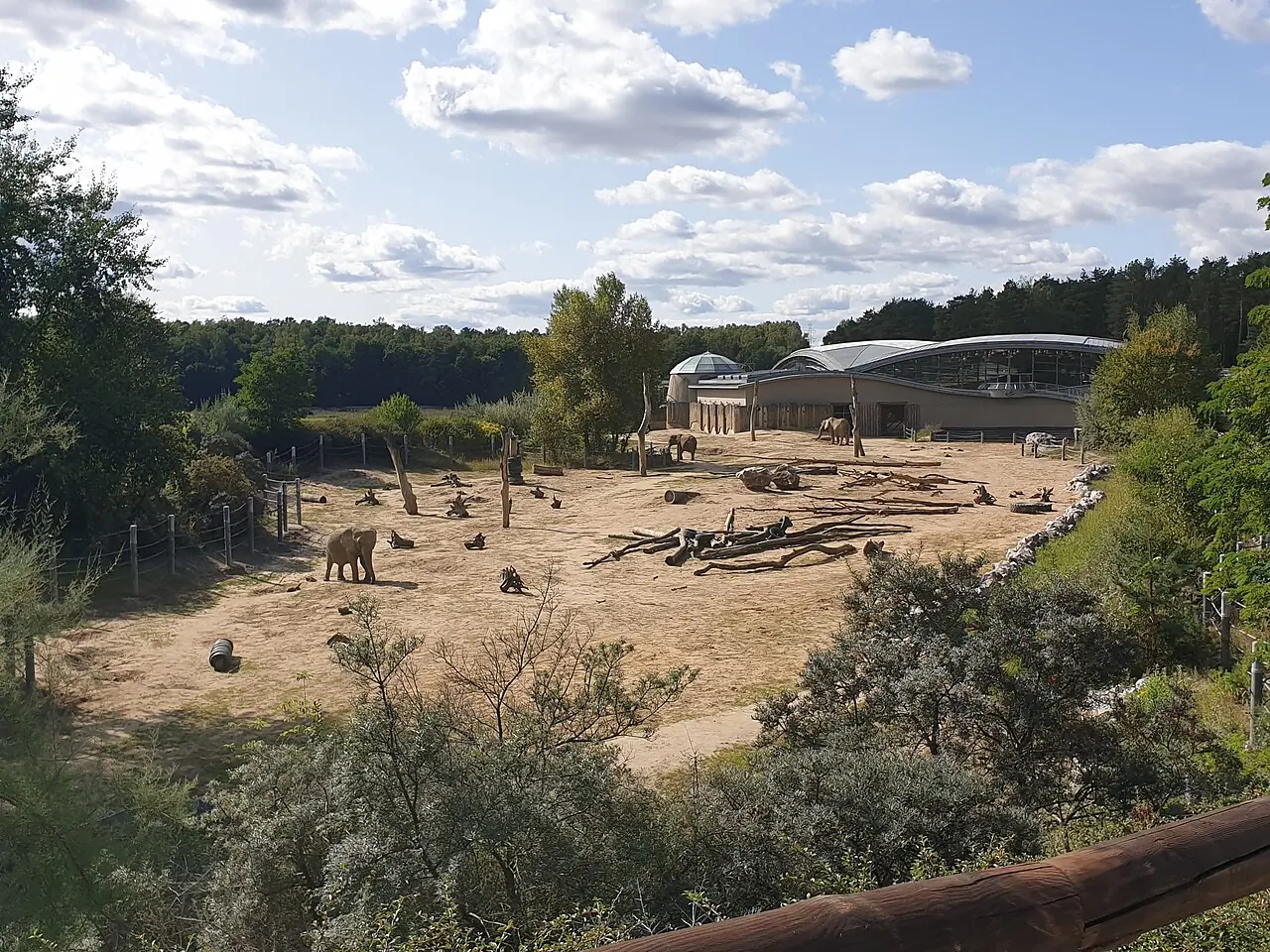 Photo Mateusz Giełczyński, CC BY-SA 4.0, Wikimedia Commons

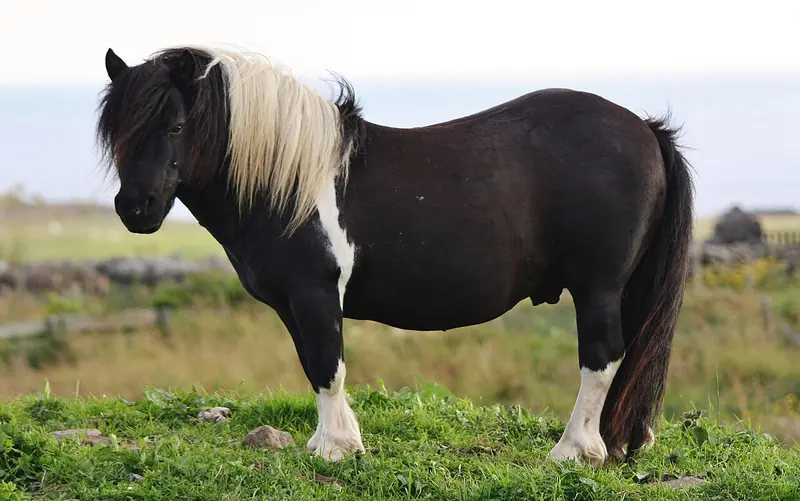 Photo Ronnie Robertson, CC BY-SA 2.0, Wikimedia Commons1
 Photo Bialo-zielony, CC BY-SA 4.0, Wikimedia Commons
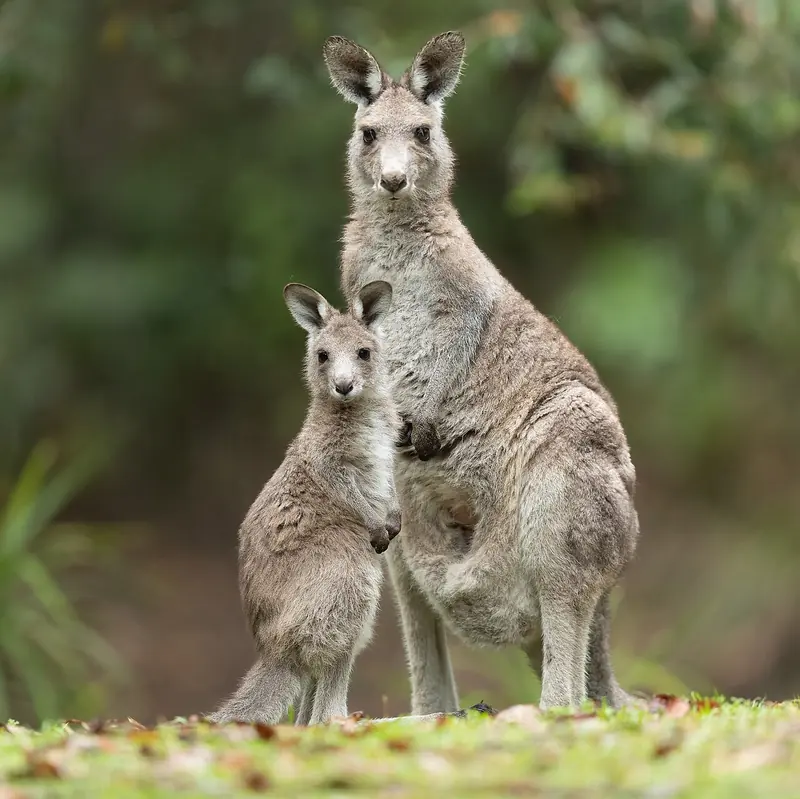 Photo JJ Harrison ( https://www.jjharrison.com.au/ ), CC BY-SA 4.0, Wikimedia Commons
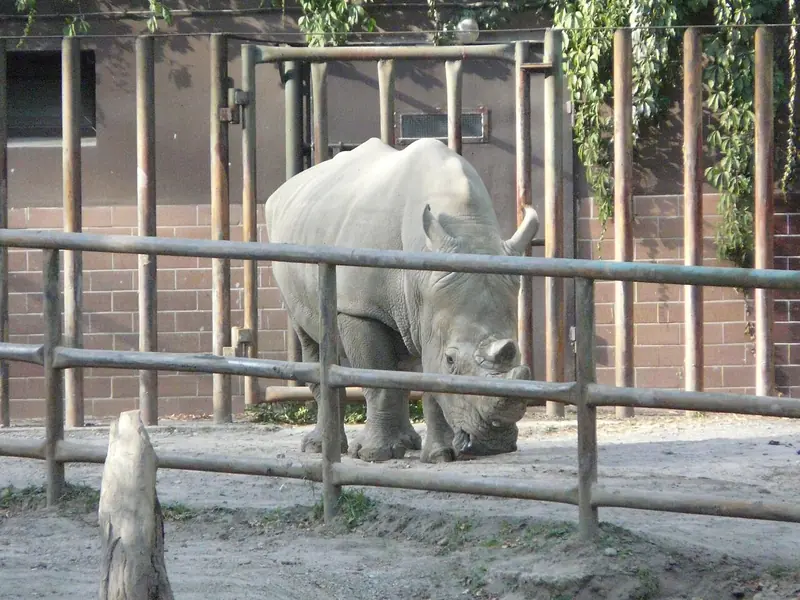 Photo Patinowik, CC BY-SA 4.0, Wikimedia Commons
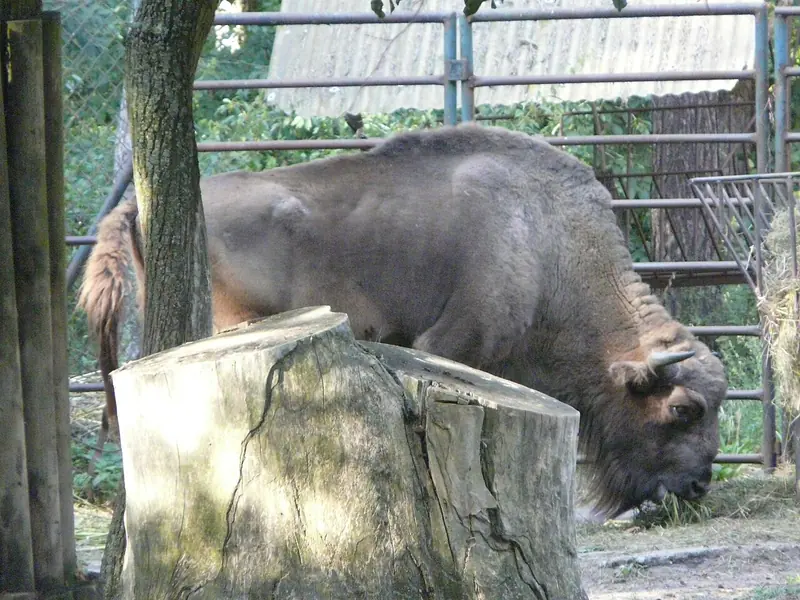 Photo Patinowik, CC BY-SA 4.0, Wikimedia Commons
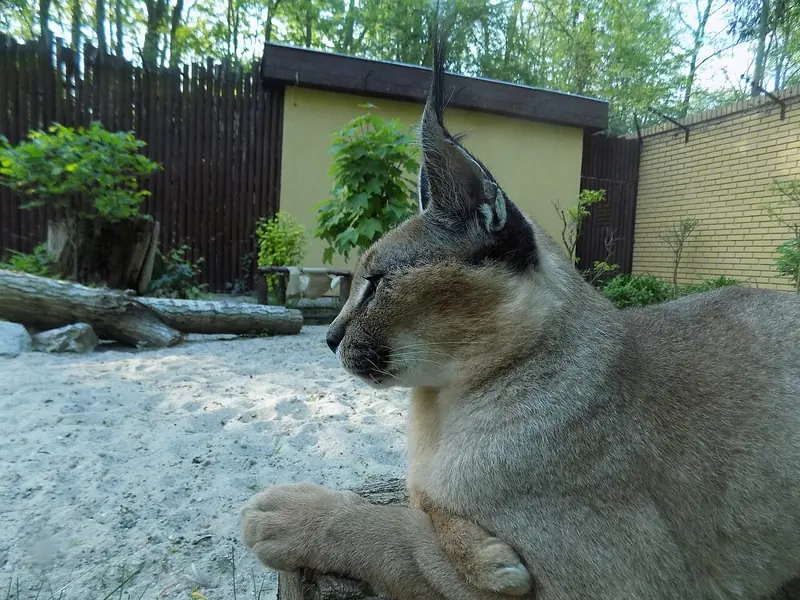 Photo Koefbac, CC BY-SA 4.0, Wikimedia Commons
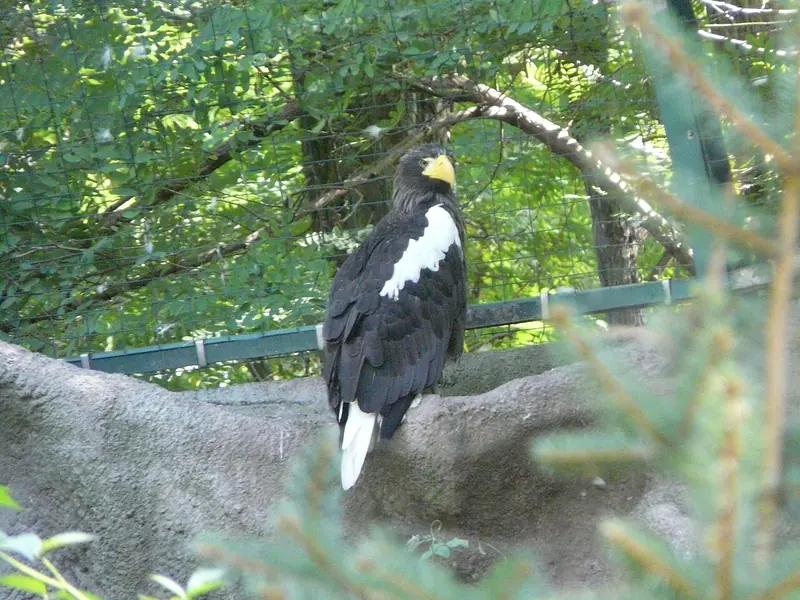 Photo Patinowik, CC BY-SA 4.0, Wikimedia Commons
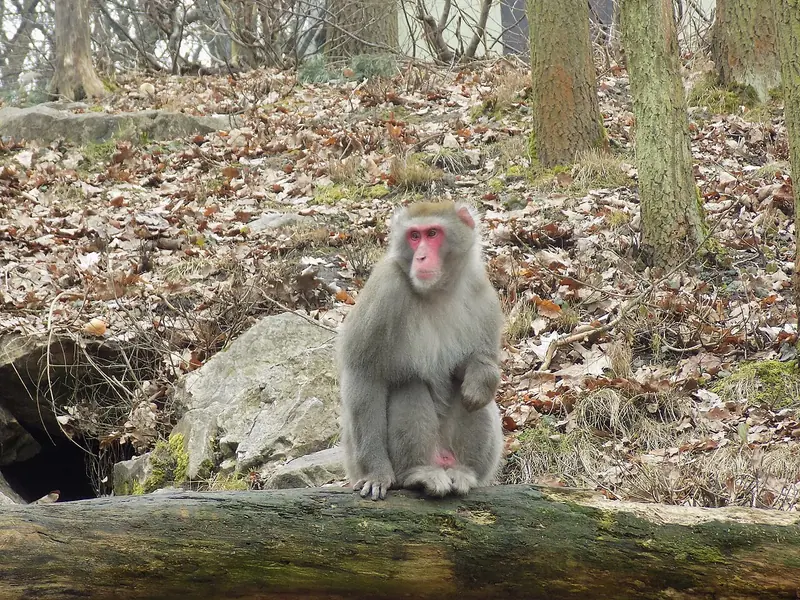 Photo Koefbac, CC BY-SA 4.0, Wikimedia Commons
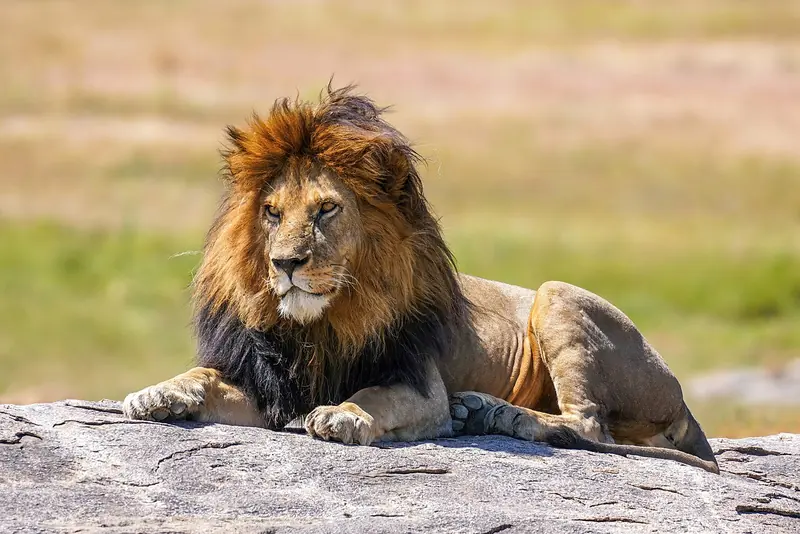 Photo Giles Laurent, CC BY-SA 4.0, Wikimedia Commons
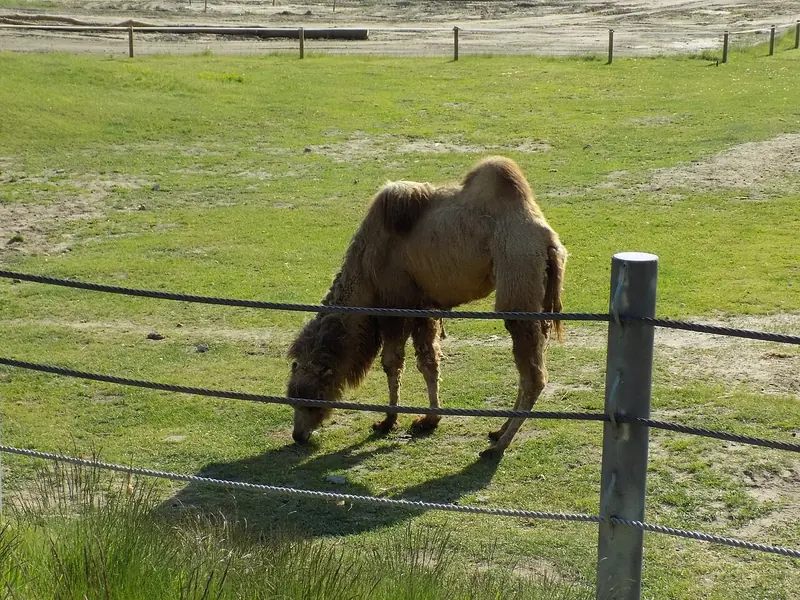 Photo Koefbac, CC BY-SA 4.0, Wikimedia Commons
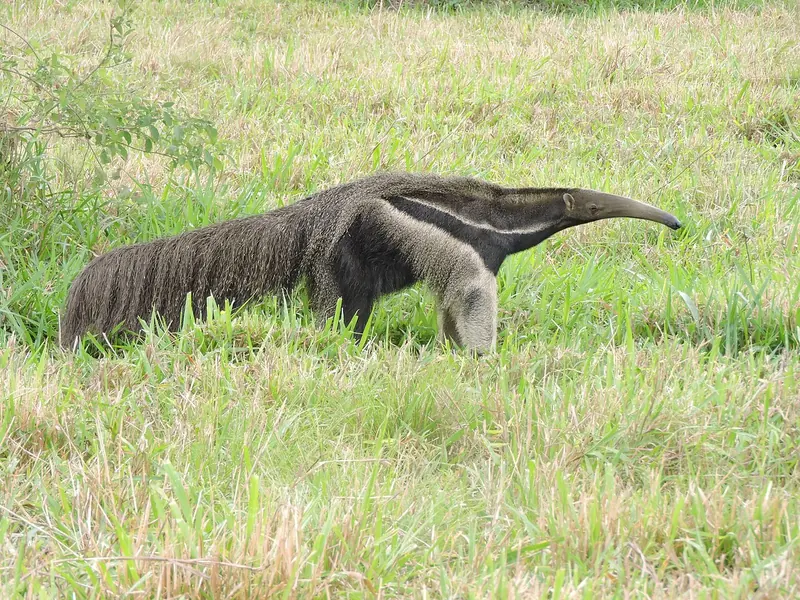 Photo Larissa Vaccarini Ávila, CC BY 4.0, Wikimedia Commons
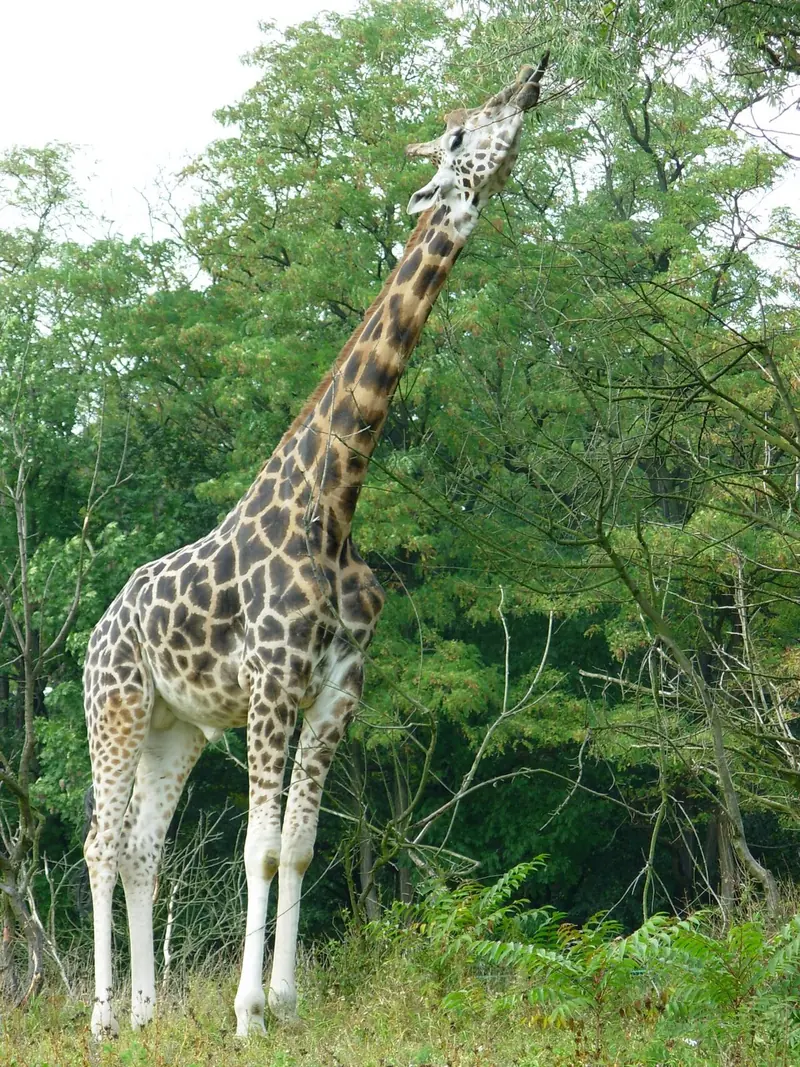 Photo Kwolana, CC BY-SA 4.0, Wikimedia Commons
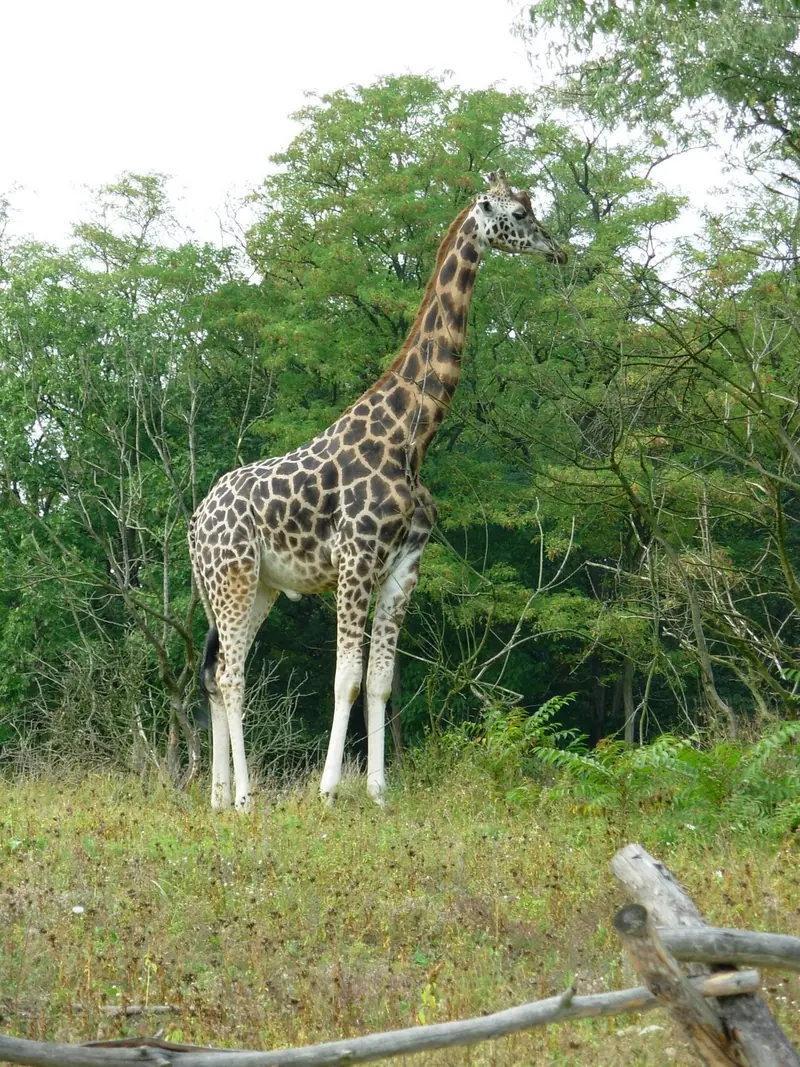 Photo Kwolana, CC BY-SA 4.0, Wikimedia Commons
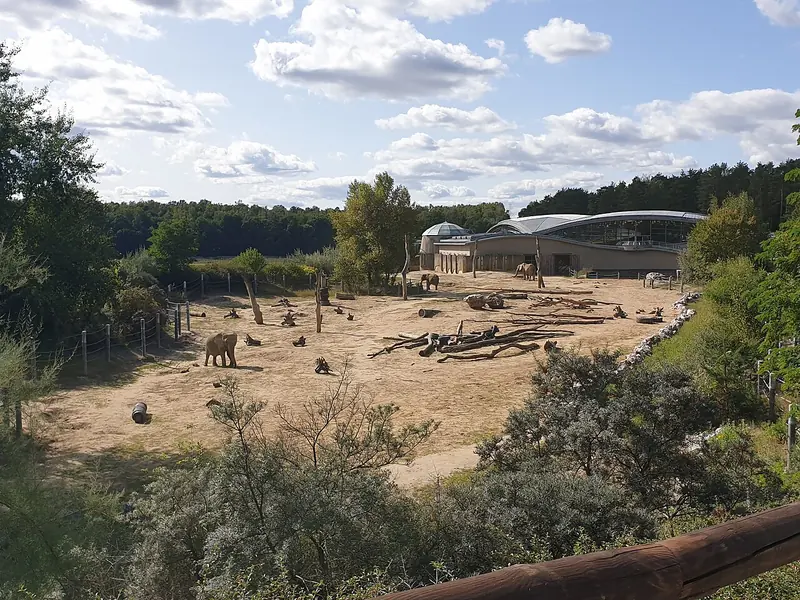 Photo Mateusz Giełczyński, CC BY-SA 4.0, Wikimedia Commons
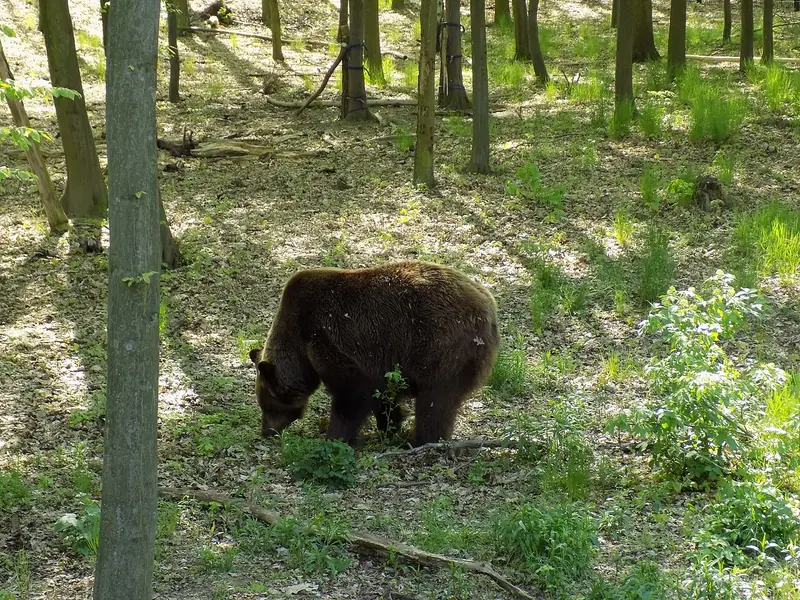 Photo Koefbac, CC BY-SA 4.0, Wikimedia Commons
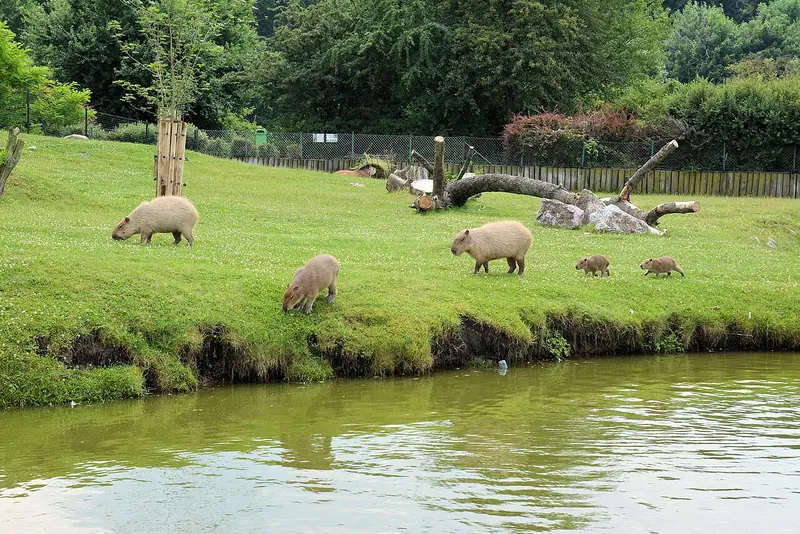 Photo Kapitel, CC0, Wikimedia Commons
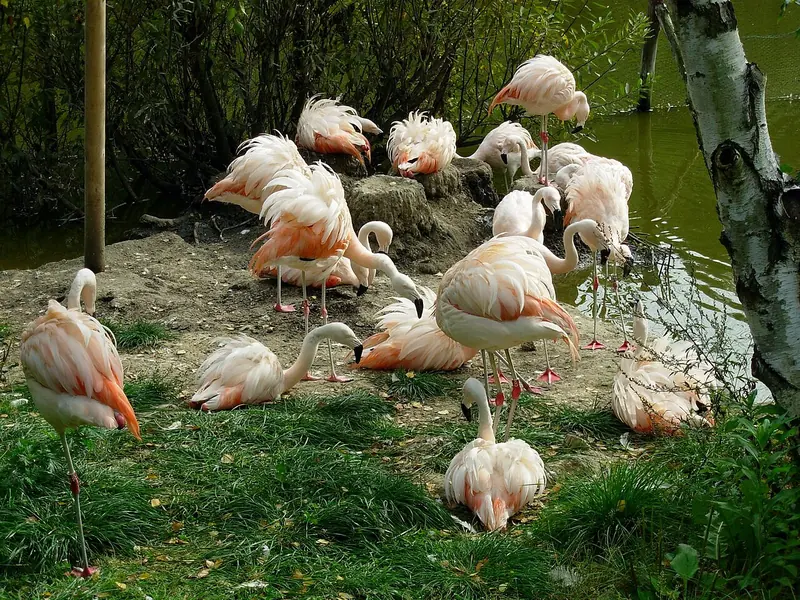 Photo Kwolana, CC BY-SA 4.0, Wikimedia Commons
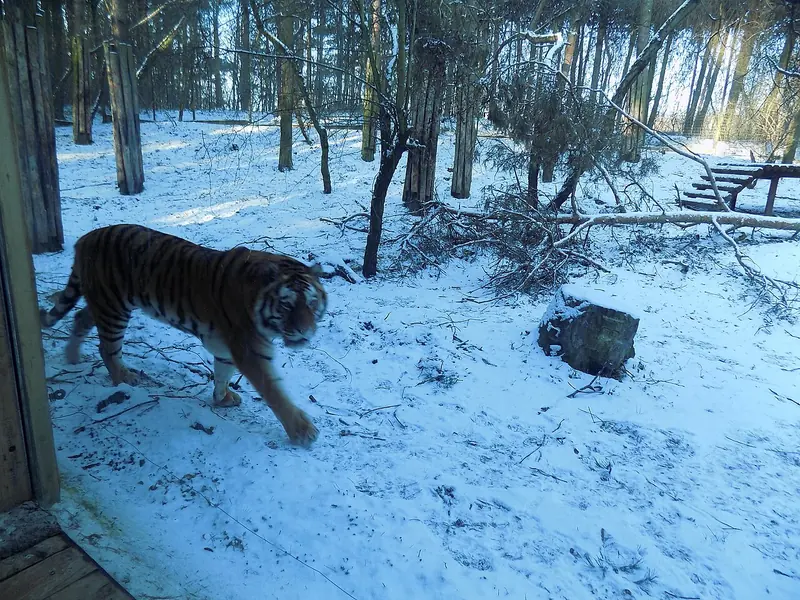 Photo Koefbac, CC BY-SA 4.0, Wikimedia Commons
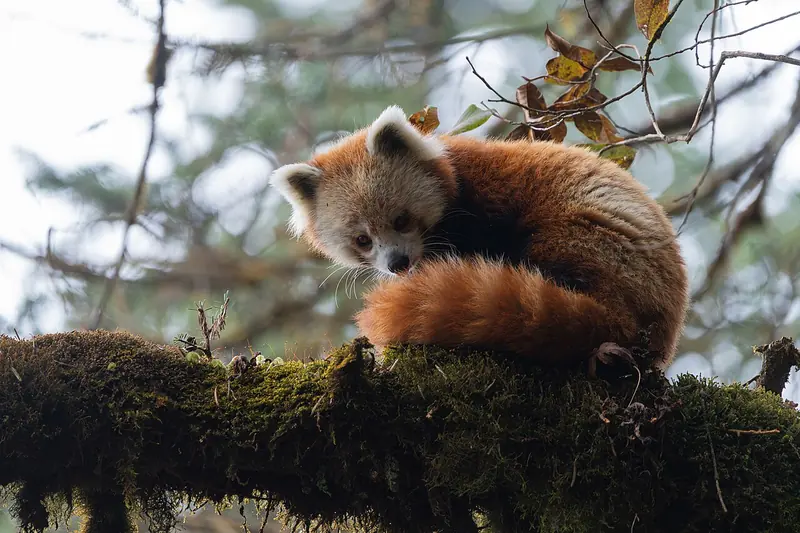 Photo Sunuwargr, CC BY-SA 4.0, Wikimedia Commons
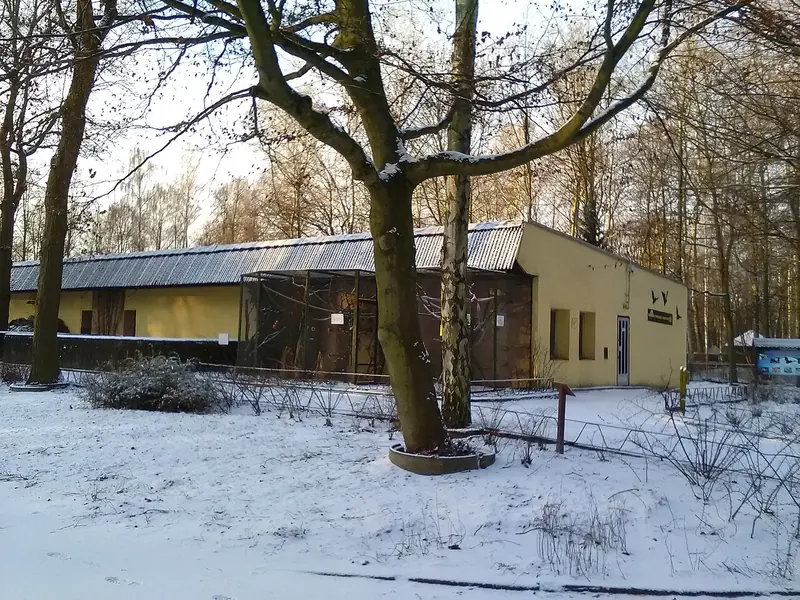 Photo Koefbac, CC BY-SA 4.0, Wikimedia Commons
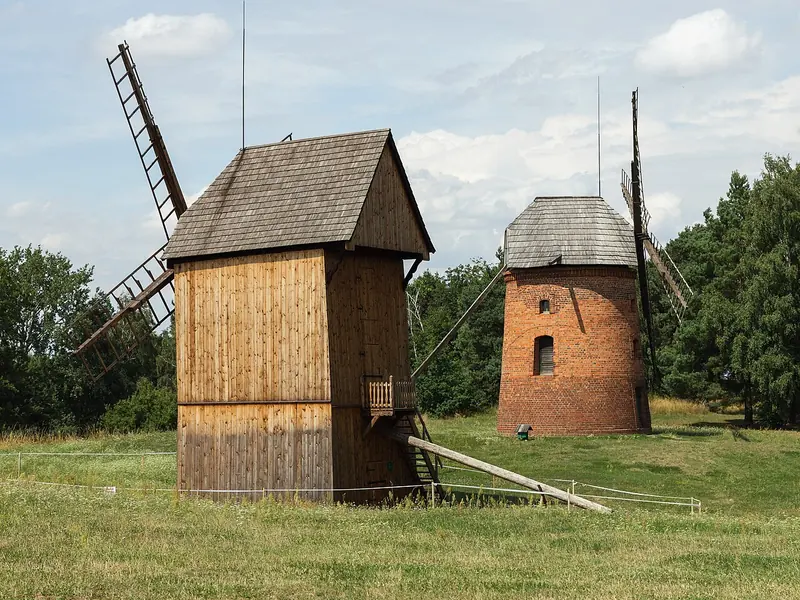 Photo Łukasz Bakuła, CC BY-SA 4.0, Wikimedia Commons
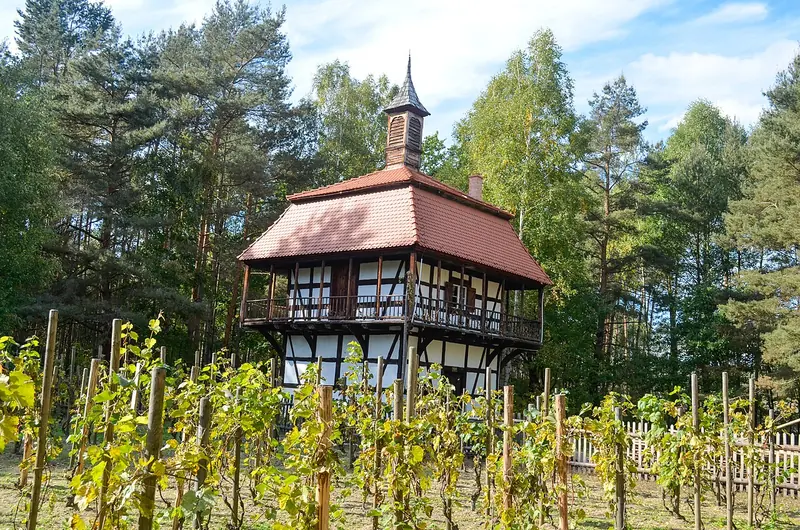 Photo Asiasmok, CC BY-SA 3.0 pl, Wikimedia Commons
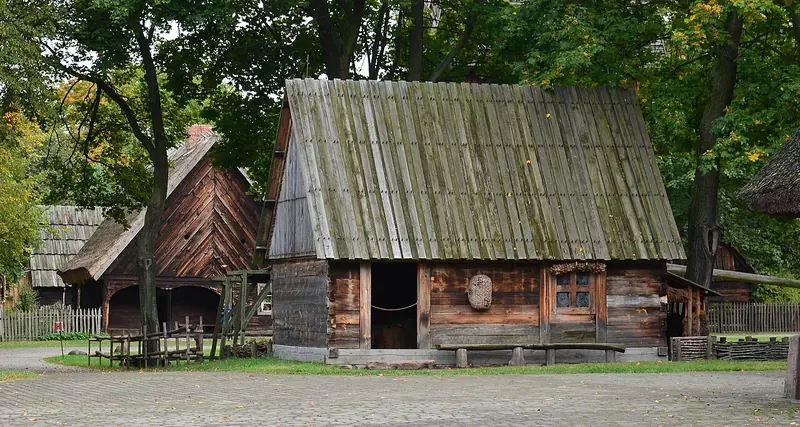 Photo 1bumer, CC BY-SA 4.0, Wikimedia Commons