Polish flora collection ★About a thousand plants from all over Poland grow on 2.5 hectares here, including 136 strictly protected species, almost half of all such species in the country. They are planted by habitat: forest, dune and salt marsh, meadow, wetland and mountain. Look for species that are gone or almost gone from the wild, such as the hill pink or the marsh gladiolus, known from only two sites in Lower Silesia. In early spring snowdrops and snowflakes bloom here.
Mountain plants: the Tatras, Pieniny and Bieszczady ★This stony garden opened in 2003: the vegetation of the Tatras, the Pieniny and the Bieszczady was recreated on man-made hills. A red-marked trail leads up to the summits, just like in real mountains. Here grow edelweiss and mountain avens, a plant left over from the Ice Age, as well as the Pieniny wallflower, which grows wild only in the Pieniny. Below the Pieniny part a patch of heathland was added in 2019.
Arboretum and magnolias ★The arboretum is a collection of trees and shrubs: conifers, magnolias, rhododendrons and heath plants, spread along winding paths in the northern part of the garden. It is most beautiful in spring, when the magnolias bloom, and in autumn, when the leaves change colour. Azaleas and rhododendrons line the diagonal avenue, and in season an open-air exhibition stands along it.
National Rose Collection ★The rose collection was started in 1998 and became a national collection in 2008. About a thousand varieties grow on about a hectare: old historic roses with a strong scent, David Austin English roses, park and ground-cover roses, and Polish varieties such as ‘Chopin’ and ‘Kutno’. Since 2018 there has also been a test garden where about 100 new roses are trialled every year. They bloom from May until the first frosts.
Asian plants and the Reiwa Sakura Teien cherries ★The youngest collection, of Asian plants, has been planted since 2019. Its heart is the Reiwa Sakura Teien cherry garden: 50 Japanese ornamental cherries of various species and varieties, including weeping ones. The first tree was planted in April 2019 by the Ambassador of Japan, and that summer Prince Akishino and Princess Kiko planted another. The blossom is best seen in spring from the lawn, which you are allowed to walk on.
Perennial garden and pondsClose to 790 species and varieties of perennials, plants that grow back from the same roots every year, cover 1.3 hectares here. Hostas are the largest group, about 80 varieties on the shady terraces. Water runs down a rocky hill into two small ponds with water lilies. In them grows water clover, an aquatic fern with leaves like a four-leaf clover, which no longer grows wild in Poland. Nearby are collections of lilies and peonies.
Rhododendrons and azaleasOn the eastern edge of the garden, by the Janówek villa, grow rhododendrons and azaleas. The whole collection of these shrubs has about 400 species and varieties: 121 wild species, 171 evergreen azalea varieties and 130 azalea varieties. It is most beautiful in May, when they bloom pink, purple, white and orange.
EricariumThe Ericarium is a collection of heath family plants from North America, Asia and Europe: about 120 species and varieties on the edge of the arboretum, between the Warsaw Escarpment and a ravine. Here grow pieris, bell-flowered enkianthus with flowers like tiny bells, and zenobia, a shrub with flowers resembling lily of the valley. In spring the swamp azalea with white star-shaped flowers fills the air with scent.
Useful plants and old apple treesThis part grows vegetables, medicinal and culinary herbs, and fruit trees. A special feature is the collection of almost 700 old apple varieties such as ‘Kosztela’, ‘Papierówka’ and ‘Złota Reneta’; some were known as far back as the Middle Ages. There are also 98 Siewers apple trees grown from seeds collected in the mountains of Kazakhstan: the main ancestor of the apples we eat today.

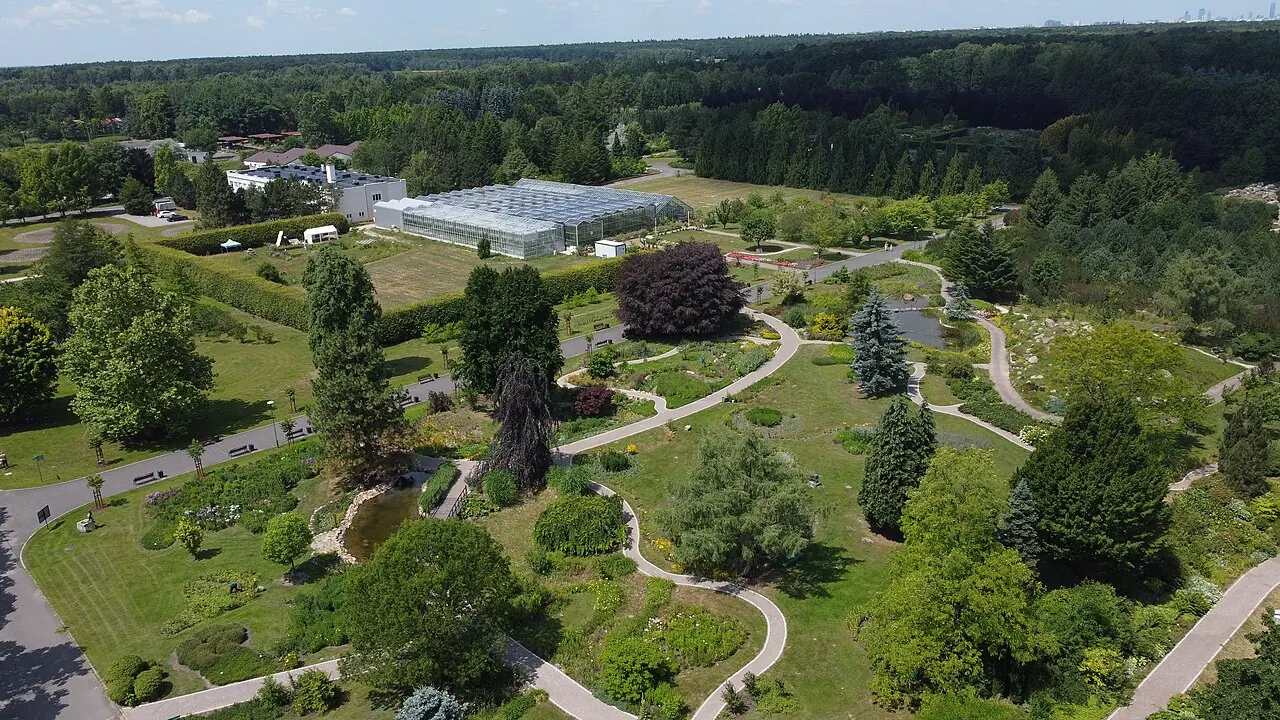 Photo DMatieu, CC BY-SA 4.0, Wikimedia Commons

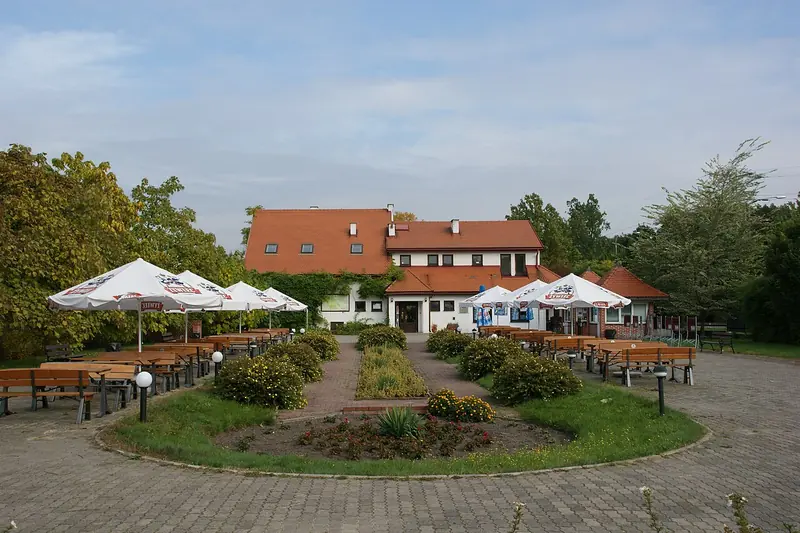 Photo Janusz W-wa, CC BY-SA 3.0, Wikimedia Commons1
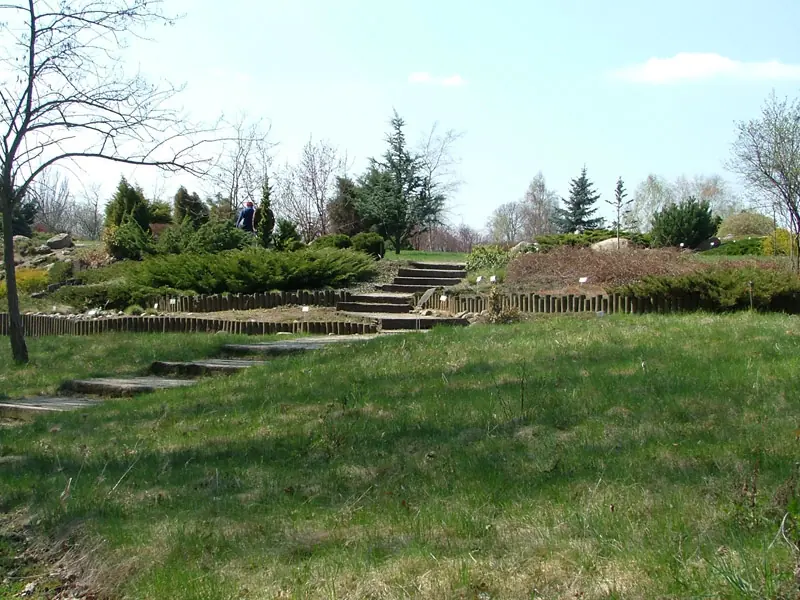 Photo Alina Zienowicz Ala z, CC BY-SA 3.0, Wikimedia Commons
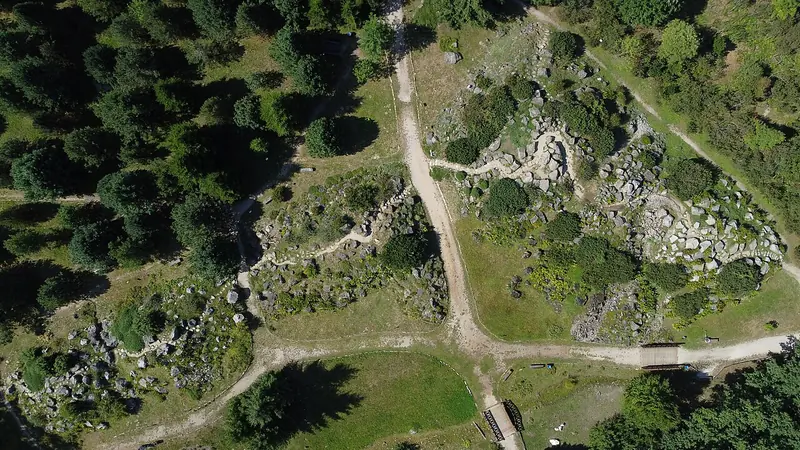 Photo DMatieu, CC BY-SA 4.0, Wikimedia Commons
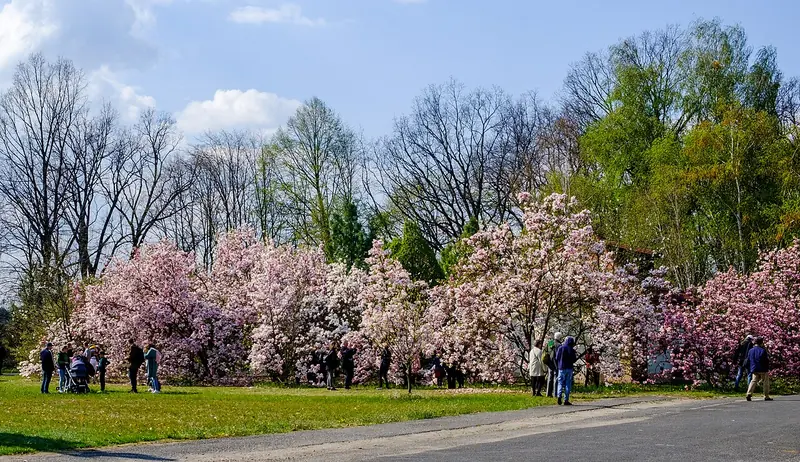 Photo Jarosław Deluga, CC BY-SA 4.0, Wikimedia Commons
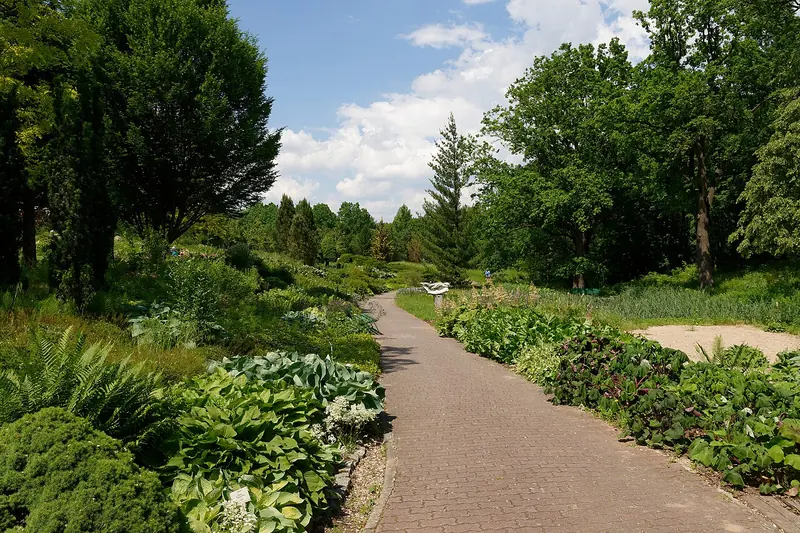 Photo Jarosław Deluga, CC BY-SA 4.0, Wikimedia Commons
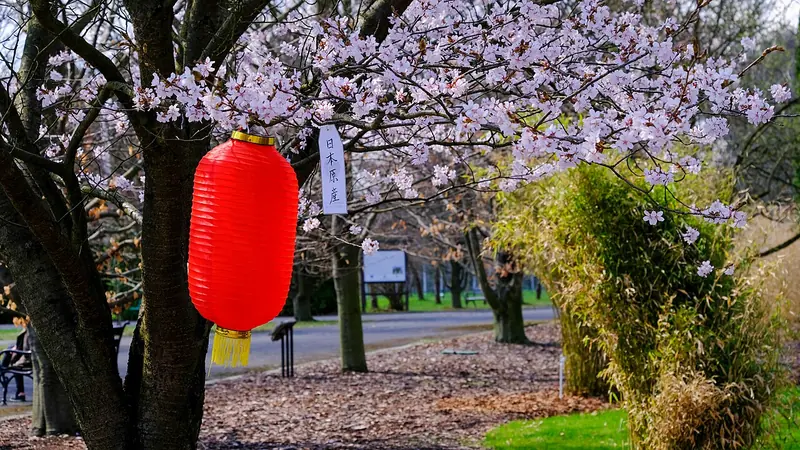 Photo Jarosław Deluga, CC BY-SA 4.0, Wikimedia Commons
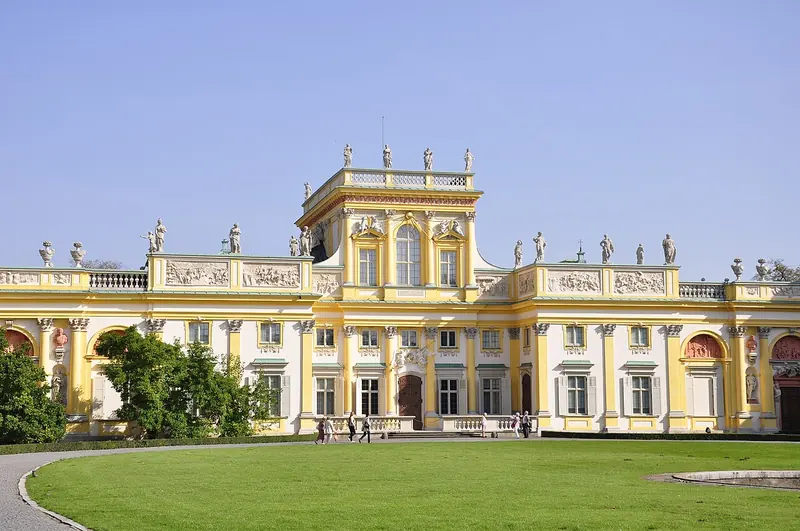 Photo Wistula, CC BY 3.0, Wikimedia Commons
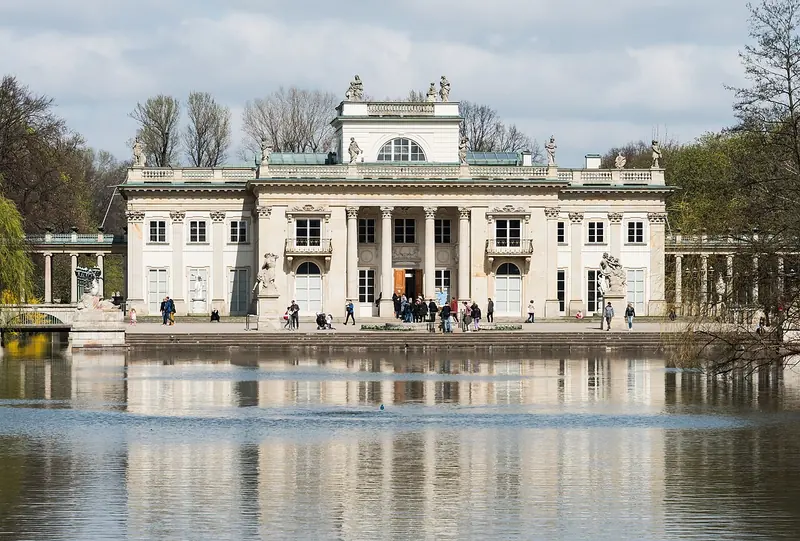 Photo Adrian Grycuk, CC BY 3.0 pl, Wikimedia Commons
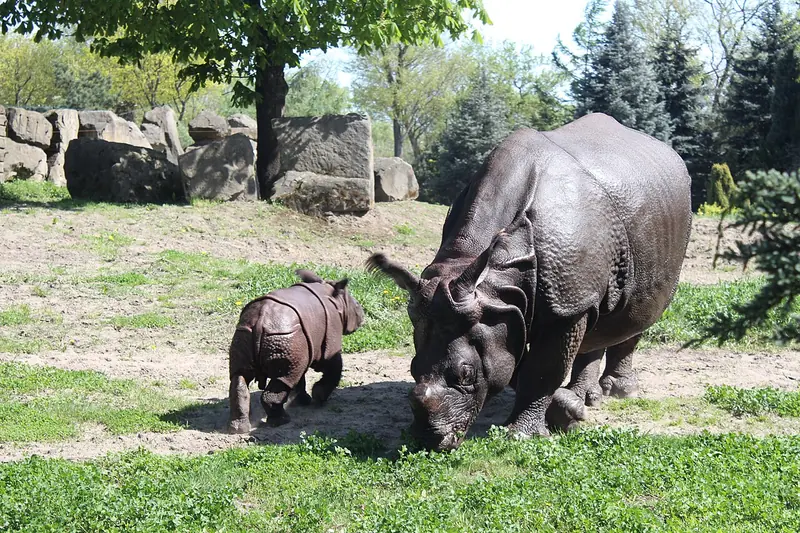 Photo Przemek P, CC BY-SA 3.0, Wikimedia Commons