Gorilla enclosure ★Western lowland gorillas are the largest primates in Africa, and they are plant-eaters. The group is led by the silverback Azizi, who came from Zurich in 2008; in May 2025 the females N’Hasa and N’Iralé joined him. In the wild gorillas are critically endangered. Feeding demonstration every day at 1 pm.
Aquarium ★A historic pavilion from 1928, originally built for birds and reptiles; its glass roof survives from the old structure. Today it houses a collection of marine and freshwater fish, including piranhas, freshwater stingrays and corals with clownfish, the ‘Nemo’ fish. There are piranha feeding demonstrations on Mondays, Wednesdays and Fridays.
Chilean flamingo ★Flamingos actually have white feathers and owe their pink colour to carotenoids in their food; at the zoo they are given special food enriched with these pigments. The flock includes Pinky and Róża. The enclosure is to be joined to the neighbouring pond to form the ‘Karmazynowa Laguna’ (Crimson Lagoon), which visitors will be able to walk through.
Polar bear ★The polar bear enclosure, with two pools, is on the main avenue not far from the seals. The bears Gregor and Aleut came to Warsaw in 2014. The polar bear is the largest land predator and an excellent swimmer. The zoo is preparing to build a new, much larger enclosure with pools, which visitors will be able to watch through glass from the main avenue.
Grey seal ★The grey seal is the largest seal living in the Polish Baltic, and it is a protected species. Adult males are more than 2 metres long. It swims and dives superbly underwater, but on land it moves clumsily, shuffling along on its belly. The zoo's first seal pool was built before the war, under director Jan Żabiński.
Red panda ★Red pandas come from the mountain forests of the Himalayas and southern China. They feed mainly on bamboo leaves and spend most of the day in trees, and they wrap their long, bushy, ringed tails around themselves to sleep. Look for them high up in the branches.
Red kangaroo ★The red kangaroo is one of the largest kangaroos in the world, an excellent boxer that can leap as far as 9 metres. A newborn joey is the size of a bean and crawls into the pouch on its own, and a mother can feed young of different ages at the same time, each with milk of a different composition. The kangaroos Sydney and Robbie live at the zoo.
Bird House ★A pavilion opened at the end of 1998, with a free-flight hall where exotic birds fly freely among the visitors; its residents include a Victoria crowned pigeon and keas. In one of the aviaries the sloths Paavo and Amy hang upside down, and another is home to Arnold, a shy mouse-deer, one of the smallest hoofed mammals in the world, about the size of a rabbit.
Chimpanzee enclosure ★Chimpanzees are our closest relatives: they use tools and learn from one another. Lucy, a female in the Warsaw group, loves imitating people most of all, and her passion is painting; auctions of her paintings have raised money to help save gorillas in Africa. Feeding demonstration every day at 11 am.
Great ape house ★The pavilion opened on 26 September 2008. Western lowland gorillas live in one part and chimpanzees in the other; both species have indoor enclosures and outdoor ones surrounded by water. There are feeding demonstrations here every day all year round: chimpanzees at 11 am and gorillas at 1 pm.
Elephant enclosure ★The outdoor enclosure of the African elephants Leon, Fryderyka and Buba. Elephants can eat almost 200 kg of food a day, and an adult male can weigh more than 6 tonnes. Buba is gentle and careful, while Fryderyka, as the keepers say, is a real ‘elephant tank’.
Elephant House ★The Elephant House opened in 2003; it covers 6,000 m² and is one of the most modern in Europe. It is home to the African elephants Leon, Fryderyka and Buba, and rock hyraxes live in a separate part of the building. Next to the herd stands a full-size, 3D-printed skeleton of Erna, the female elephant who led the Warsaw herd from 2009 to 2020.
Indian rhinoceros ★The Indian rhino enclosure has a pool. Two females with different personalities live here: calm Jhansi and fiery Shikari, for years the partner of Jhansi's son Jacob. The Indian rhino's skin lies in thick folds that look like armour, and the species now needs special protection.
White-tailed eagle ★The white-tailed eagle is the largest bird of prey that nests in Poland. Adults have a white tail, a pale head and a powerful yellow bill. They hunt mainly fish and waterbirds, are also happy to eat carrion, and build their nests at the tops of huge trees.
Ring-tailed lemur ★Ring-tailed lemurs come from Madagascar and are easy to recognise by their tails with black and white rings, which they hold up high like a flag as they walk. In the morning they like to sunbathe with their arms spread out. In summer, from mid-June to the end of August, there is a lemur feeding demonstration every day at 1.30 pm.
Great white pelican ★Pelicans have a large, stretchy skin pouch under their bill, which they use to catch fish like a net. They often hunt in groups, herding a shoal into shallow water. In the breeding season their white feathers take on a pink tinge. In the wild they live in Africa, Asia and south-eastern Europe.
African penguins ★The new penguin house opened on 9 June 2026 on the site of the old exhibit; the year-round pool has a curved glass wall through which you can watch the penguins underwater. African penguins come from the coasts of southern Africa, prefer warmth to frost, and each one has a unique pattern of spots on its chest. Feeding demonstrations every day at 9.30 am and 2 pm.
Cheetah ★The cheetah is the fastest land mammal, and in a short sprint it can catch antelopes on the savannahs of Africa. On 31 May 2026 the zoo opened an enlarged cheetah enclosure: the new part is twice the size of the old one and has new viewing windows and heated artificial rocks. The extension was funded by the PANDA Foundation.
European bison ★The European bison is the largest land mammal in Europe. At the beginning of the 20th century it died out in the wild and was saved thanks to a few dozen animals in zoos, and today it lives in Polish forests once again. In autumn 1939 the Germans took the Warsaw bison away to Munich.
Hartmann's mountain zebra ★Hartmann's zebra is a subspecies of the mountain zebra from the dry, rocky mountains of Namibia and Angola, and it copes superbly on steep slopes. You can tell it apart from savannah zebras by its white belly without stripes and the dense crosswise stripes on its rump, which look like a grid.
Bactrian camel ★The Bactrian camel comes from the steppes and deserts of Central Asia, where summers are scorching and winters freezing. It stores fat in its humps, not water, and can go a long time without drinking. For winter it grows a thick, long coat, which it sheds in whole patches in spring.
Hippo enclosure ★An outdoor enclosure with a large pool next to the Hippo House, where Hugo the Nile hippo swims in summer. An adult hippo can weigh more than 3 tonnes, yet in the water it moves with surprising grace. From the end of June to the end of August there is a hippo feeding demonstration every day at noon.
Hippo House and Sea Aquarium ★This pavilion, opened on 10 April 2010, combines a home for a hippo with a sea aquarium. Hugo the Nile hippo, who came from Ostrava in 2009, has a pool with an underwater viewing area, so you can watch him underwater through the glass. Sharks and rays swim in the large marine tank.
African lion ★The rocky enclosure of the lions Zulus and Sofia. Zulus's loud roars can be heard all around, although in this pair it is Sofia who is in charge. Lions are the only cats that live in organised groups, and in the wild they hunt mainly large mammals such as zebras and antelopes.
Meerkats ★Meerkats come from the dry lands of southern Africa, including the Kalahari Desert, and live in family groups. While the others look for food, one of them stands on its hind legs and watches for danger, and at the alarm signal they all hide in their burrows.
Snow leopard ★The snow leopard enclosure opened in 2017. The snow leopard lives in the high mountains of Central Asia. Its thick fur and wide paws protect it from frost and snow, and its very long, bushy tail helps it keep its balance on the rocks and keeps it warm when it sleeps.
Giant anteater ★The anteater has no teeth: it digs into ant nests and termite mounds with its strong claws and then catches the insects with its long, sticky tongue. It comes from South and Central America. It walks on the knuckles of its front feet so as not to blunt its claws, and wraps its bushy tail around itself when it sleeps.
Herpetarium ★A reptile house opened in 1997, with glass walls and a glass roof that let the sunshine in. It is home to crocodiles, snakes, lizards and amphibians, as well as Fredek the jabuti tortoise, the zoo's oldest resident: former director Maciej Rembiszewski saved him from being made into turtle soup at a Brazilian market.
Giraffe enclosure ★The enclosure of the Rothschild's giraffes, one of the most endangered giraffe subspecies: about 2,000 live in the wild. The Warsaw herd is made up of the male Karim, the females Justyna, Anastazja and Malawi, and Pietruszka and her younger brother Pomelo, both born at the zoo. Instead of a fence, the enclosure is surrounded by a moat.
Vietnamese sika deerThe Vietnamese sika is a small deer from northern Vietnam, with a reddish-brown coat with white spots. It is extremely rare in the wild, so the survival of this subspecies depends on breeding in zoos. Males have branching antlers, which they shed and regrow every year, and the white spots are easiest to see in summer.
Celebes crested macaqueCrested macaques come from the island of Sulawesi (Celebes) in Indonesia. They have completely black fur, a crest sticking up on their head, amber eyes and a tail so short you can hardly see it. They live in large groups and are critically endangered in the wild.
Tufted capuchinCapuchins from the forests of South America are among the cleverest monkeys: some crack hard nuts open with stones. They owe their name to the dark cap on their head, which looks like the hood of Capuchin friars, and the tufted capuchin has two small tufts above its forehead.
Monkey HouseThe monkey house was built before the war, when Jan Żabiński was the zoo's director. Around it are enclosures for smaller monkeys. A new monkey house is to be built in its place, with three zones: South America, Central Africa and South-East Asia, where tapirs and capybaras, among others, will live alongside the monkeys.
Allen's swamp monkeyAllen's swamp monkey lives in the swampy forests of Central Africa and is happy to go into the water: it swims and dives well and has small webs between its fingers. It is stocky, with olive-grey fur and pale cheeks. It lives in groups near rivers and swamps, and besides fruit and leaves it also eats insects.
ParrotsA historic aviary by the Żabiński Villa with exotic birds, mainly parrots. Parrots are among the most intelligent birds: they crack hard seeds and nuts with their strong, curved bills, and when climbing they use both their bill and their feet.
CondorsAn aviary for New World vultures, including king vultures. They feed on carrion and look out for it while soaring high on their broad wings. The king vulture from Central and South America has white feathers with black flight feathers and a brightly coloured, orange and red bare head.
Black storkThe black stork is much more secretive than the white stork: it nests deep in old forests and feeds by forest streams and marshes. It has black feathers with a green and purple sheen, a white belly and a red bill and legs.
Eurasian otterThe otter is a native Polish predator, perfectly adapted to life in the water: it has webbed feet and very thick fur. It feeds mainly on fish, and it closes its ears and nostrils underwater. It is easiest to see when it is swimming in the pool or basking on the stones.
WaterfowlA pond with swans, ducks and other waterbirds, right next to the flamingos; among others, black-necked swans from South America swim here, with white bodies, black necks and a red knob at the base of the bill. Swans feed on the bottom of shallow water by dipping their long necks, without diving with their whole bodies.
OwlsThe owl aviaries are along the main avenue. Owls hunt mainly at dusk and at night: thanks to their large eyes and excellent hearing they can locate prey in the dark, and their soft feathers let them fly almost silently. The largest owl in Europe is the eagle-owl, which also lives at Warsaw Zoo.
Turkmenian markhorThe Turkmenian markhor is a subspecies of the markhor, a wild mountain goat from Central Asia. Males have long horns twisted like a corkscrew and a long, flowing beard on their chest. Markhors are superb climbers on rocks and steep slopes.
Red-necked wallaby (Bennett's wallaby)A smaller relative of the red kangaroo from south-eastern Australia and Tasmania; you can recognise it by its rusty-red neck. It copes with a cooler climate better than most kangaroos. Like other kangaroos, it gets around by hopping on its strong hind legs, using its tail for support. It lives in the Australian enclosure, next to the red kangaroos.
KeaThe kea is a parrot from the mountains of New Zealand, one of the few parrots that live in the alpine zone. It is incredibly curious and intelligent and can solve puzzles. Orange-red feathers peek out from under its olive wings, especially in flight.
Red-crowned craneOne of the largest and rarest cranes in the world, it comes from East Asia, where it is a symbol of happiness and faithfulness. It has a red patch of bare skin on the top of its head, and in spring pairs perform spectacular dances, jumping and flapping their wings.
Great grey owlOne of the largest owls in the world, living in the taiga of northern Europe, Asia and North America. It has a huge round facial disc with concentric rings that channel sound to its ears, so it can hear rodents even under the snow. In captivity it can live as long as 40 years.
AlpacaAlpacas come from the Andes in South America and were domesticated thousands of years ago, mainly for their soft, warm wool. At the zoo you can see alpacas with coats of different colours, from white to dark brown. They live in herds and communicate with quiet humming.
Sichuan takin and Chinese goralAn enclosure for animals from the mountains of China. The takin is a massive relative of goats and sheep, with thick golden fur and a big, humped nose that warms the freezing air it breathes in. The Chinese goral is a small mountain goat with greyish-brown fur that moves nimbly over steep rocks.
Chinese blue sheep (bharal)Bharals live high in the mountains of Tibet and the Himalayas, on rocky slopes above the tree line. Although they are also called blue sheep, they are closely related to goats. Their greyish-brown coat camouflages them perfectly among the rocks, and when danger threatens they can freeze completely still.
Black-and-white ruffed lemurThe black-and-white ruffed lemur is the largest of Madagascar's true lemurs. It is famous for its very loud calls, which the group uses to communicate in the forest. It feeds mainly on fruit and nectar, and it is the only primate that builds nests just for giving birth and the first weeks of caring for its young. It is critically endangered in the wild.
Crested gibbonGibbons from the forests of South-East Asia travel by swinging on their long arms from branch to branch. They are famous for their loud morning duets, which a pair sings to mark its territory. In crested gibbons the males are black and the adult females pale and tawny, and the young are born pale and only darken later.
Maned wolfAlthough it is called the maned wolf, it is not closely related to the wolf or to any other living member of the dog family. It has very long legs, does not live in packs and, instead of howling, makes deep, bark-like sounds. Pedro and Pascal, calm but sociable, live at the zoo.
White storkThe white stork is a familiar bird in Polish villages, and it flies to Africa for the winter. Adult storks hardly make any calls: they communicate by loudly clattering their bills. A whole little flock of storks lives at the zoo, and you can watch them up close.
Squirrel monkeySquirrel monkeys are small, lively monkeys from the forests of South America, sometimes called death's head monkeys because of the markings on their faces. They live in large, noisy groups and use their long tails for balance when they leap between branches. They eat fruit and insects.
Monkey IslandsA pond with islands that are home to monkeys, including lemurs and gibbons; the water takes the place of a fence, as most monkeys do not like swimming. Ducks and swans swim around the islands, and from the path round the pond you can easily see the lemurs sunbathing and the gibbons swinging on their long arms.
Scarlet ibisAn aviary with scarlet ibises. They come from the coasts and swamps of northern and eastern South America, and, like flamingos, they owe the bright red colour of their feathers to pigments in their food. With their long, curved bills they search the mud for crabs and insects.
VicuñaThe vicuña is a wild relative of the alpaca from the high mountains of South America. It has one of the finest wools in the world, which protects it from the cold at high altitudes. In the enclosure it is easy to tell apart from the alpacas: it is slimmer and has a reddish-brown back and a white belly.
YakYaks come from the Tibetan Plateau, where winters are freezing and the air is thin. Their very long, thick coat, which reaches almost to the ground, protects them from the cold. For centuries people have kept domestic yaks for their milk and wool and to carry heavy loads in the mountains.
Scimitar-horned oryxA desert antelope with long, curved horns. It can go a long time without water and can tolerate its body temperature rising to as much as 45°C. Poachers wiped it out in the wild for its horns, and the species survived thanks to breeding in zoos, from where some animals have been moved back to Africa.
Somali wild assA wild ass from the stony deserts of the Horn of Africa and the ancestor of the domestic donkey. It has a grey coat, a pale belly and legs with black crosswise stripes, a little like a zebra's. It is one of the rarest hoofed mammals in the world and critically endangered in the wild.
Przewalski's horsePrzewalski's horse is a wild horse from the steppes of Central Asia. It died out in the wild and survived only thanks to breeding in zoos, from which it has been returned to the wild, for example in Mongolia. It has a stocky build, a light brown coat and a short, upright mane. In autumn 1939 the Germans took the Warsaw Przewalski's horses away to Vienna.
Bongo antelopeThe bongo is a large forest antelope from Central Africa with a reddish-brown coat with pale vertical stripes. Both males and females have horns. In the dense forest the stripes break up its outline and help the antelope disappear into the shade of the trees. At the zoo the bongos live in the enclosure between the lions and the giraffes.
Hamadryas baboonHamadryas baboons come from the dry, rocky lands of north-eastern Africa and the Arabian Peninsula. Adult males have a silvery mane that looks like a cape, while the females are brown and smaller. The troop lives by a strict hierarchy, and the baboons spend a lot of time grooming one another.
Pygmy marmosetThe smallest monkey in the world, which fits in the palm of your hand. It comes from the forests of the Amazon basin. It gnaws into tree bark with its sharp lower teeth and then licks up the sweet sap that flows out; it also eats insects. It lives in family groups, and it is mainly the father who carries the young.
Cotton-top tamarinThe cotton-top tamarin comes from the forests of north-western Colombia and is easy to recognise by its long white crest of hair. It lives in family groups where everyone helps carry the young. It is critically endangered in the wild because of logging.
Red-bellied tamarinA small monkey from the Amazon forests with a black back, a reddish belly and a white ring around its muzzle. Tamarins live in family groups, and the father and older siblings help the mother carry the babies on their backs. They feed on fruit, nectar and insects.
ServalThe serval is an African savannah cat with very long legs and large ears. It can hear rodents hidden in the grass and catches them with a high pounce from above, and it can also leap into the air to grab a bird flying past. It has yellowish fur with black spots.
InvertebratesThe exotic invertebrate house opened on 14 January 2006. Behind the glass live tarantulas, scorpions, millipedes, beetles, Madagascar hissing cockroaches and land crabs, as well as leaf insects: insects so like leaves that you have to look very carefully to spot them.
Giraffe HouseThe giraffe house stands by the large paddock, which is surrounded by a moat instead of a fence. Small South American monkeys also live in and next to the building: pygmy marmosets and tamarins. The zoo plans to turn the paddock into an African Paddock several times larger, with a pond, and to modernise the giraffe house itself.

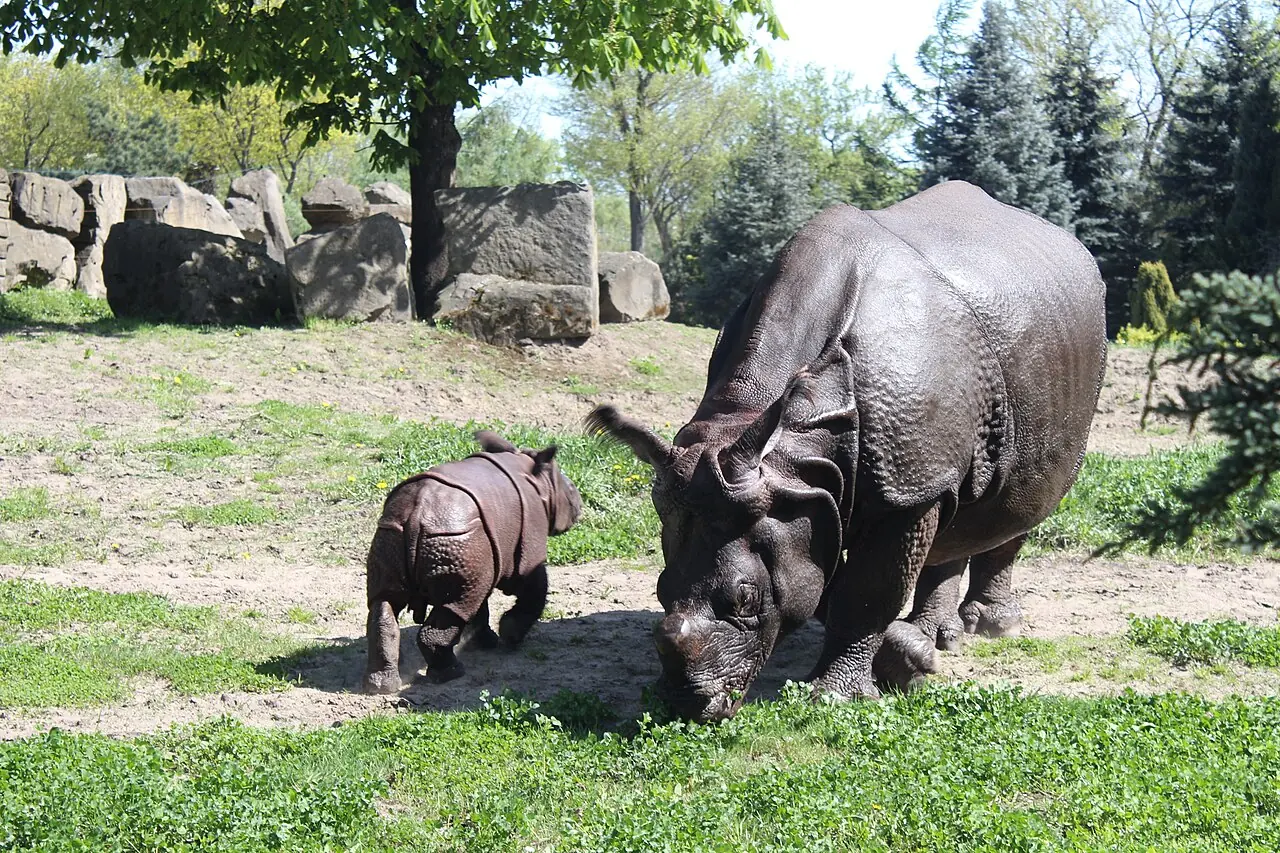 Photo Przemek P, CC BY-SA 3.0, Wikimedia Commons

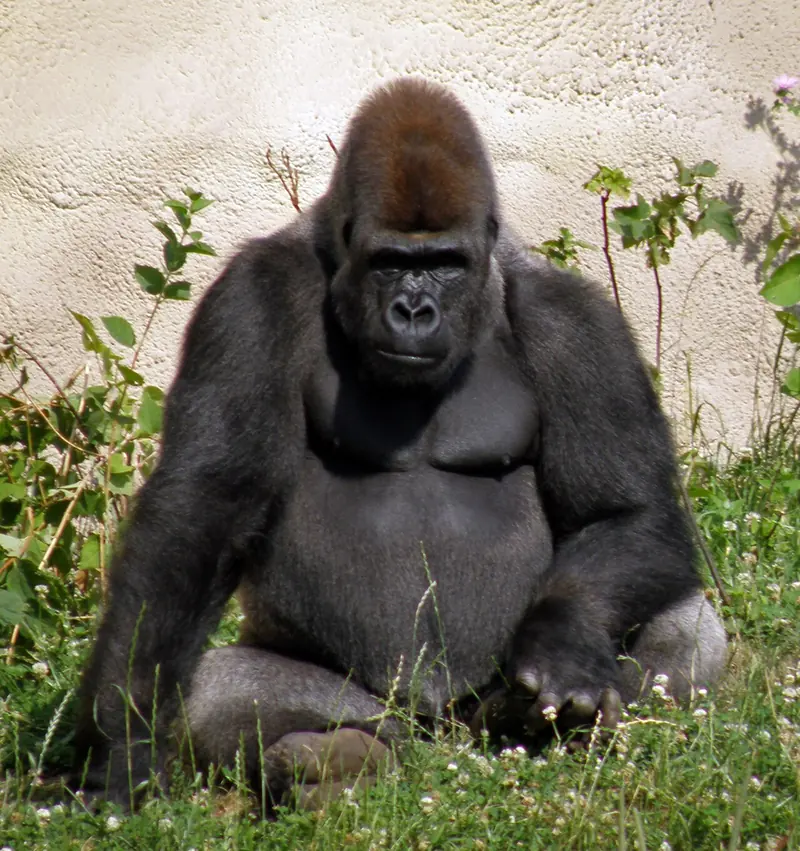 Photo Alina Zienowicz , e-mail, CC BY-SA 3.0, Wikimedia Commons1
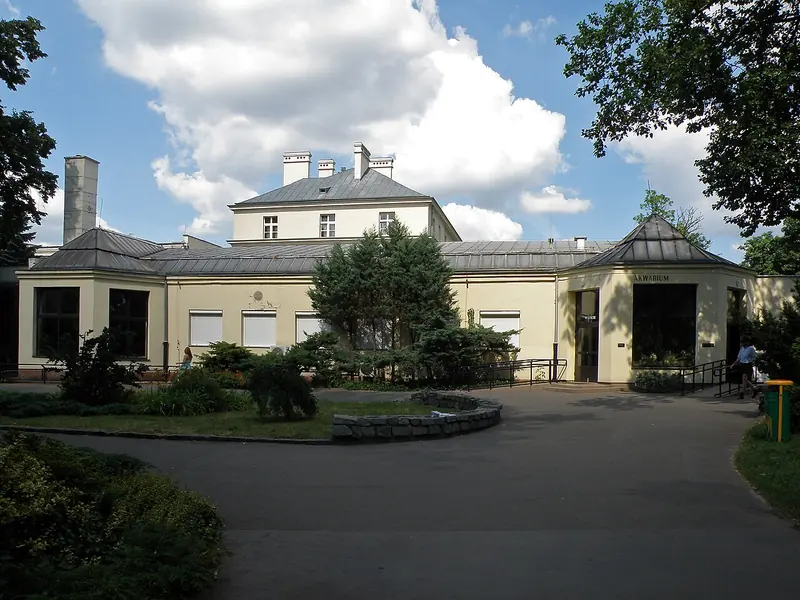 Photo Alina Zienowicz Ala z, CC BY-SA 3.0, Wikimedia Commons
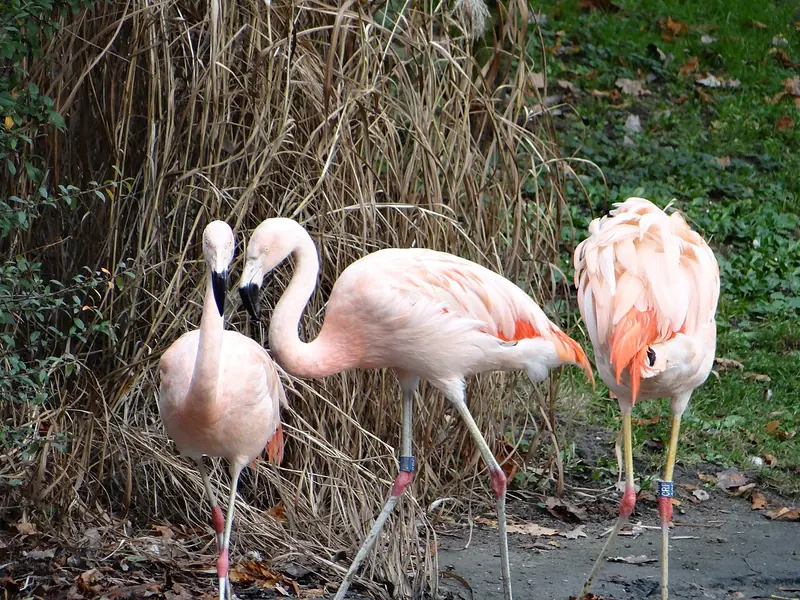 Photo Jolanta Dyr, CC BY-SA 3.0, Wikimedia Commons
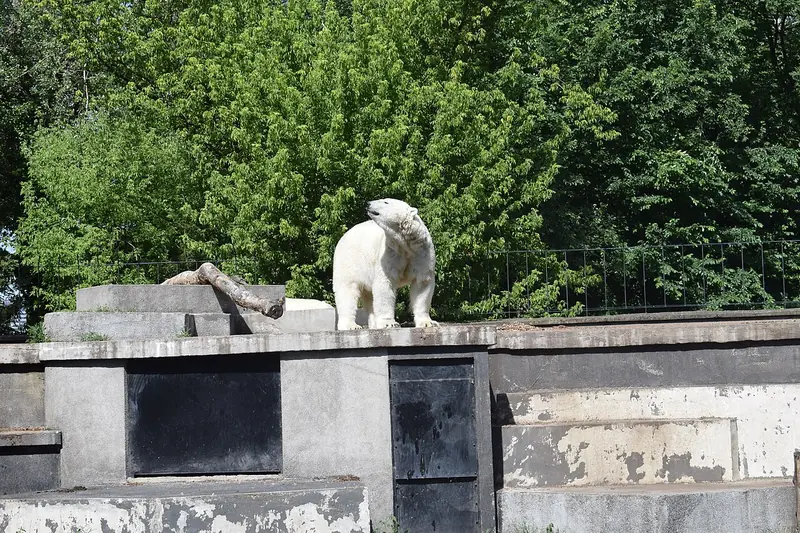 Photo Erko, CC BY-SA 4.0, Wikimedia Commons
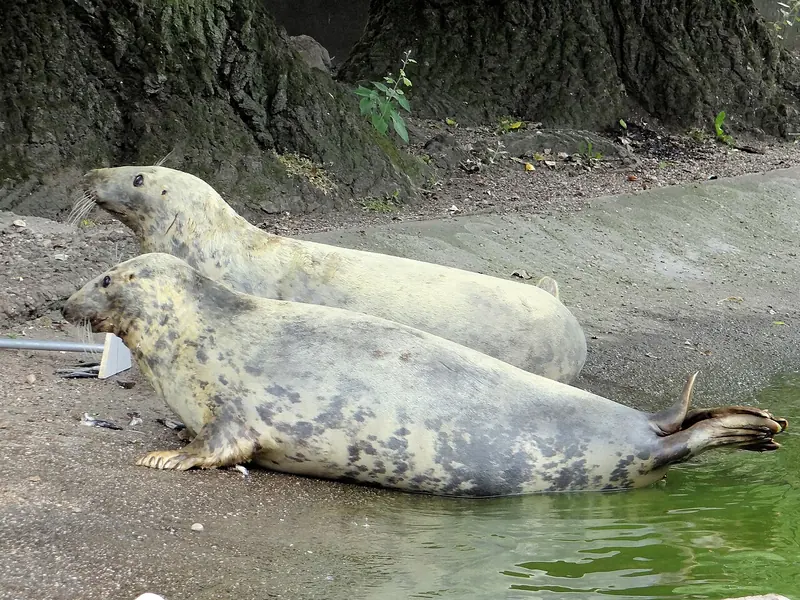 Photo Jolanta Dyr, CC BY-SA 3.0, Wikimedia Commons
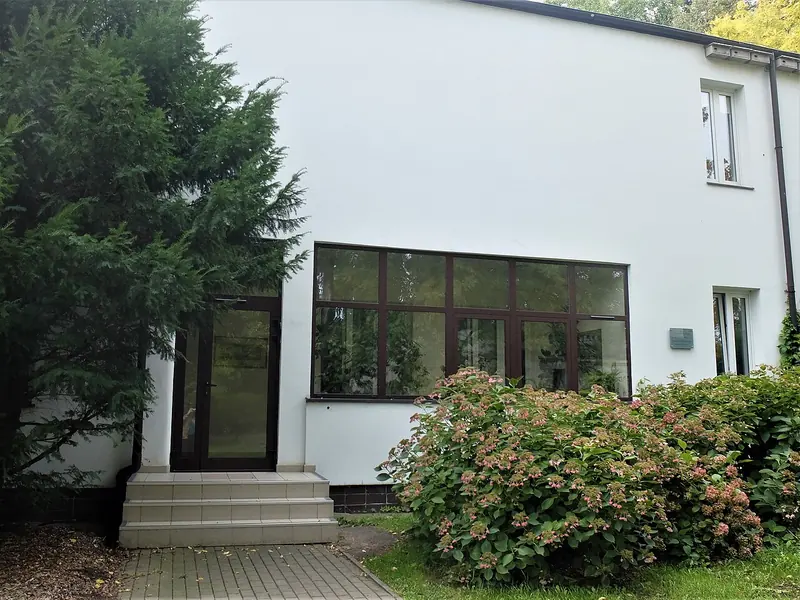 Photo Klarqa, CC BY-SA 4.0, Wikimedia Commons
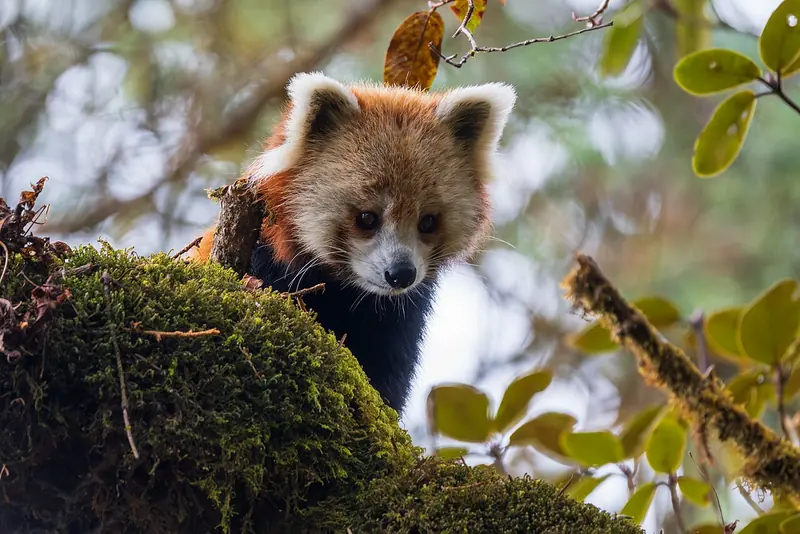 Photo Sunuwargr, CC BY-SA 4.0, Wikimedia Commons
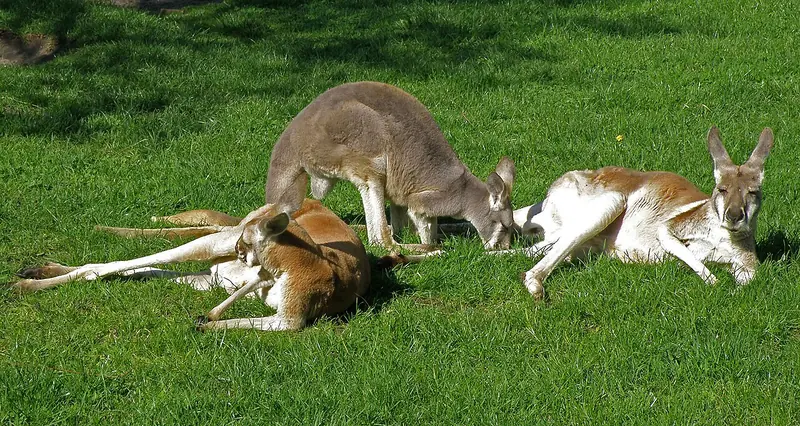 Photo Alina Zienowicz Ala z, Public domain, Wikimedia Commons
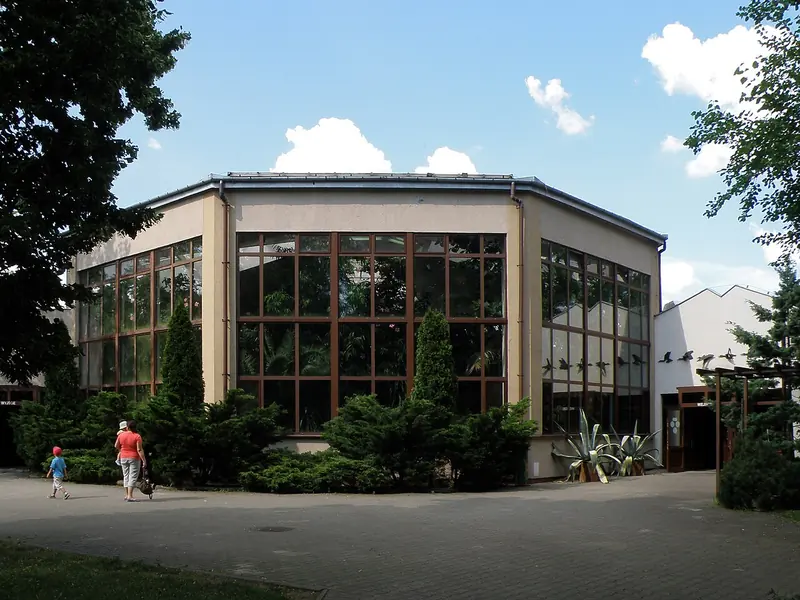 Photo Alina Zienowicz Ala z, CC BY-SA 3.0, Wikimedia Commons
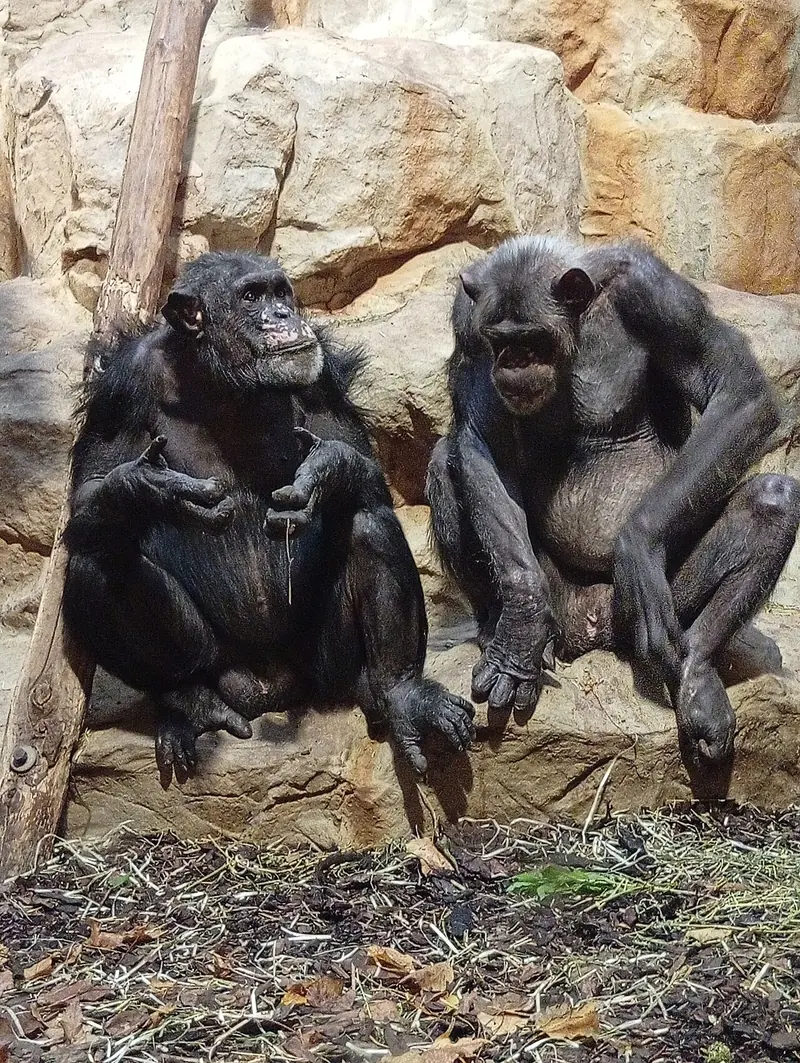 Photo Gknor, CC0, Wikimedia Commons
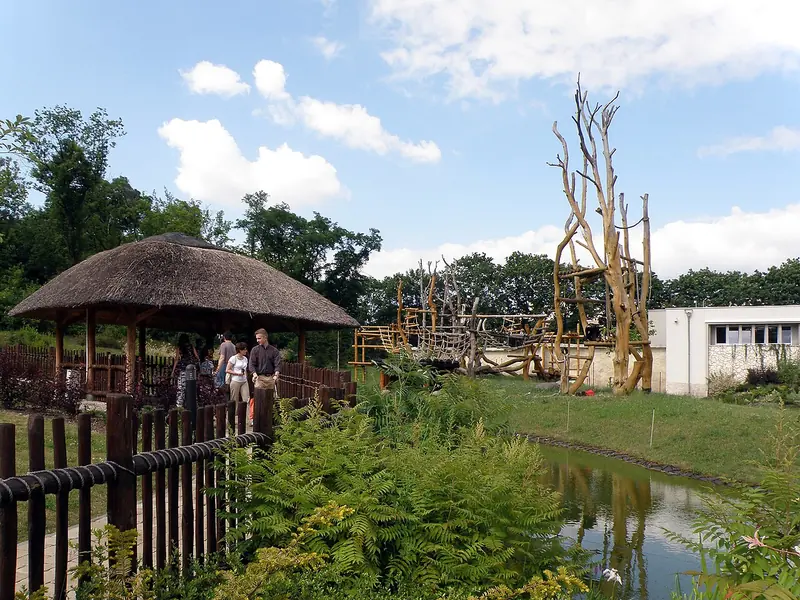 Photo Alina Zienowicz Ala z, CC BY-SA 3.0, Wikimedia Commons
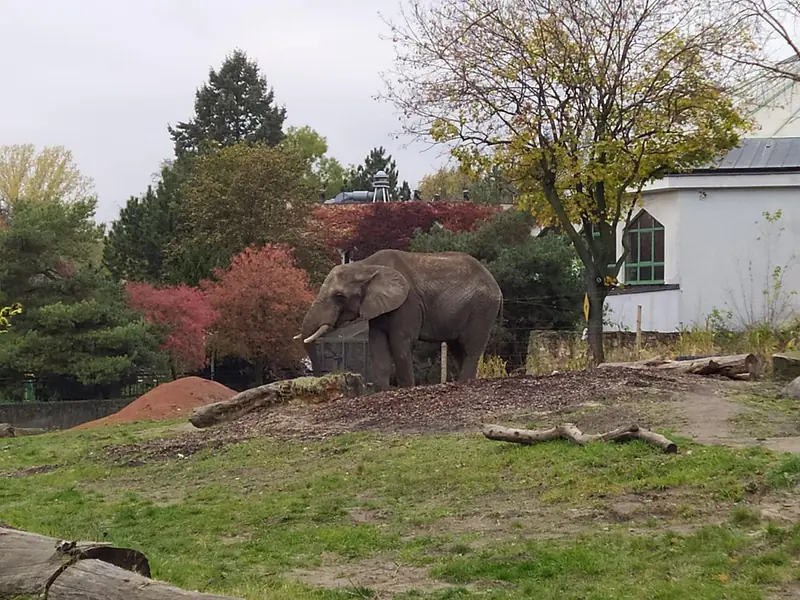 Photo Radosław Botev, CC BY-SA 4.0, Wikimedia Commons
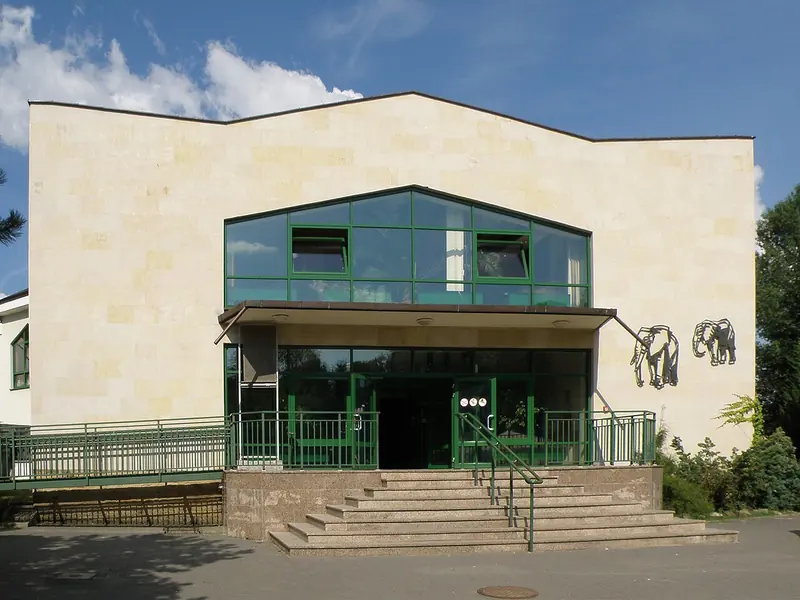 Photo Alina Zienowicz Ala z, CC BY-SA 3.0, Wikimedia Commons
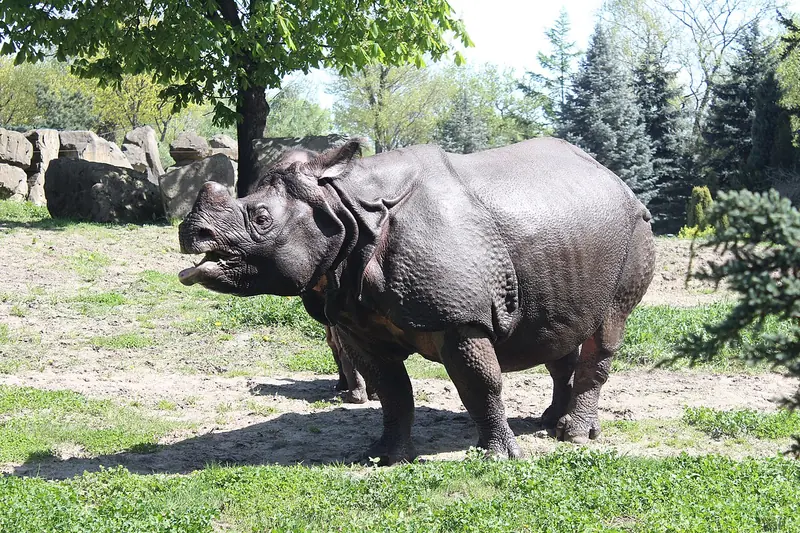 Photo Przemek P, CC BY-SA 3.0, Wikimedia Commons
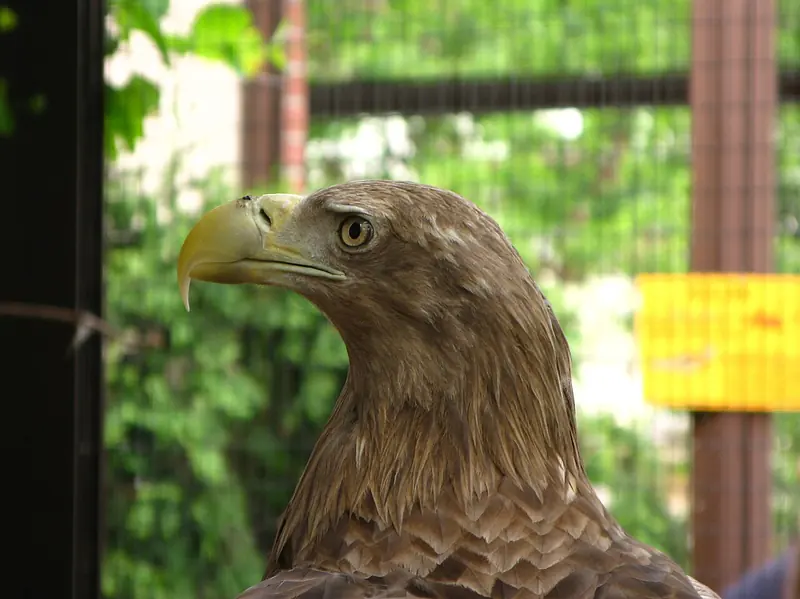 Photo Crusier, CC BY 3.0, Wikimedia Commons
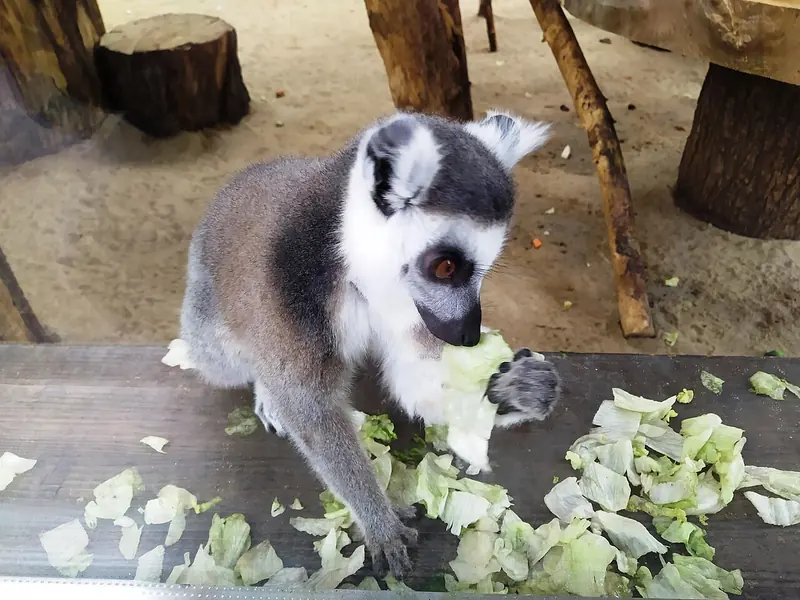 Photo Radosław Botev, CC BY-SA 4.0, Wikimedia Commons
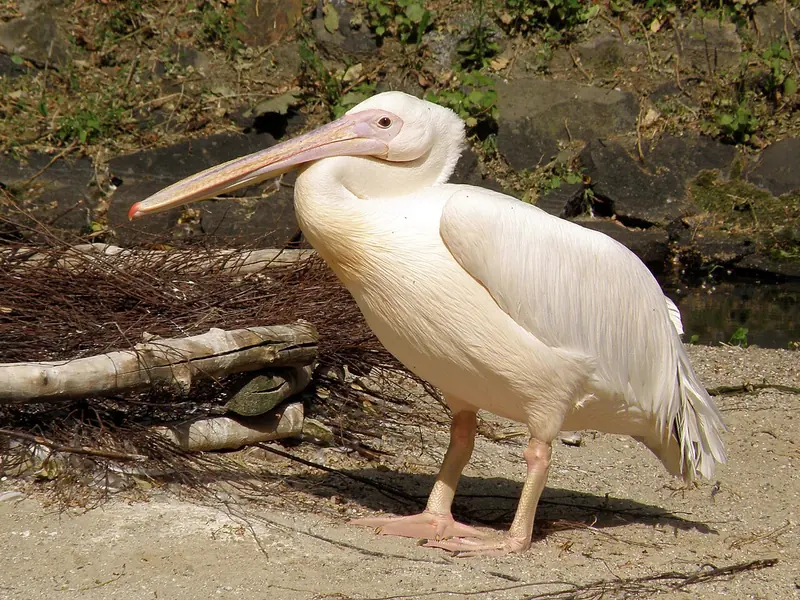 Photo Alina Zienowicz , e-mail, CC BY-SA 3.0, Wikimedia Commons
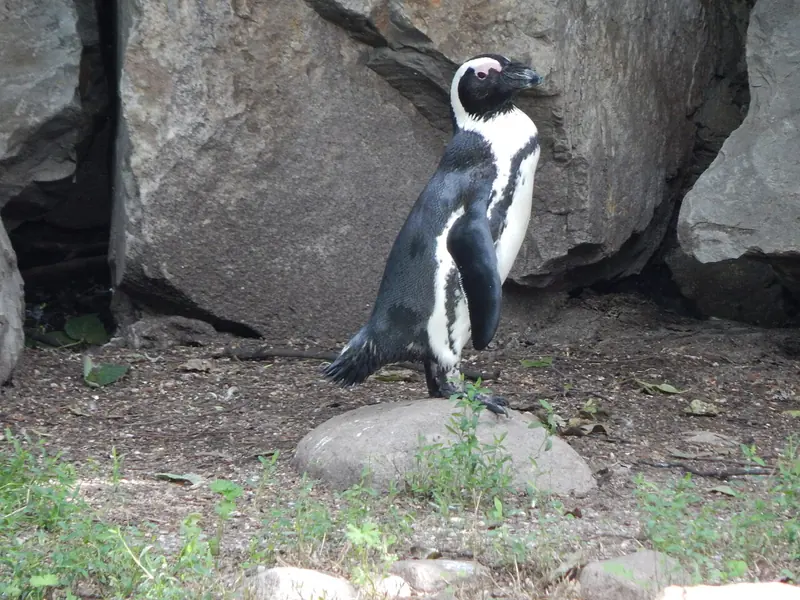 Photo Raf24~commonswiki, CC BY-SA 4.0, Wikimedia Commons
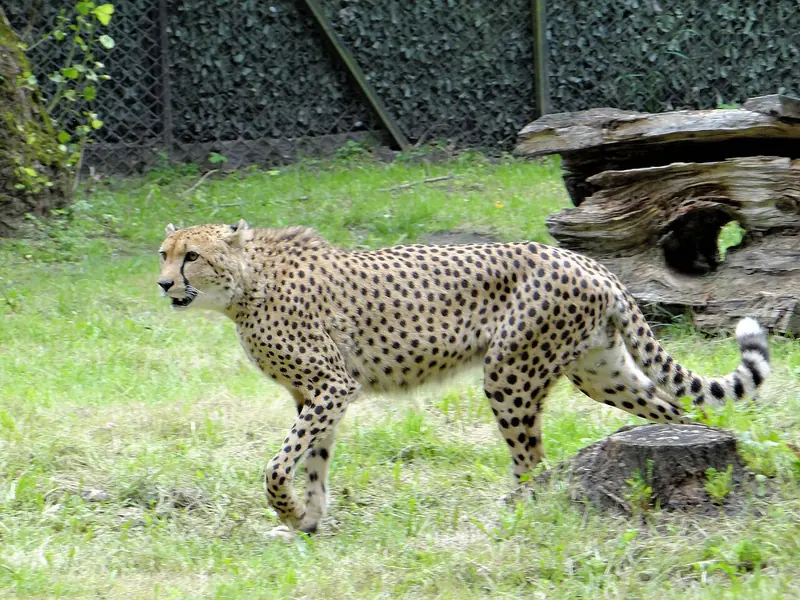 Photo Jolanta Dyr, CC BY-SA 3.0, Wikimedia Commons
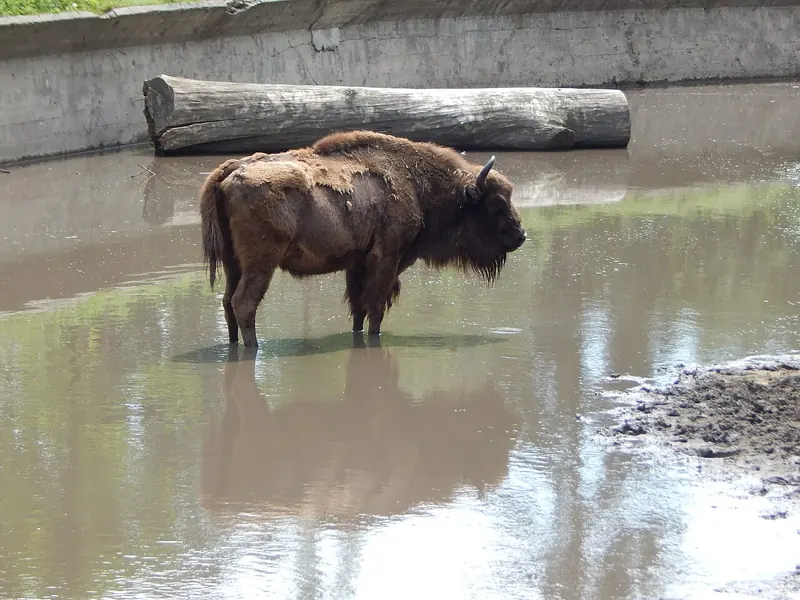 Photo Raf24~commonswiki, CC BY-SA 4.0, Wikimedia Commons
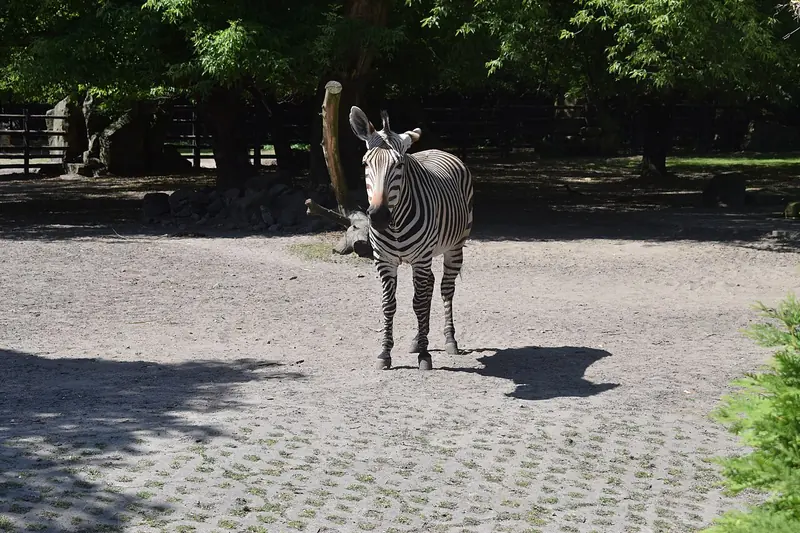 Photo Erko, CC BY-SA 4.0, Wikimedia Commons
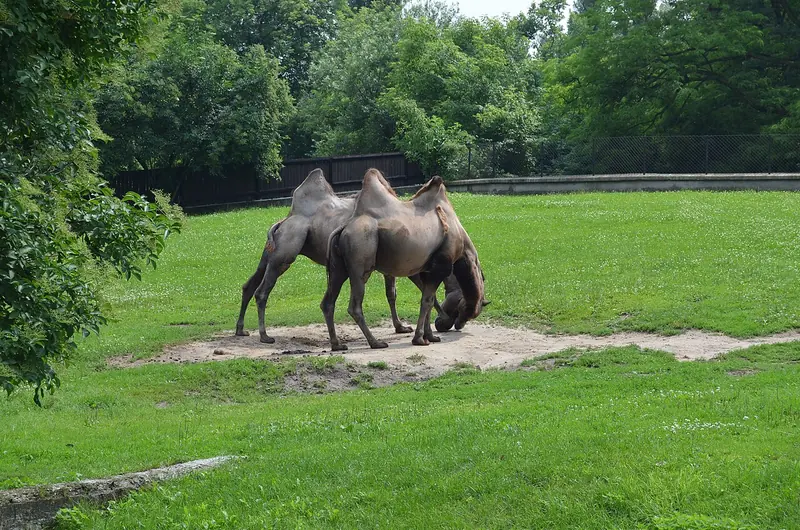 Photo ANBI, CC BY-SA 4.0, Wikimedia Commons
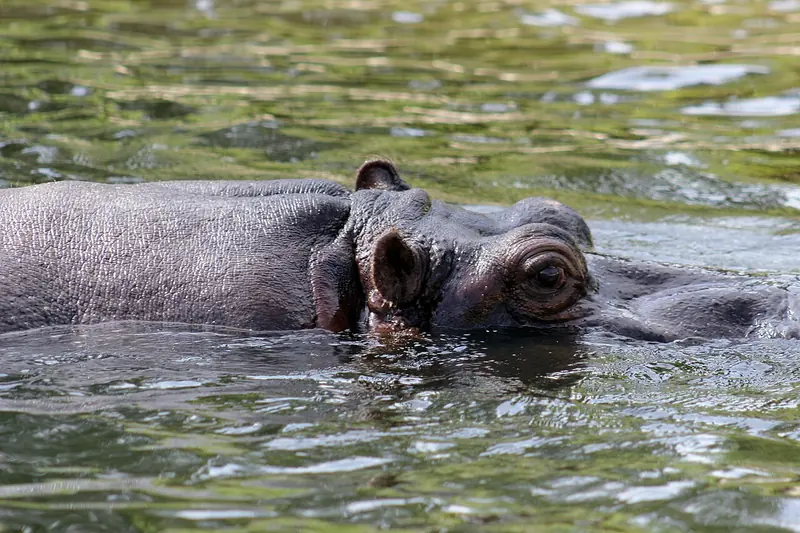 Photo Lukas Plewnia from Winterthur, Schweiz, CC BY 2.0, Wikimedia Commons
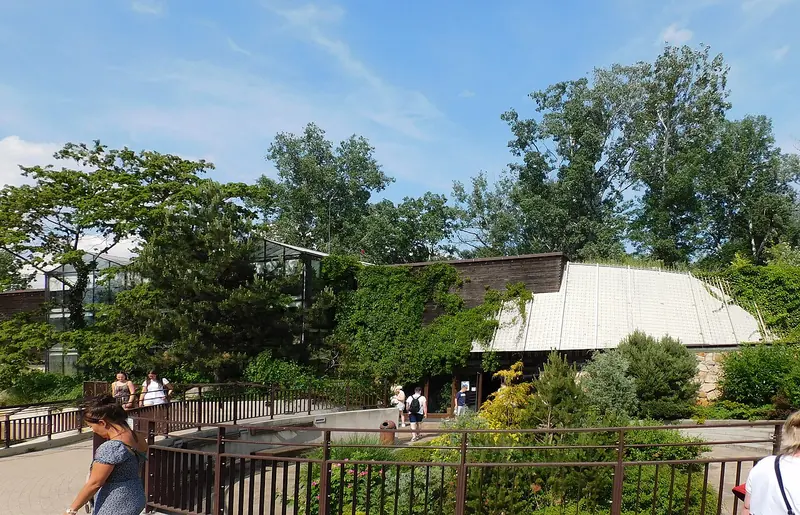 Photo Panek, CC BY-SA 4.0, Wikimedia Commons
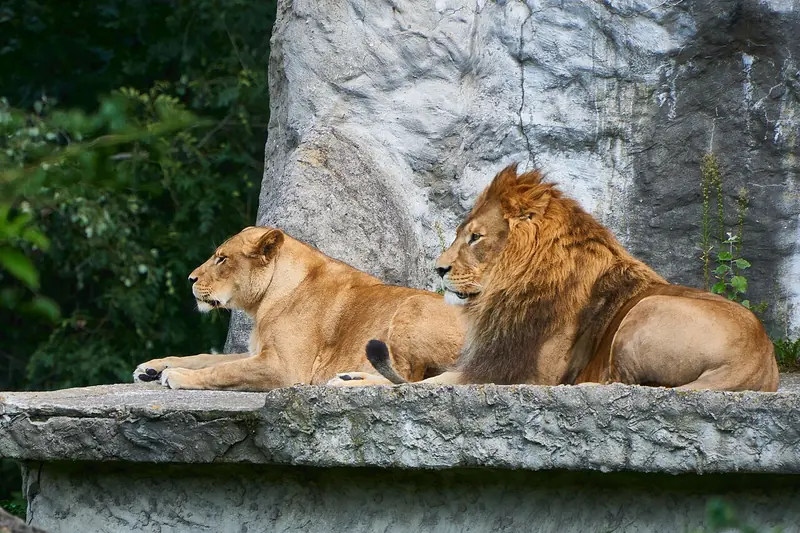 Photo Radek Kucharski from Warsaw, Poland, CC BY 2.0, Wikimedia Commons
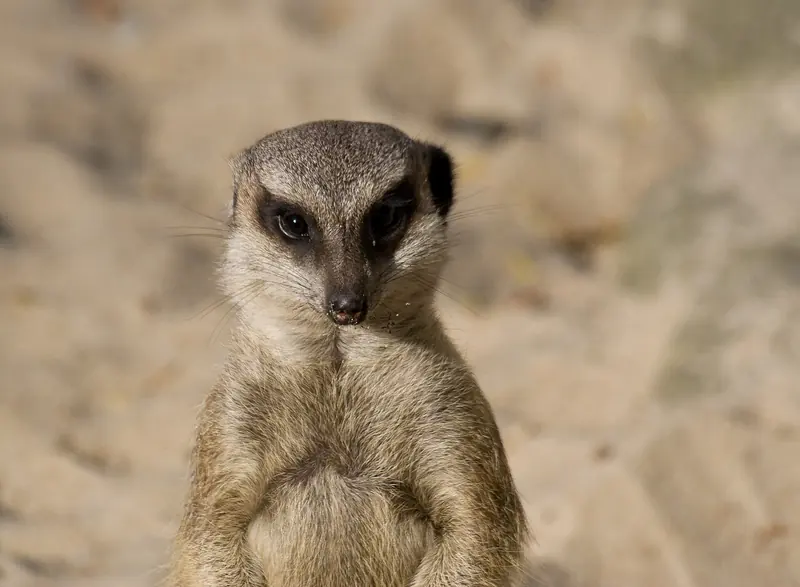 Photo Leafnode, CC BY-SA 3.0, Wikimedia Commons
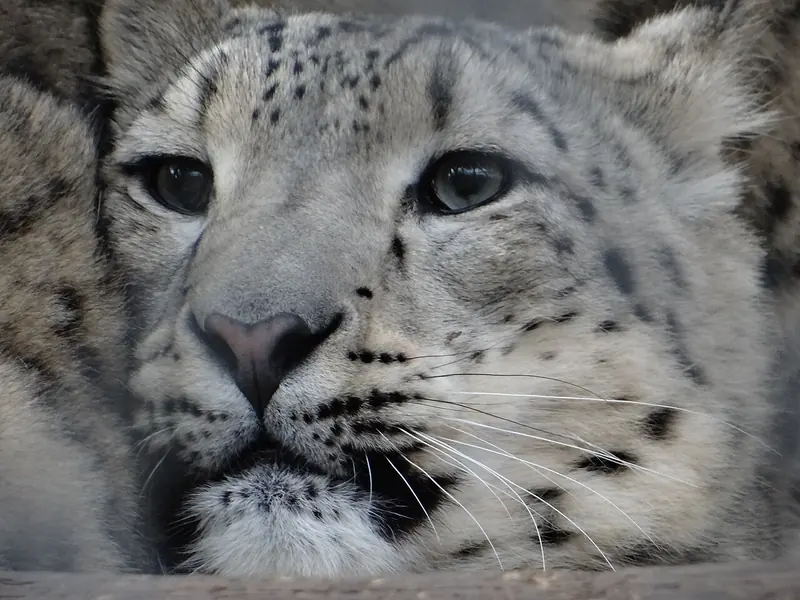 Photo Jolanta Dyr, CC BY-SA 3.0, Wikimedia Commons
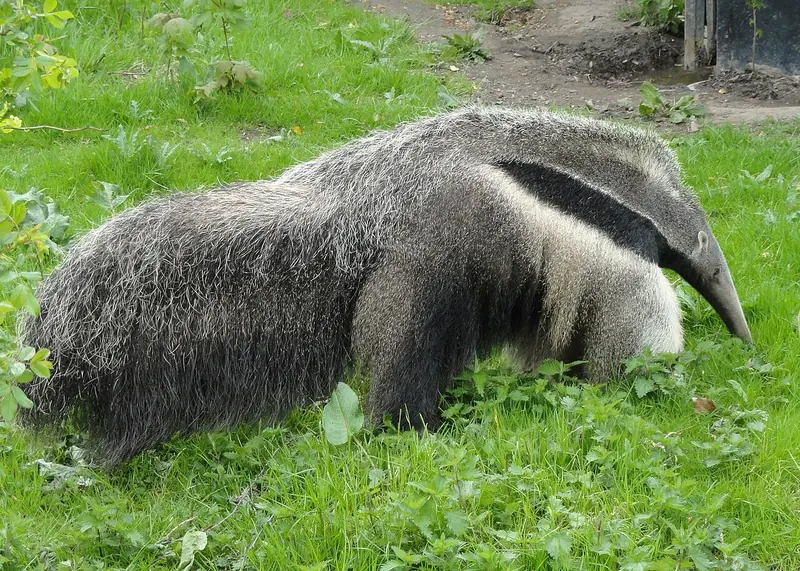 Photo Daderot, CC0, Wikimedia Commons
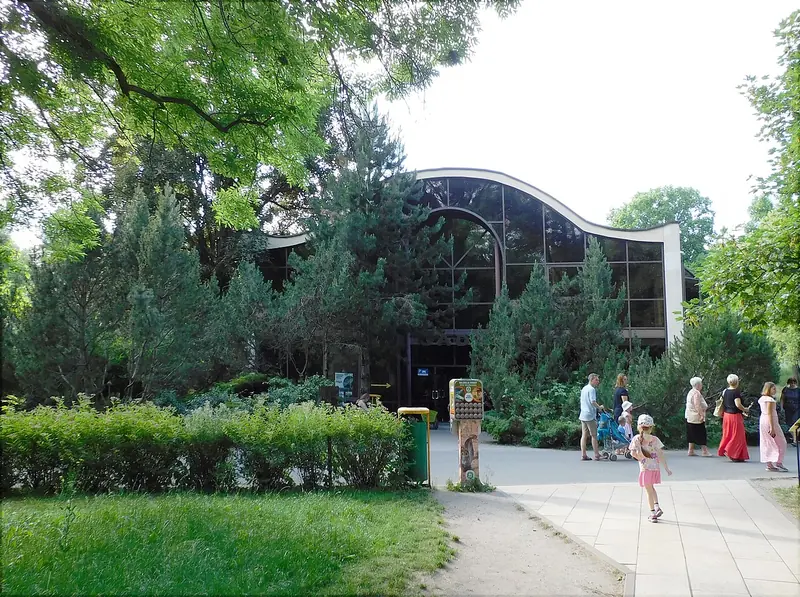 Photo Panek, CC BY-SA 4.0, Wikimedia Commons
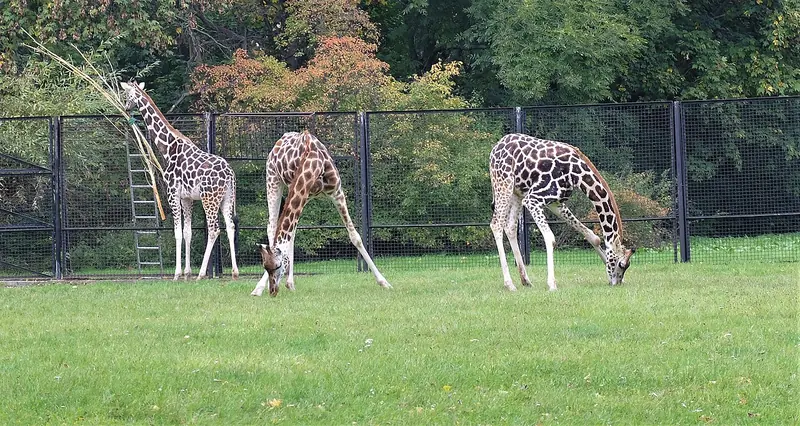 Photo Klarqa, CC BY-SA 4.0, Wikimedia Commons
 Photo M.Bucka, CC BY-SA 4.0, Wikimedia Commons
 Photo 1bumer, CC BY-SA 4.0, Wikimedia Commons
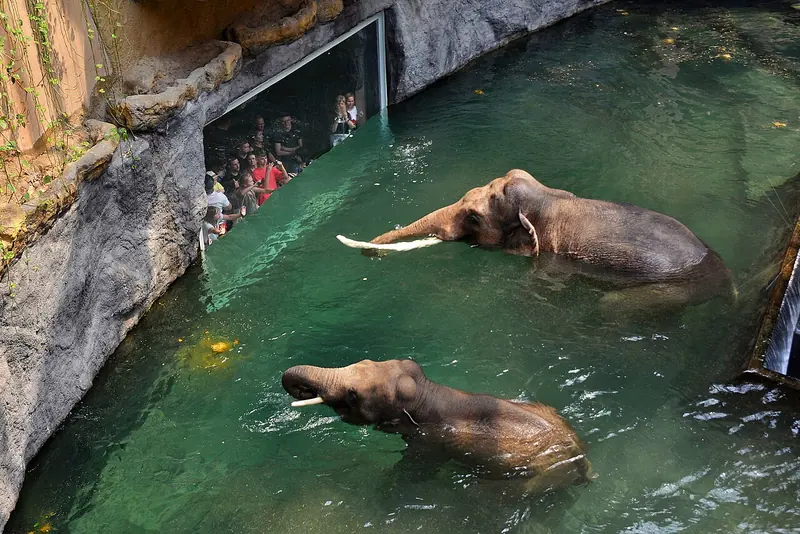 Photo Kapitel, CC BY-SA 4.0, Wikimedia Commons