Night World ★A dimly lit pavilion for animals that are active at night. Among the Łódź zoo's nocturnal species are Senegal bushbabies with huge eyes, named bushbabies because their calls sound like a baby crying, and Egyptian fruit bats, which eat fruit. Give your eyes a moment to get used to the half-light.
Ring-tailed lemurs ★Ring-tailed lemurs come from Madagascar and are easy to recognise by their black and white ringed tails. The troop is led by the largest and strongest female, who looks for feeding places and somewhere to spend the night. They eat mainly fruit, leaves and seeds. Their numbers in the wild have fallen dramatically over the last 30 years.
False gharials ★False gharials have a long, narrow snout, perfect for catching fish, and live in the swamps of Malaysia and Indonesia. The Łódź male Kraken measures 5.15 m, and his partner Penelopa is about 2 m shorter; according to the zoo, they are the largest pair of this species in Europe. In Poland you can only see them here, on land or underwater through the glass.
Sun bears, outdoor enclosure ★The sun bears' outdoor enclosure by the southern part of the Orientarium. These small bears spend a lot of time in the treetops, so look out for them high up on the climbing structures too. They come from the tropical forests of Asia, where they are threatened by logging and poaching.
Sumatran orangutans ★Poland's only Sumatran orangutans live right next to the crocodiles: the male Budi, the female Ketawa and the young male Joko. Adult males have impressive cheek pads, and every evening all the orangutans build themselves a nest to sleep in. On 1 April 2026 Ketawa gave birth to a baby boy, the first Sumatran orangutan born in Poland.
African penguins ★African penguins come from the coasts of southern Africa, so they do not need ice. Each one has its own pattern of black spots on its chest, which the birds use to recognise each other, and because of their loud calls they are sometimes called jackass penguins. A group of these penguins has lived at Łódź Zoo since 2015; in the wild their numbers have fallen by 98% in a hundred years.
Tapir Pavilion ★This is home to lowland tapirs, among the largest plant-eaters of South America. Although their shape is like a pig's, they are relatives of horses and rhinos, and their upper lip and nose form a short, mobile trunk. Next to the pavilion the zoo map also shows an enclosure for capybaras, the world's largest rodents.
Asiatic lions ★Asiatic lions are a little smaller than African lions, and only about 670 live in the wild, in the Gir reserve in India. Łódź Zoo was the first in Poland to bring in this species, in 1996. Their enclosure is next to the big cat pavilion, which the zoo built in 1968.
Meerkats ★Meerkats live in groups in the dry lands of southern Africa. While the group looks for food, at least one meerkat stands guard on the highest point and warns the others with a call that matches the type of danger. Adults teach the young to hunt, even scorpions, and they get their water mainly from moist roots and tubers.
Indian elephants ★In the Orientarium the Indian elephants have a 2,000 m² enclosure with a pool, where a window lets you watch them bathing from under the water, and in good weather also an outdoor enclosure with two pools and waterfalls. Aleksander is the easiest to recognise: he has only one tusk, and according to the zoo he is the largest and oldest elephant of this species in Europe.
Aquarium ★The Aquarium in the older part of the zoo has 22 tanks: 20 with freshwater fish and 2 marine ones; it reopened after renovation in April 2015. Piranhas and other fish from the rivers of South America swim here, among others. Łódź Zoo opened its first permanent fish exhibition as early as 1956.
Giraffe House ★The Giraffe House with its large grassy enclosure was built for the zoo's 50th anniversary, in 1988. It is home to Rothschild's giraffes, which you can recognise by their pale-edged patches that darken towards the middle. A giraffe has a purplish-blue tongue more than 50 cm long, which it uses to strip leaves; about 1,500 adult giraffes of this subspecies are left in the wild.
Sumatran tigers ★The Sumatran tiger is the smallest living tiger subspecies and is critically endangered. It has unusually dark, dense stripes and prominent whiskers on its cheeks, and it is the only tiger with webbing between its toes, which helps it swim. It hides its prey under leaves or drowns it in water so that its smell does not attract other predators.
Red pandas ★Red pandas, also called lesser pandas, have returned to Łódź Zoo after a break of more than 30 years; the pair Ofelia and Otello live here. Despite the name, they are not closely related to the giant panda, although they also like bamboo. At Łódź Zoo the red pandas have feeding demonstrations, when you can best see them on the move.
Australia Pavilion ★A pavilion and enclosures for animals from Australia and New Guinea: red kangaroos, emus and southern cassowaries. Red kangaroos are among the largest marsupials and can leap as far as 9 m, while a newborn joey is only about 1 cm long. Cassowaries rarely breed in zoos, but in Łódź chicks hatched in 2014 and 2016.
Mantled guerezasMantled guerezas are black and white monkeys from the forests of Africa with a long cape of white hair that works like a parachute when they leap. They have no thumbs, which helps them move quickly through the branches. They eat mainly leaves, and their stomach, like that of ruminants, has several chambers with bacteria that digest cellulose.
Hanuman langursHanuman langurs are grey monkeys with black faces from India and the surrounding area, named after the Hindu god Hanuman, the king of the monkeys. They live in troops of up to 100 animals and eat leaves and young shoots. According to the zoo, the Łódź langurs are the only representatives of this species in Poland. They live in the Orientarium's outdoor enclosure.
Yellow-cheeked gibbons, outdoor enclosureThe gibbons' outdoor enclosure by the Orientarium, next to the Hanuman langurs. Gibbons feed mainly on fruit, leaves and young shoots, and pairs communicate with loud songs that carry a long way. Look for them high up on the climbing structures, because they spend almost all their time above the ground.
Eurasian otterThe Eurasian otter also lives along Polish rivers and lakes, though it is rare here. It is a superb swimmer and diver, hunts mainly fish, and its burrows often have an entrance hidden underwater. It sometimes sleeps in the water among plants that stop it being carried away by the current. In ancient times otters were trained to catch fish.
Yellow-cheeked gibbonsYellow-cheeked gibbons come from the forests of Vietnam, Laos and Cambodia. They move by swinging on their long arms from branch to branch, and can leap as far as 10 m this way. Their colouring is fascinating: the young are born pale beige, then turn black like the males, and the females only go back to a pale colour at around 7 years old.
Javan langursJavan langurs, also called lutungs, are tree-dwelling monkeys from Java that live in groups of usually up to 7 animals. They eat mainly young leaves, which their multi-chambered stomach handles well. Adults are black, while the young are born bright orange, which makes it easy for mothers to spot them, and for children to find the little ones in the group.
BinturongsBinturongs are nocturnal animals from the forests of South-East Asia, from the civet family; they climb with the help of a prehensile tail, and they smell like popcorn. Łódź Zoo was the first to bring this species to Poland, and in 2019 a baby binturong was born here. The binturong display is on level 0 of the Orientarium building.
Golden jackalsA family pack of golden jackals lives in one of the Orientarium's outdoor enclosures. These slender members of the dog family live in Asia, the Middle East and south-eastern Europe, and in recent years they have been appearing in Poland too. They eat both plants and animals, often hunt in pairs, and the family sticks together and guards its territory as a team.
Griffon vulturesGriffon vultures have a wingspan of about 230 cm and clear up carrion in nature. In Poland they were still nesting in the Pieniny Mountains in 1914. On 11 May 2026 a young vulture hatched at Łódź Zoo, the first in several decades; its father Duduś came here in 2007 with an injured wing, after being found in a field near Skierniewice.
Sun bearsSun bears are the smallest bears in the world, with a pale patch on the chest. They are excellent climbers thanks to their huge claws, and they use their tongue, up to 25 cm long, to scoop out honey and insects. Their faces are very expressive, and they do not hibernate. In the Orientarium they have an enclosure in the Sunda Islands Zone and a second one outside.
VivariumA building home to amphibians and reptiles, including brightly coloured poison dart frogs from the forests of South America. Their colours warn predators that they are poisonous. Other animals, on the other hand, have camouflage colouring, so it is worth stopping for a moment at each terrarium to spot them among the branches and leaves.
Asian small-clawed ottersAsian small-clawed otters are the smallest otters in the world, weighing up to 5 kg. They live in family groups in which older brothers and sisters help bring up the young, and they catch fish, amphibians and crustaceans with their nimble front paws. At Łódź Zoo they get fish and meat every day, as well as prawns, squid and vegetables.
Lion-tailed macaquesLion-tailed macaques come from the forests of south-western India, and the silvery mane around their black face and the tuft of hair at the end of their tail make them look like lions. They spend most of their time in the trees and communicate with loud calls and facial expressions. Łódź Zoo has been breeding them for several decades; only about 2,500 to 3,000 live in the wild.
Japanese macaquesJapanese macaques live only in Japan, further north than any other monkeys, and they cope well with snowy winters. They form troops of anything from a few to more than 100 animals, with a clear hierarchy. They eat mainly fruit, leaves and seeds. At Łódź Zoo they live in one of the Orientarium's outdoor enclosures.
VicuñasVicuñas are the smallest relatives of camels, living high on the slopes of the Andes. Their wool is among the most valuable in the world, and one animal gives about half a kilogram of it a year. In the 1960s only about 6,000 were left, and thanks to protection there are now more than 350,000.
Sumatran orangutans, outdoor enclosureThe orangutans' outdoor enclosure by the Orientarium has structures for climbing, playing and resting, and a pool. On warm days the orangutans come out here for some fresh air, so if they are not in the Sunda Islands Zone, look in here. Orangutans are the largest tree-dwelling animals, and their name means ‘person of the forest’ in Indonesian.
Common squirrel monkeysSquirrel monkeys are small, very lively monkeys from the forests of South America; because of the markings on their heads, in Polish they are sometimes called ‘little skulls’. They live in noisy troops, in the wild often together with capuchins, and eat insects, fruit, seeds, leaves and flowers. They have their own pavilion with an enclosure in the central part of the zoo.
Pygmy hipposPygmy hippos come from the forests of West Africa. They are half the size and a seventh of the weight of common hippos, live alone or in small groups and eat ferns, leaves and fallen fruit. Scientists only described them in the 19th century, and fewer than 3,000 are left in the wild.
South AmericaA pavilion for animals from South America by the northern edge of the elephant enclosure. According to the zoo map, residents include sloths, tamanduas and Brazilian porcupines, and next door giant otters, the largest otters in the world and the only ones in Poland. Giant otters live in families in which older brothers and sisters help with the younger ones, and they eat 3 to 5 kg of fish a day.
Monkey GroveA pavilion of small monkeys from South America, including tamarins and lion tamarins. These small primates live in family groups, and lion tamarins owe their name to the golden mane around their heads. Look for them on the branches and ropes, because they are very agile and rarely stay in one place for long.
Africa PavilionA pavilion for African animals in the western part of the zoo. Right next to it, the zoo map shows an enclosure for lesser kudu, slender antelopes from East Africa with pale stripes on their sides; the males have long, spiral horns. Nearby there are also enclosures for red ruffed lemurs from Madagascar and sea eagles.

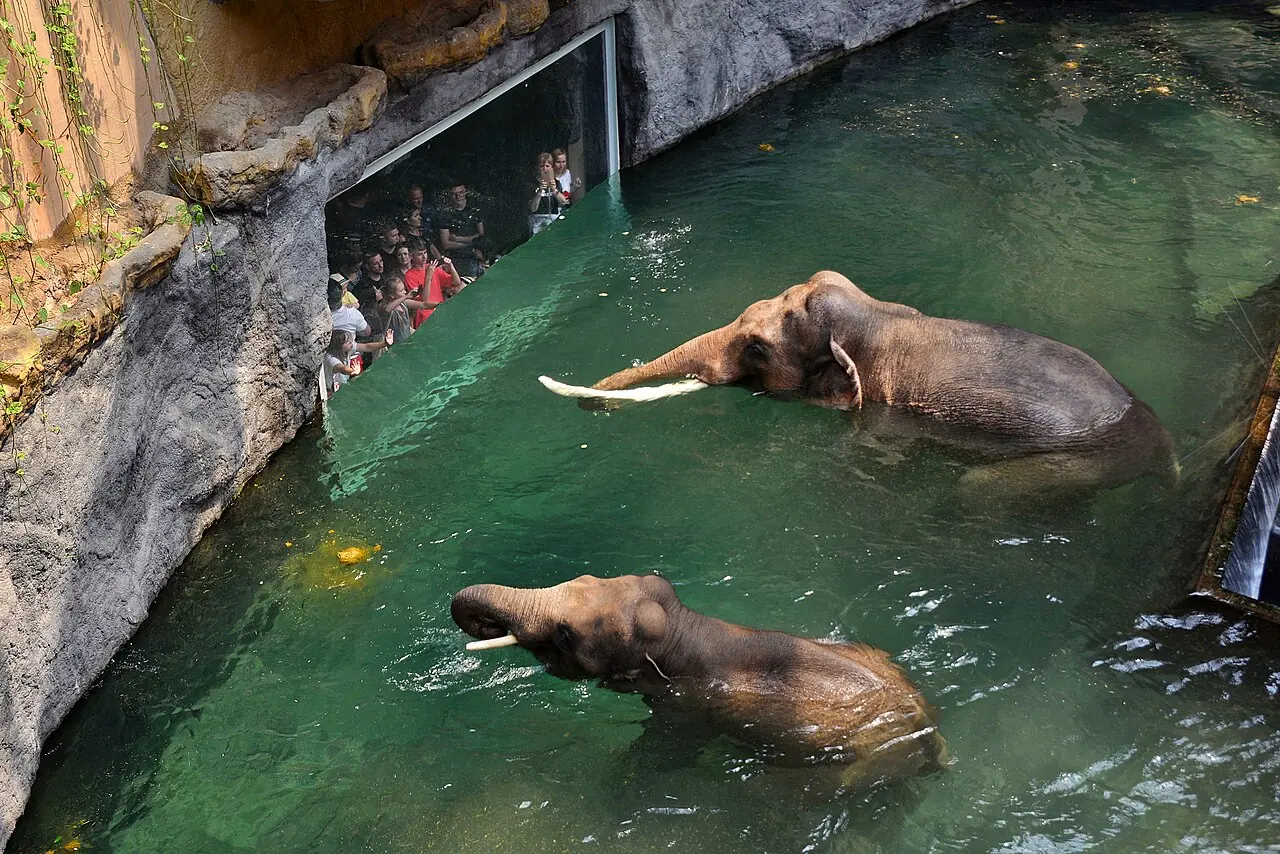 Photo Kapitel, CC BY-SA 4.0, Wikimedia Commons

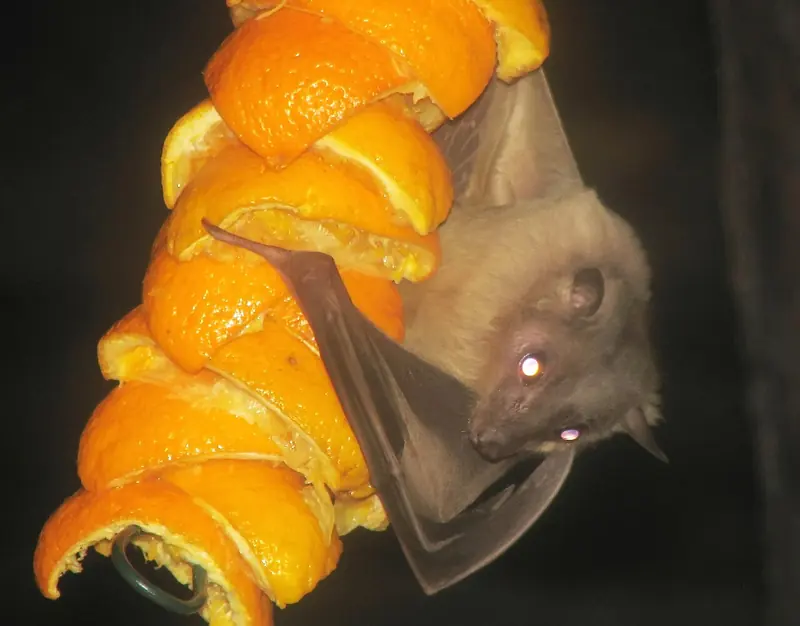 Photo Arpingstone, Public domain, Wikimedia Commons1
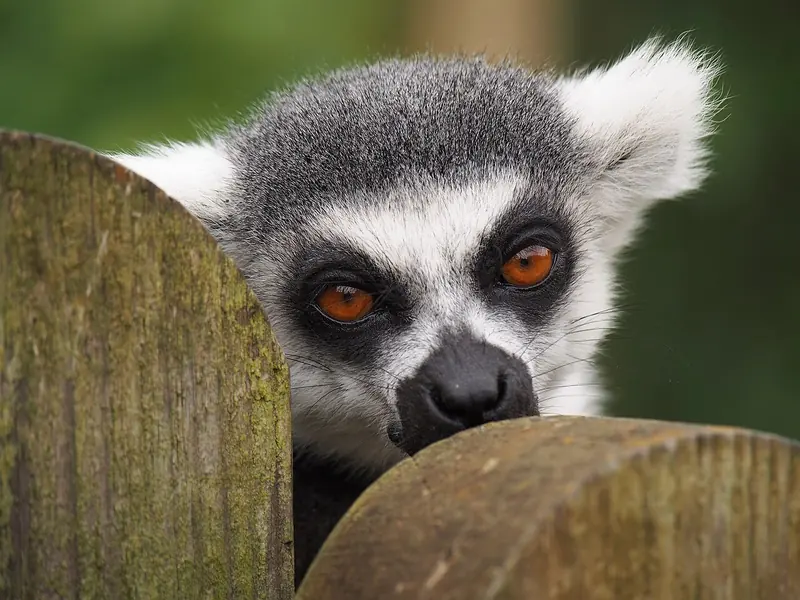 Photo Francis C. Franklin, CC BY-SA 3.0, Wikimedia Commons
 Photo Darekm135, CC BY-SA 3.0, Wikimedia Commons
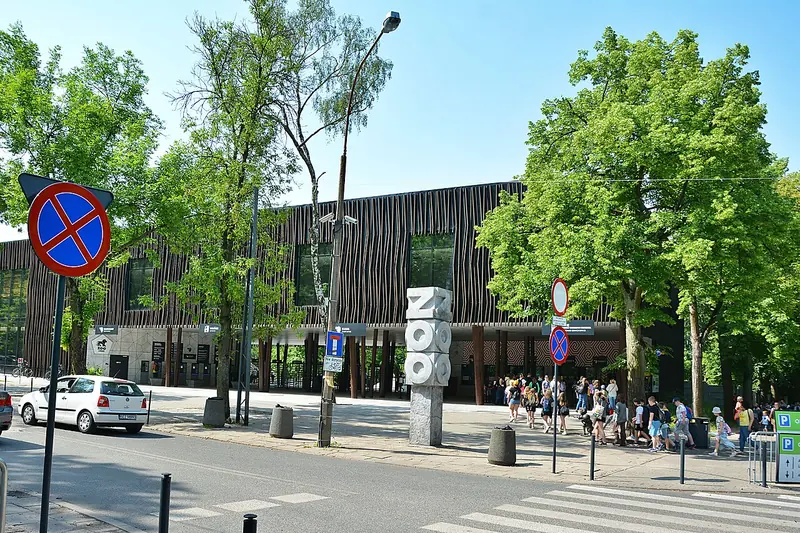 Photo Kapitel, CC BY-SA 4.0, Wikimedia Commons
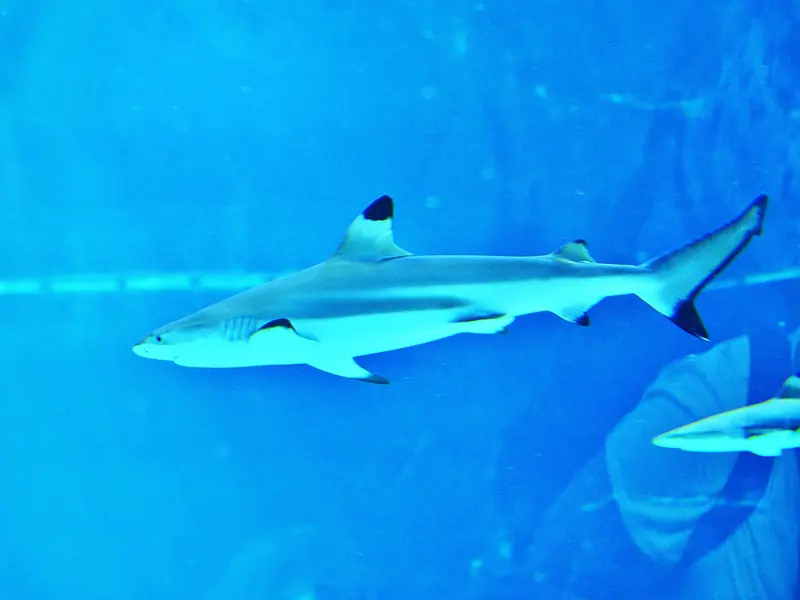 Photo Kapitel, CC BY-SA 4.0, Wikimedia Commons
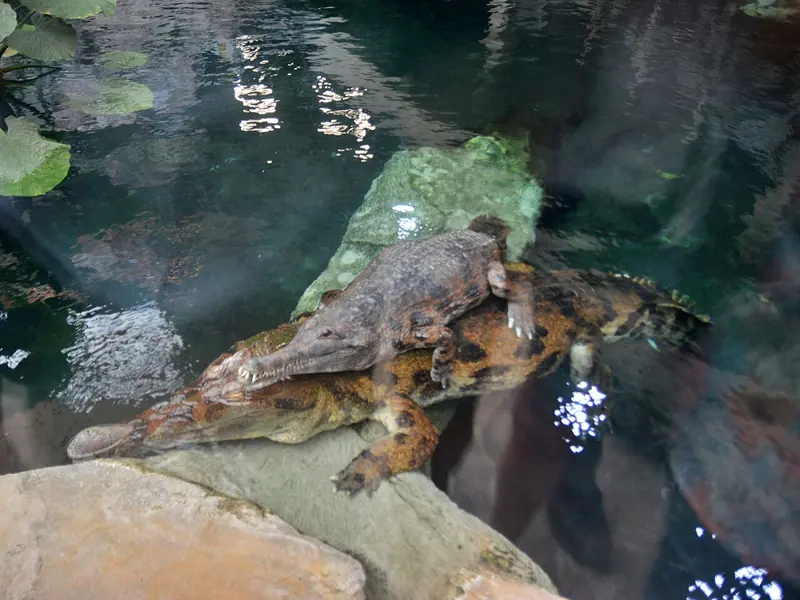 Photo Kapitel, CC BY-SA 4.0, Wikimedia Commons
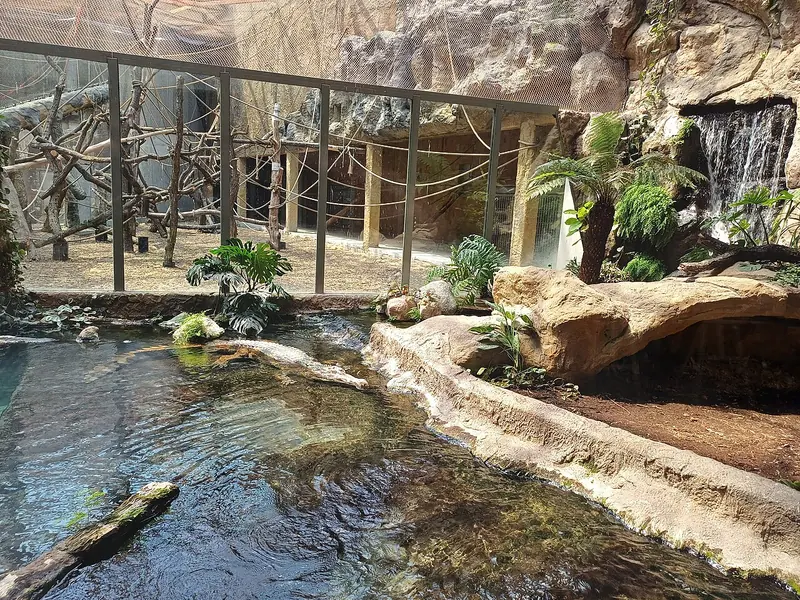 Photo Botev, CC BY-SA 4.0, Wikimedia Commons
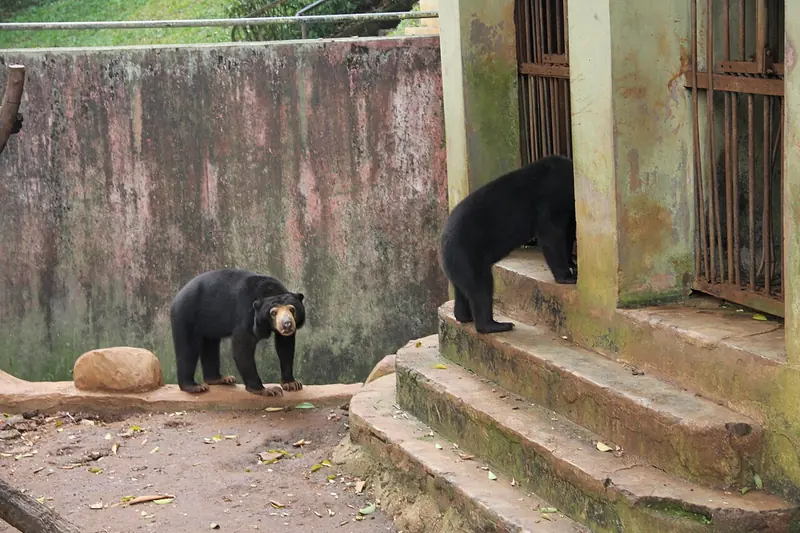 Photo Achmadweb, CC BY-SA 4.0, Wikimedia Commons
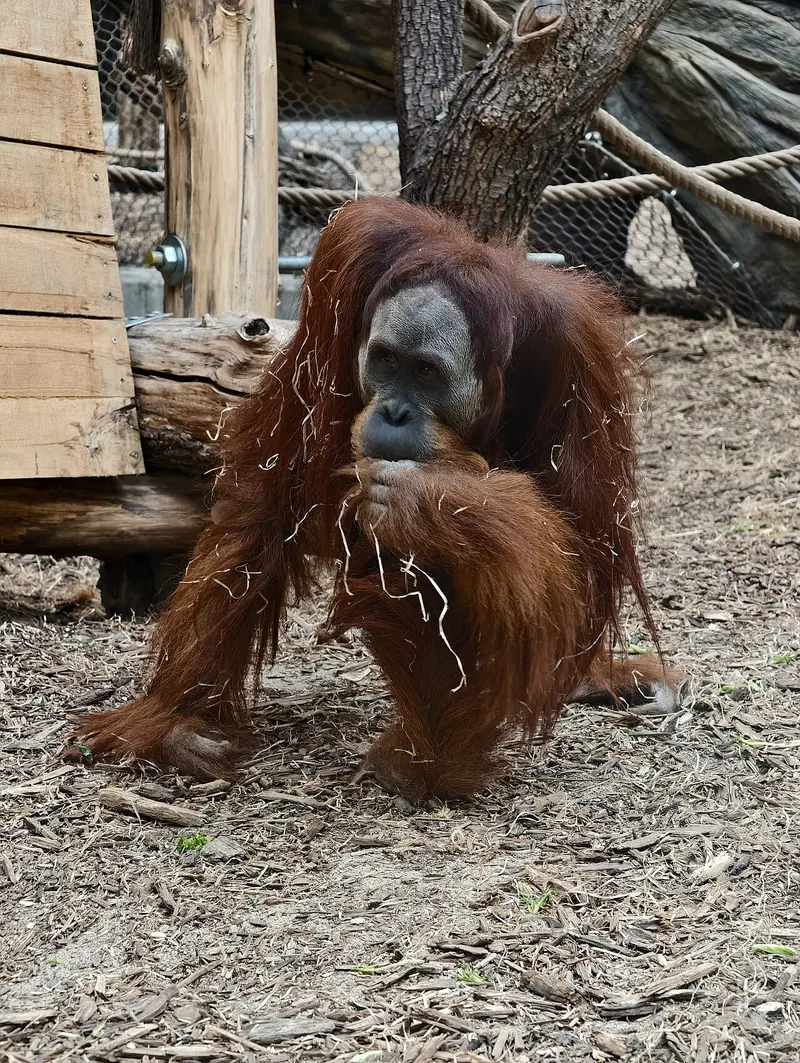 Photo Krigore, CC BY-SA 4.0, Wikimedia Commons
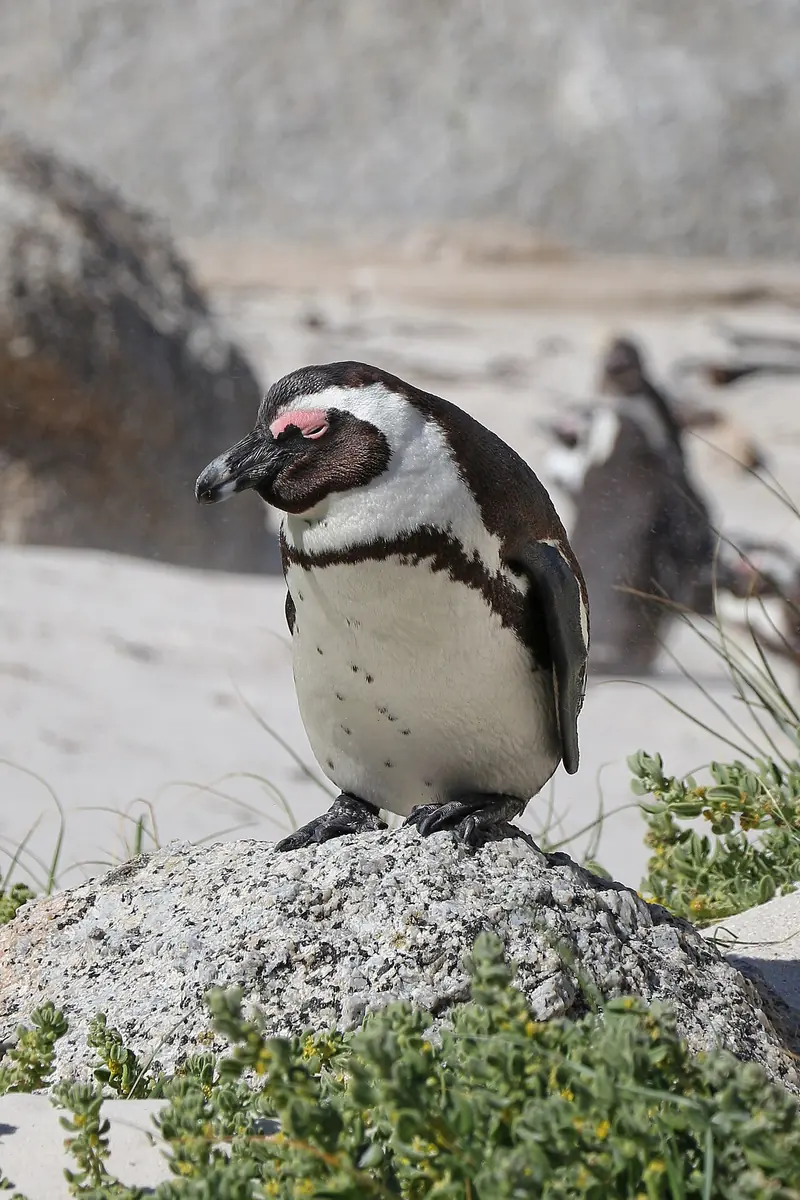 Photo Bernard Gagnon, CC BY-SA 4.0, Wikimedia Commons
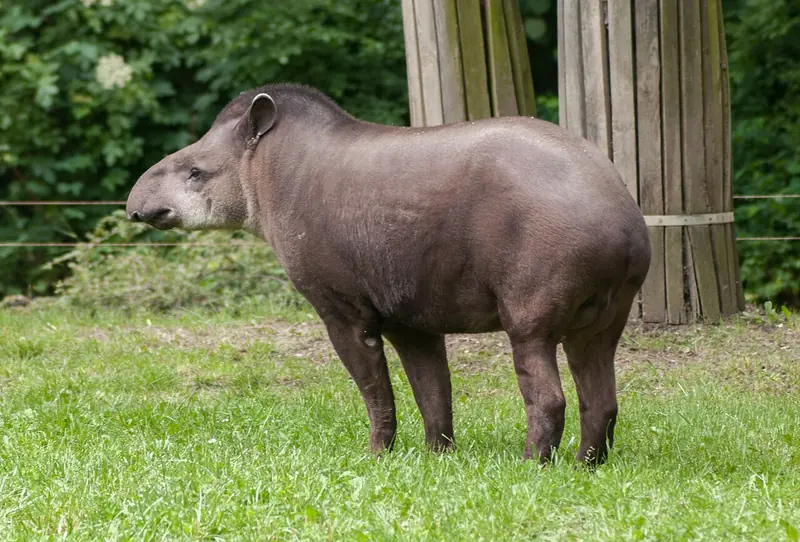 Photo Chrumps, CC BY-SA 4.0, Wikimedia Commons
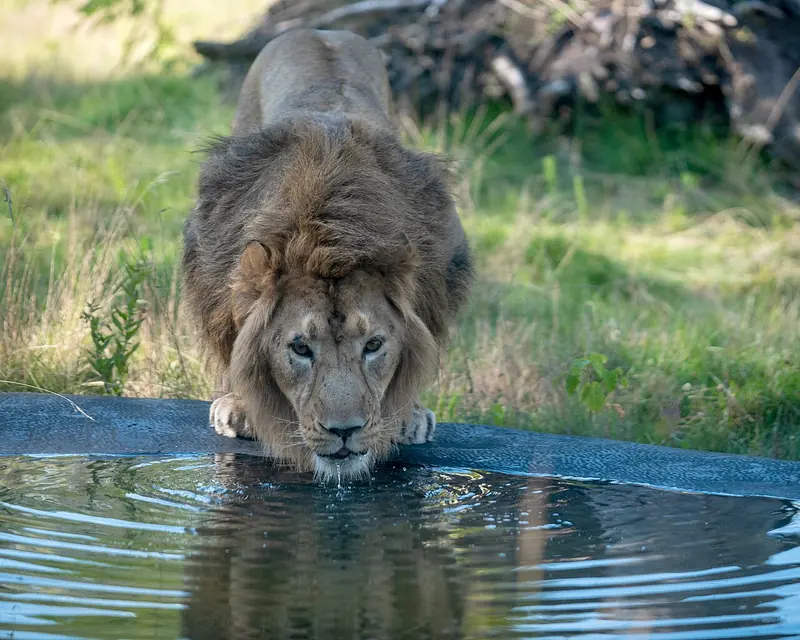 Photo ZOO Łódź Orientarium, CC BY-SA 4.0, Wikimedia Commons
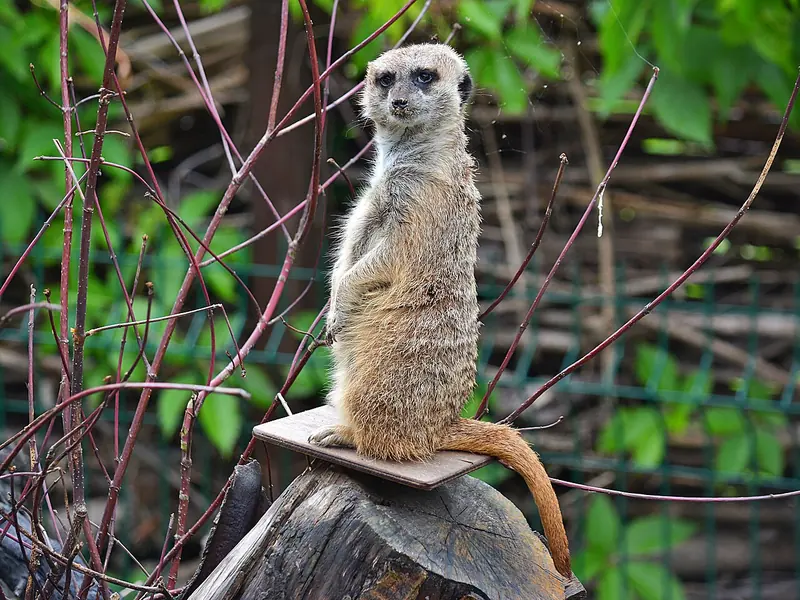 Photo Kapitel, CC BY-SA 4.0, Wikimedia Commons
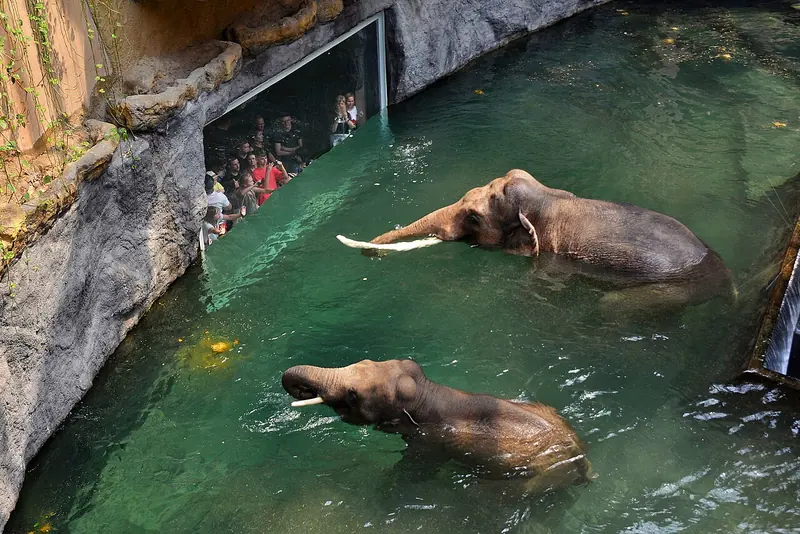 Photo Kapitel, CC BY-SA 4.0, Wikimedia Commons
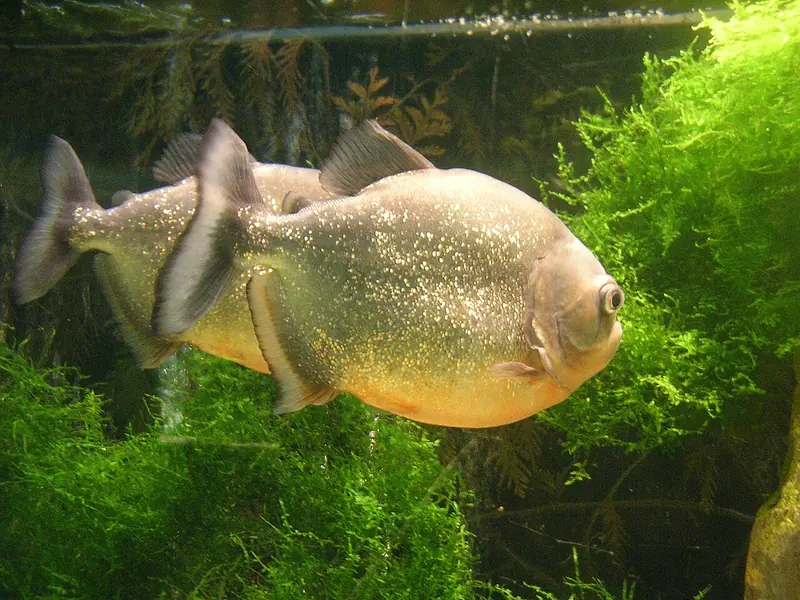 Photo Kamil Porembiński from Lodz, Poland, CC BY-SA 2.0, Wikimedia Commons
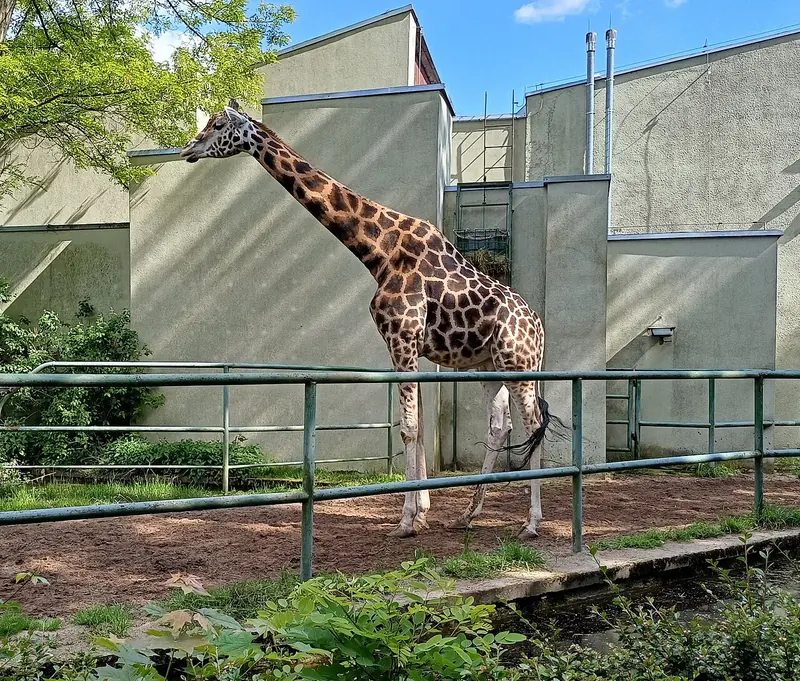 Photo Botev, CC BY-SA 4.0, Wikimedia Commons
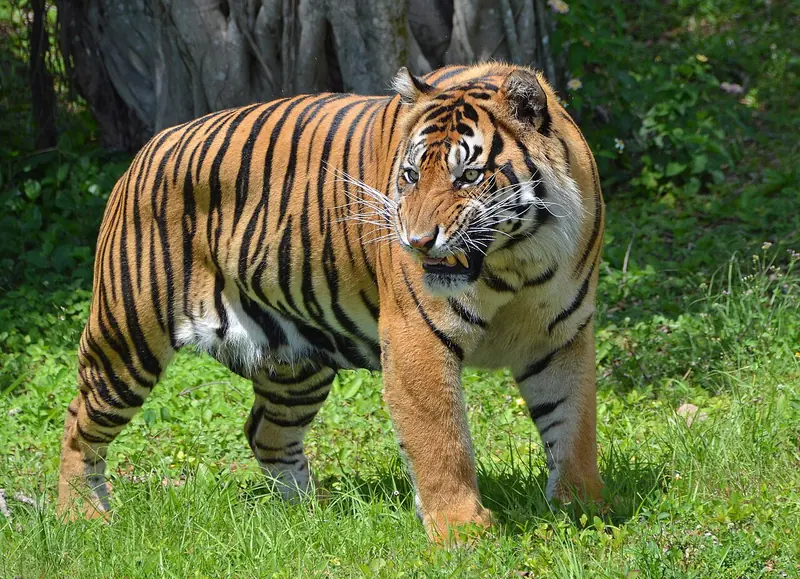 Photo Clément Bardot, CC BY-SA 4.0, Wikimedia Commons
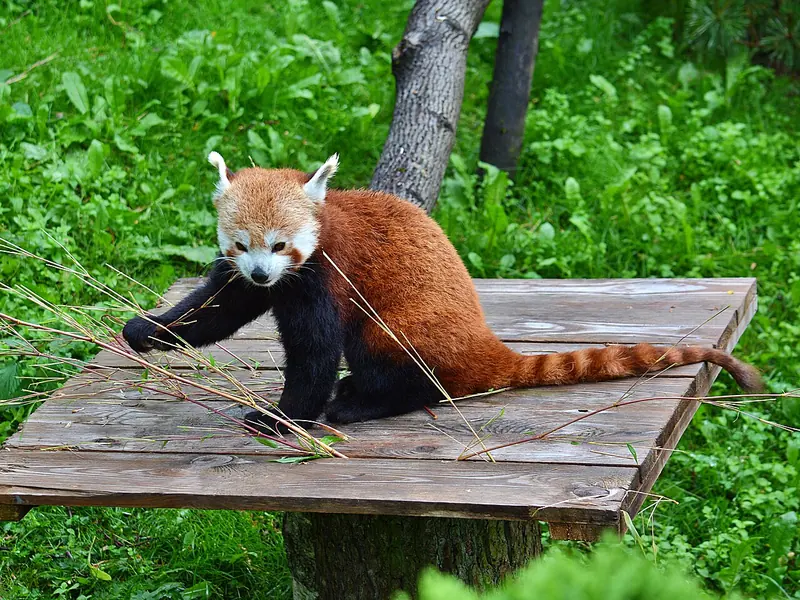 Photo Kapitel, CC BY-SA 4.0, Wikimedia Commons
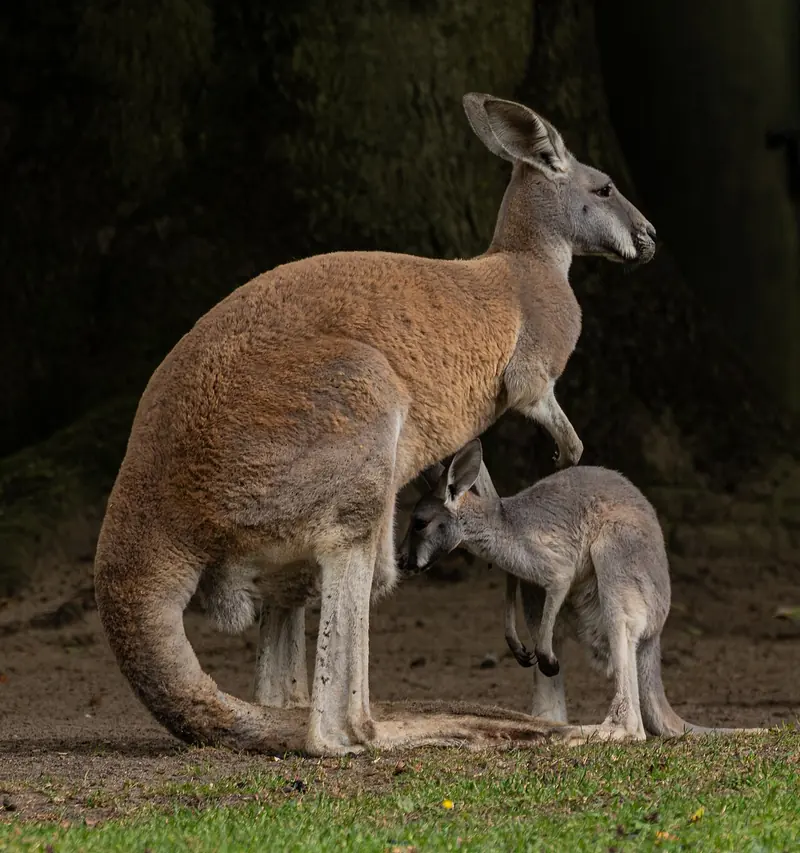 Photo H. Zell, CC BY-SA 3.0, Wikimedia Commons
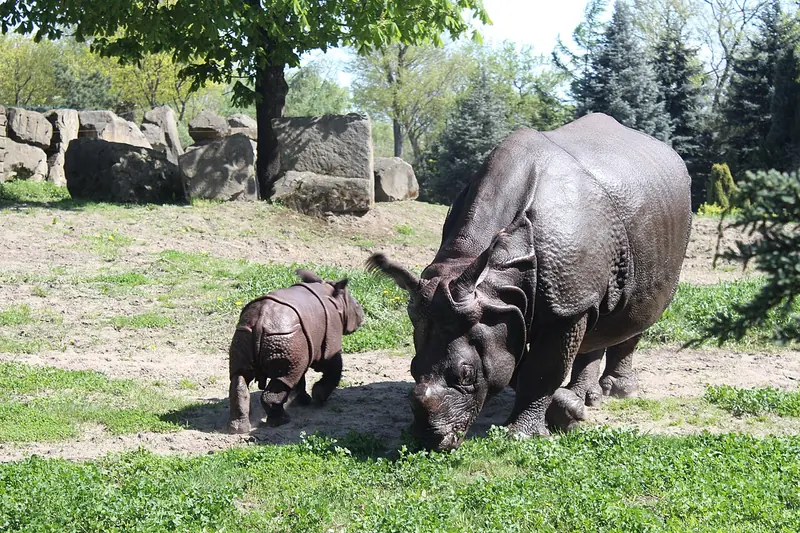 Photo Przemek P, CC BY-SA 3.0, Wikimedia Commons
 Photo 1bumer, CC BY-SA 4.0, Wikimedia Commons
 Photo M.Bucka, CC BY-SA 4.0, Wikimedia Commons