Photo Łukasz Niemiec, CC BY-SA 3.0 pl, Wikimedia Commons
BattlefieldStębark, Warmia-Masuria
Grunwald Battlefield with children: what to see, map and route
Grunwald Battlefield. In the Turi app, the same map shows your position, guides you from point to point and lets you tick off the places you’ve visited.
The walk starts at the new museum in Stębark, next to the car park. The battlefield is open and free all year, while the museum charges an entry fee and has its own opening hours. The route follows meadows and field tracks and can get muddy in the rain. Around 15 July the Grunwald Days and a re-enactment of the battle draw large crowds. If you are already on the field, Turi will guide you from the nearest point.
At home, open the place in Turi and tap “Save for offline”: the map, descriptions and photos will work without signal.
Visit the farthest points first, while you still have energy.
Tick things off as you go, and by the exit you’ll know what’s left.
Grunwald Battlefield in the Turi app
Live position, a route from point to point, descriptions to read and listen to. Free, no account, and in English, German and Ukrainian too.
The same map as in the app. Tap a point to see its photo and description; in Turi you’ll see yourselves on it too.
1recommended, in route orderother pointsWCtoilets, food, tickets
Map: OpenStreetMap (ODbL) and BDOT10k GUGiK, checked against aerial photos. Descriptions and photos: Turi and Wikimedia Commons. Something not right? Report it in the app at that point.
Worth seeing
The site of one of the largest battles of medieval Europe: on 15 July 1410 the armies of Władysław Jagiełło and Vytautas defeated the Teutonic Order here. The walk leads from the new museum past the ruins of the battle chapel and Jungingen's Stone to the amphitheatre with a stone model of the battle, the Victory Monument with eleven banner masts and the stones from the monument in Kraków. Further on, for those who want more, is Jagiełło's Mound.
Photo Gorofil, CC0, Wikimedia Commons1
Building / monument
New Museum of the Battle of Grunwald
This is where you start, at the museum's new building, opened in September 2022. On 15 July 1410, on these fields, Polish, Lithuanian and Ruthenian troops under King Władysław Jagiełło, about 29,000 men in all, defeated the army of the Teutonic Order, supported by knights from Western Europe, about 21,000 men. It was one of the largest battles of medieval Europe. Since 2010 the battlefield has been a national Monument of History. The field itself is open, while the museum charges an entry fee and has its own opening hours.
Photo Marek Mróz, CC BY-SA 4.0, Wikimedia Commons2
Attraction
Stones of the Kraków monument
These granite blocks come from the Grunwald Monument in Kraków. It was built in 1910, for the 500th anniversary of the battle, paid for by the composer Ignacy Jan Paderewski, and about 150,000 people came to its unveiling. Between November 1939 and April 1940 the Germans dismantled and blew up the monument. People in Kraków saved some of the fragments and hid them throughout the occupation. In 1976 the monument in Kraków was rebuilt, and the surviving blocks of its plinth were brought here.
Photo Łukasz Niemiec, CC BY-SA 3.0 pl, Wikimedia Commons3
Attraction
Victory Monument and the banners
The monument stands on the highest point of the field, so you can see it from several kilometres away. The eight-metre granite blocks with the faces of knights and eleven thirty-metre masts, which recall the Polish and Lithuanian-Ruthenian banners, were designed by Jerzy Bandura and Witold Cęckiewicz. It was unveiled on 17 July 1960, the 550th anniversary of the battle, in front of about 200,000 people. Next to it stands a monument donated by the Lithuanian nation. Every year around 15 July the Grunwald Days are held on these fields, with a re-enactment of the battle by knightly brotherhoods from many countries.
Photo Łukasz Niemiec, CC BY-SA 3.0 pl, Wikimedia Commons4
Attraction
Amphitheatre and battle model
On the floor of the amphitheatre lies an almost twenty-metre map made of coloured stones that shows how the armies stood just before the battle. The old museum pavilion is under the amphitheatre. A chronicler wrote that the royal army went into battle singing the hymn Bogurodzica. Before the battle the Teutonic Knights sent Jagiełło two naked swords as a challenge; the king accepted them and they became a famous memento of the victory. Try to find on the model where the Poles stood and where the Lithuanians were.
Photo Łukasz Niemiec, CC BY-SA 3.0 pl, Wikimedia Commons5
Attraction
Jungingen's Stone
The inscription on the boulder reads: place of death of Grand Master Ulrich von Jungingen. Germans placed the stone on the remains of the chapel in 1901; after the war it was moved here and the inscription was translated into Polish. From 1407 Ulrich von Jungingen was the 26th Grand Master of the Teutonic Order, and it was he who started the war with Poland and Lithuania in 1409. He was killed in the battle together with most of the Order's brothers. King Jagiełło had his body sent back to Malbork with honours.
Photo Łukasz Niemiec, CC BY-SA 3.0 pl, Wikimedia Commons6
Attraction
Ruins of the battle chapel
As early as 1411 the Teutonic Knights built a Gothic chapel here in memory of the fallen. It is said to stand where Grand Master Ulrich von Jungingen was killed. Only the foundations and fragments of the walls remain. Archaeologists found several mass graves of knights killed in the battle nearby. This is a burial site, so please keep it quiet here.
All points (9)
Grouped as in the map legend. A star marks recommended points.
Building / monument 1
New Museum of the Battle of Grunwald ★This is where you start, at the museum's new building, opened in September 2022. On 15 July 1410, on these fields, Polish, Lithuanian and Ruthenian troops under King Władysław Jagiełło, about 29,000 men in all, defeated the army of the Teutonic Order, supported by knights from Western Europe, about 21,000 men. It was one of the largest battles of medieval Europe. Since 2010 the battlefield has been a national Monument of History. The field itself is open, while the museum charges an entry fee and has its own opening hours.
Attraction 6
Stones of the Kraków monument ★These granite blocks come from the Grunwald Monument in Kraków. It was built in 1910, for the 500th anniversary of the battle, paid for by the composer Ignacy Jan Paderewski, and about 150,000 people came to its unveiling. Between November 1939 and April 1940 the Germans dismantled and blew up the monument. People in Kraków saved some of the fragments and hid them throughout the occupation. In 1976 the monument in Kraków was rebuilt, and the surviving blocks of its plinth were brought here.
Victory Monument and the banners ★The monument stands on the highest point of the field, so you can see it from several kilometres away. The eight-metre granite blocks with the faces of knights and eleven thirty-metre masts, which recall the Polish and Lithuanian-Ruthenian banners, were designed by Jerzy Bandura and Witold Cęckiewicz. It was unveiled on 17 July 1960, the 550th anniversary of the battle, in front of about 200,000 people. Next to it stands a monument donated by the Lithuanian nation. Every year around 15 July the Grunwald Days are held on these fields, with a re-enactment of the battle by knightly brotherhoods from many countries.
Amphitheatre and battle model ★On the floor of the amphitheatre lies an almost twenty-metre map made of coloured stones that shows how the armies stood just before the battle. The old museum pavilion is under the amphitheatre. A chronicler wrote that the royal army went into battle singing the hymn Bogurodzica. Before the battle the Teutonic Knights sent Jagiełło two naked swords as a challenge; the king accepted them and they became a famous memento of the victory. Try to find on the model where the Poles stood and where the Lithuanians were.
Jungingen's Stone ★The inscription on the boulder reads: place of death of Grand Master Ulrich von Jungingen. Germans placed the stone on the remains of the chapel in 1901; after the war it was moved here and the inscription was translated into Polish. From 1407 Ulrich von Jungingen was the 26th Grand Master of the Teutonic Order, and it was he who started the war with Poland and Lithuania in 1409. He was killed in the battle together with most of the Order's brothers. King Jagiełło had his body sent back to Malbork with honours.
Ruins of the battle chapel ★As early as 1411 the Teutonic Knights built a Gothic chapel here in memory of the fallen. It is said to stand where Grand Master Ulrich von Jungingen was killed. Only the foundations and fragments of the walls remain. Archaeologists found several mass graves of knights killed in the battle nearby. This is a burial site, so please keep it quiet here.
Jagiełło's MoundA few dozen metres north of the road rises a mound. King Władysław Jagiełło probably stood here, about one and a half kilometres from the monument, during the first phase of the battle and commanded from this spot. The mound was raised by scouts in 1959. A blue trail leads here from the monument. From the top you can see how vast the battlefield was: the fighting spread over meadows and woods between Stębark, Łodwigowo and Ulnowo.

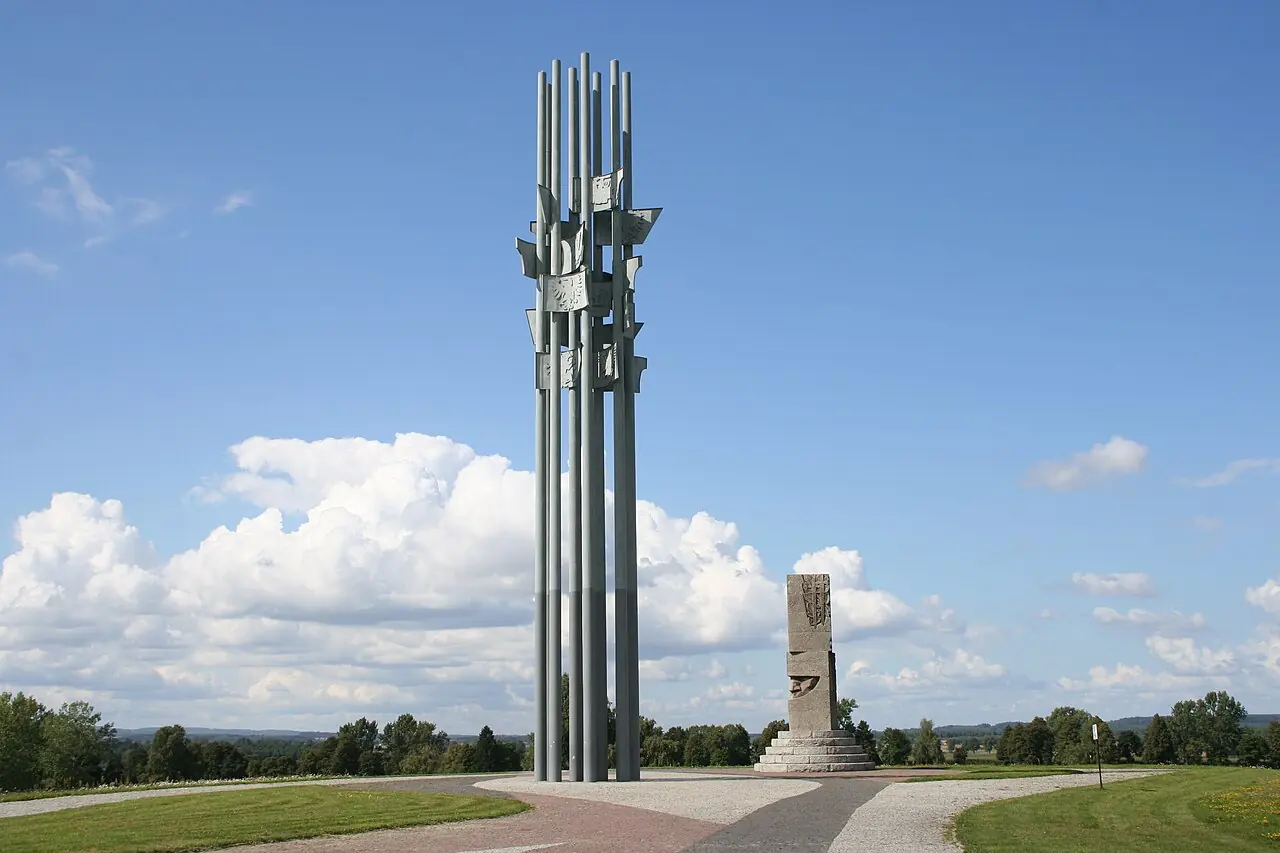 Photo Łukasz Niemiec, CC BY-SA 3.0 pl, Wikimedia Commons

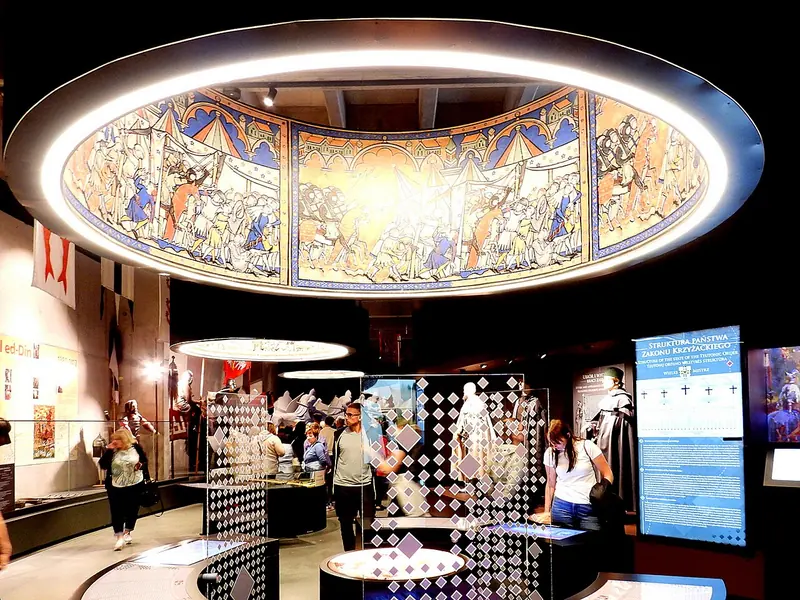 Photo Gorofil, CC0, Wikimedia Commons1
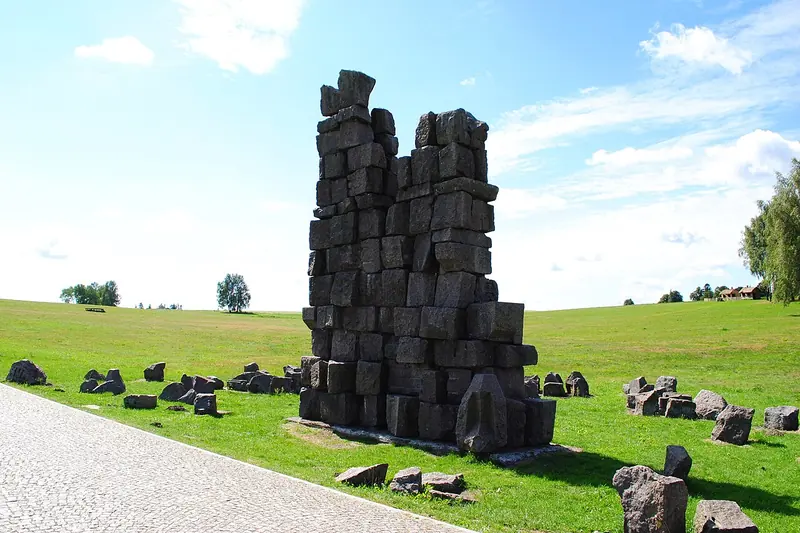 Photo Marek Mróz, CC BY-SA 4.0, Wikimedia Commons
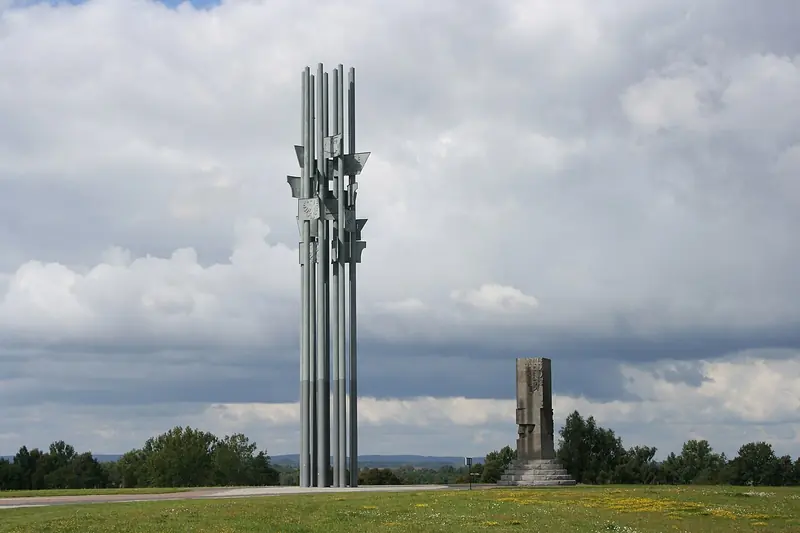 Photo Łukasz Niemiec, CC BY-SA 3.0 pl, Wikimedia Commons
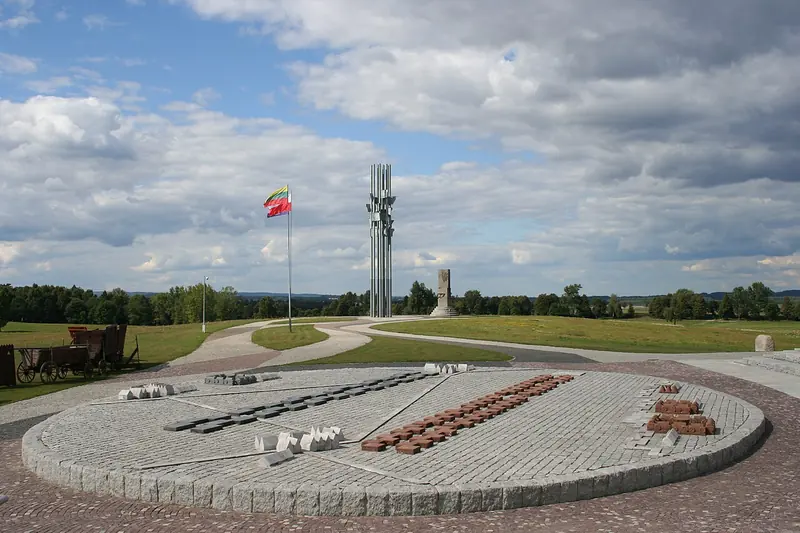 Photo Łukasz Niemiec, CC BY-SA 3.0 pl, Wikimedia Commons
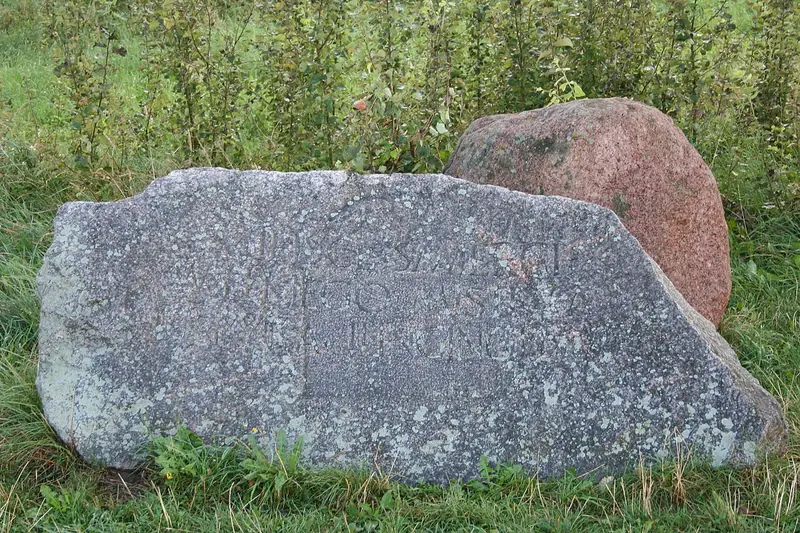 Photo Łukasz Niemiec, CC BY-SA 3.0 pl, Wikimedia Commons
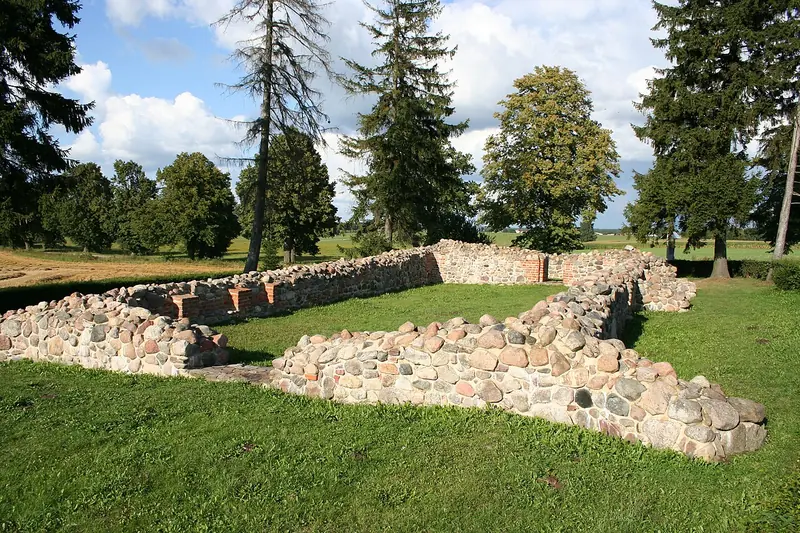 Photo Łukasz Niemiec, CC BY-SA 3.0 pl, Wikimedia Commons
 Photo Dawid Galus, CC BY-SA 3.0 pl, Wikimedia Commons
 Photo Schorle, CC BY-SA 3.0, Wikimedia Commons
 Photo 1bumer, CC BY-SA 4.0, Wikimedia Commons