Red-necked wallabies and emus ★Red-necked wallabies, also called Bennett's wallabies, come from eastern Australia and Tasmania; they are superb jumpers and can swim. They share their enclosure with emus, the second largest birds in the world after the ostrich. With emus, it is the male that incubates the eggs for 56 days and looks after the chicks. In 2023 baby wallabies and emu chicks were born here.
Eagles, vultures and condors ★In this part of the zoo, large birds of prey live in tall aviaries. The zoo's animal list includes cinereous vultures, which feed mainly on carrion and live from the Iberian Peninsula and the Balkans to Mongolia and China, and eastern imperial eagles from the steppes of Europe and Asia, which pair up for life. The eastern imperial eagle only occasionally strays into Poland.
Elands and ostriches ★The eland is one of the largest antelopes, and despite its massive build it can run at more than 70 km/h. It comes from the savannahs of Africa south of the Sahara and lives in herds of up to several dozen animals. It shares its paddock with ostriches: the largest and fastest of the flightless birds, which have only two toes on each foot.
Rheas and capybaras ★The capybara from South America is the largest living rodent: it weighs up to 66 kg, is an excellent swimmer and can stay underwater for up to 5 minutes. In the enclosure with a pool it lives together with greater rheas, large flightless birds from the South American pampas. With rheas, it is the male that incubates the eggs laid by several females in a shared nest and looks after the chicks on his own.
Humboldt penguins ★Humboldt penguins live on the rocky coasts of Peru and Chile, washed by the cold Humboldt Current, and feed mainly on fish. Their numbers in the wild are falling, so the species is part of the European breeding programme (EEP). The exhibit with a pool and rocks opened at Kraków Zoo in 2016. In season the penguins have feeding demonstrations twice a day.
Red pandas ★Red pandas come from mountain forests from Nepal to Myanmar and western China and eat mainly bamboo leaves. Despite their name, they are not related to the giant panda. In June 2022 the first red panda cub in the history of Kraków Zoo was born here, a female called Bona. Every day before noon there is a red panda feeding demonstration.
Meerkats and yellow mongooses ★Meerkats come from the dry savannahs of southern Africa and live in family groups. One of them is always on guard and warns the others, and then the whole colony disappears into its underground tunnels. They share their enclosure with yellow mongooses, which in the wild sometimes share burrows with meerkats. It is one of the first enclosures after the main entrance.
Flamingos ★Greater flamingos live on shallow lakes and lagoons in Africa, southern Europe and Asia. They eat with their heads upside down: they pump water through their bills and filter out tiny crustaceans and molluscs on horny plates. They nest in huge colonies and lay a single egg on a mound of mud. Their enclosure with a shallow pool is just past the main gate.
Egzotarium ★The Egzotarium opened in 1971 as a pavilion for fish, amphibians and reptiles. Behind the glass of the terrariums and aquariums you will see a yellow anaconda, Cuvier's dwarf caiman, a Fiji banded iguana, a Mexican beaded lizard and brightly coloured poison dart frogs, among others. New species arrive here from time to time, such as a Fiji banded iguana from Wuppertal Zoo in 2021 and an eastern newt in 2022.
Indian elephants ★Indian elephants come from the forests and grassy plains of South and South-East Asia. They live in herds led by an experienced female, and their pregnancy lasts about 21 months. The elephant paddock is right by the main entrance and can be seen well from the terrace of the café that opened in 2026. In season, in good weather, there are elephant feeding demonstrations every day.
Monkey House ★The modernised monkey house opened in 2005, and thanks to its indoor exhibits you can watch the monkeys all year round. Its residents include black crested mangabeys, tree-dwelling monkeys from the forests of central Africa that communicate with facial expressions; their young were born here in 2022 and 2023. Next door, a pavilion for chimpanzees and Japanese macaques is being built, with outdoor enclosures, a stream and a heated pool.
Pygmy hippos ★Pygmy hippos come from the forests and swamps of West Africa, and fewer than 3,000 are left in the wild. In March 2023 a pavilion opened for them, with an indoor pool and a corridor for visitors, and an outdoor enclosure with a pool and a winding stream. They are active mainly at night, and during the day they like to rest in the water or under cover. Despite their small size, they have fearsome tusks.
Cats ★Smaller wild cats live in this part of the zoo. Ocelots from the forests of Central and South America are excellent climbers and swimmers, and the servals from the African savannah, which live in the neighbouring enclosure, have such good hearing that they catch birds with a high leap. In 2022 young of both species were born here.
Chapman's zebras ★Chapman's zebra is a subspecies of the plains zebra from the savannahs of south-eastern Africa, named after the naturalist James Chapman. It lives in herds made up of a stallion, several mares and their foals, and when it flees from a lion or a hyena, it can reach 65 km/h. In 2021 a zebra foal was born here, and visitors chose its name.
South American tapirs ★South American tapirs come from the tropical forests and wetlands of northern South America. They are active mainly at night and are excellent swimmers and divers, and their smooth skin and wedge-shaped head help them push through dense undergrowth. The young are born with a brown coat with white stripes and spots, which camouflages them in the forest until they are about 9 months old. There is a pool in the enclosure.
Kulans and Bactrian camels ★Kulans are wild Asian asses from the steppes and semi-deserts of Kazakhstan and Turkmenistan; you can recognise them by the brown stripe running down the middle of their back to their tail. Next door live Bactrian camels, which walk with a pacing gait, putting down both legs on one side of the body at the same time. Their wild population is critically endangered, and calves were born in the Kraków herd in 2022 and 2023.
Rothschild's giraffes ★Rothschild's giraffes come from the savannahs of Kenya and Uganda, and the males of this subspecies are the tallest of all giraffes. Despite their long necks, they have only 7 vertebrae in them, like most mammals, and they walk with a pacing gait. They came to Kraków Zoo in 2013 and have a pavilion called the Żyrafiarnia (Giraffe House) and a grassy paddock. The Giraffe House also has a VR cinema with moving seats.
Big cats ★The big cats live in two pavilions with mesh-covered enclosures, built in 2007 and 2017 to replace the old cages. Opposite the second entrance are the enclosures of the snow leopards and the Asiatic lions, of which only about 500 live in the wild. The zoo is also home to a pair of Amur tigers, which on weekdays climb a tall pole to reach their meat during the feeding demonstration.
Red-crowned cranesThe red-crowned crane is the second largest species of crane. It lives in the marshes, rice fields and wet meadows of China, Mongolia, Japan and Korea, and in Asia it is seen as a symbol of happiness and faithfulness. It is vulnerable, mainly because its habitats are being destroyed, and it is part of the European breeding programme (EEP).
Nocturnal HouseThe Nocturnal House is a building for animals that are active at night, and it is marked with a bat on the zoo map. Kraków Zoo shows Egyptian fruit bats, fruit-eating bats from Africa and the Middle East. They live in colonies that sometimes number thousands of animals, and they are among the few fruit bats that find their way in the dark using echolocation.
Roan antelopesThe roan antelope is one of the largest antelopes, with a horse-like shape. It lives on African savannahs in herds with one dominant male. It has been at Kraków Zoo since April 2022: two females came from Monde Sauvage in Belgium and a male from Dvůr Králové in the Czech Republic. At the time no other Polish zoo had this species.
VicuñasThe vicuña is the smallest member of the camel family and the wild ancestor of the alpaca. It lives high in the Andes, up to 5,700 m above sea level, and has an unusually large heart, about half as heavy again as in other mammals of its size. Vicuñas live in family groups with one male, and in the past they were hunted in huge numbers for their superb-quality wool.
Defassa waterbucksThe defassa waterbuck is a large antelope from the savannahs and wetlands of western, central and southern Africa. Females with young keep together in groups of up to about 20 animals, while males form bachelor groups or live alone. For the first few weeks the young hide in the grass. In 2023 the Kraków herd grew with the birth of young.
AddaxThe addax is an antelope from the Sahara that copes extremely well without water. In the wild it is critically endangered because of illegal hunting for its meat and hide, so programmes to return it to the wild are running in Tunisia, Morocco and Chad. The species is part of the European breeding programme (EEP), and in 2023 the Kraków addax herd grew with the birth of young.
SitatungasSitatungas are antelopes from the swamps and wet forests of central and western Africa, and they are excellent swimmers. Males are bigger than females, have darker coats and are the only ones with horns. They stay in one area and are active both by day and at night. A European studbook (ESB) is kept for the species.
Waterbirds: large pondWaterbirds live on the large pond, and on the zoo map this place is marked with a great white pelican. Great white pelicans often fish together: they surround a shoal and drive it into the shallows, and the skin under their bill stretches like a huge pocket. In the wild they live in river deltas and on lakes in south-eastern Europe, Asia and Africa, and the chicks stay in the nest for about 3 months.
Bird aviariesBirds live in the aviaries along the path above the large pond, and on the zoo map they are marked with an Edwards's pheasant. This dark blue pheasant with red skin around its eyes comes from the humid mountain forests of central Vietnam and is critically endangered because of logging. It is part of the European breeding programme (EEP), and the female incubates her eggs in a nest on the ground.
Southern lechweThe southern lechwe, also simply called the lechwe, is an antelope from the marshy land along rivers and lakes in southern Africa. When in danger, it takes refuge in the water. It lives in small herds of up to a dozen or so animals, and the female feeds her young on milk until they are seven months old. The species is part of the European breeding programme (EEP).
Przewalski's horsesPrzewalski's horse is the wild ancestor of the domestic horse, from the steppes and semi-deserts of Central Asia. In 1969 it was declared extinct in the wild, and since 1992 captive-bred horses have been returning to the Asian steppes. By 2019 there were already 871 living in the wild. The species is part of the European breeding programme (EEP).
Waterbirds: small pondAfter a thorough renovation, the small pond reopened in September 2026. The birds have a spacious aviary and an indoor room, and visitors have a platform from which they can see them up close, as well as a window into the shelter. It is home to red-breasted geese, ferruginous ducks and common shelducks, and to wading birds: glossy ibises, spoonbills and avocets, species rarely seen in Poland.
OttersEurasian otters are excellent swimmers and feed mainly on fish. In the wild they live along rivers, lakes and coasts across almost all of Europe and much of Asia, and they enter their dens from underwater. They are loners, active mainly at night and at dusk; only females with young stay together. The species is part of the European breeding programme (EEP).
Porcupines and canidsIndian crested porcupines have long quills on their back and tail. When threatened, they raise them, turn their back on the attacker and defend themselves by striking with their tail. Next door live predators from the dog family, including bat-eared foxes: African foxes with huge ears they use to hear insects underground. Bat-eared foxes have 46 to 50 teeth, more than any other member of the dog family, and young were born here in 2023.
Maned wolvesThe maned wolf lives on the grassy plains of Brazil, Paraguay, Bolivia and Argentina. Indigenous people call it the big fox, and it raises the mane on its neck when it is alarmed. It is active in the evening and at night, and besides small animals it also eats fruit. Maned wolf pups have been born at Kraków Zoo before.
Red deerThe red deer is one of the largest members of the deer family and lives in all the larger forests in Poland. Stags carry spreading antlers, which they shed in late February or early March, and in early spring the antlers start to grow back; hinds have no antlers. During the rut, stags eat nothing at all for 3 to 4 weeks and only drink water. The enclosure lies in the western, wooded part of the zoo.
Andean condorsAndean condors live in the Andes, and their wingspan can exceed 3 metres. They are long-lived birds that can reach 70 years of age; you can recognise the male by the fleshy comb above his bill. Kraków Zoo has had great success breeding them: by 2024, 11 chicks had been reared here, and the female Beti, hatched in 2021, went to Chile in 2023 as part of a programme to return condors to the wild.
Pallas's catsThe Pallas's cat, or manul, is a wild cat from the steppes and mountains of Asia, from western Iran to China and Mongolia. Its colouring gives it perfect camouflage among the rocks, and it rests in their crevices during the day. It hunts at dusk, at night and early in the morning, mainly small rodents. Its English name, Pallas's cat, comes from the naturalist Peter Pallas, who was the first to describe the species.
Nilgai and Turkmenian markhorsThe nilgai is the largest antelope in Asia, from the forests and grassy plains of the Indian subcontinent; in India it is protected as a relative of the sacred cows. Next door live markhors, mountain goats from Central and South Asia, also called screw-horned goats. Their natural enemy is the snow leopard. Young markhors were born here in 2023.
BarasinghasThe barasingha is a deer from the swamps and grassy floodplains of India and Nepal, active in the morning and evening. It lives in herds of up to 20 animals, and during the rut a stag gathers a harem of hinds and defends it against rivals. In the wild it is hunted by the Bengal tiger. The species is part of the European breeding programme (EEP), and in 2023 the Kraków herd grew with the birth of young.
ReindeerReindeer live in the Arctic tundra of Eurasia and North America and can migrate as far as 2,000 km. Both males and females have antlers, although the females' are a little smaller. They eat grasses, lichens, mosses, leaves and buds. People have long kept reindeer for their milk and hides and used them to pull sledges and carry loads.
Milu deerThe milu, or Père David's deer, probably comes from the lowland marshes of China and is considered extinct in the wild. It was discovered in China by the missionary Armand David, described in France as a new species in 1866, and then these deer were brought to Europe. Since 1985 milu have been living in Chinese nature reserves again. According to Chinese descriptions, it has features of a deer, a cow and a donkey.
Reeves's muntjacsReeves's muntjac comes from the subtropical regions of China and from Taiwan. It is a small deer: an adult usually weighs 12 to 15 kg and stands about half a metre at the shoulder. Males have short, straight antlers and well-developed upper canines up to 6 cm long. In the mating season or when in danger, muntjacs make sounds like a barking dog.

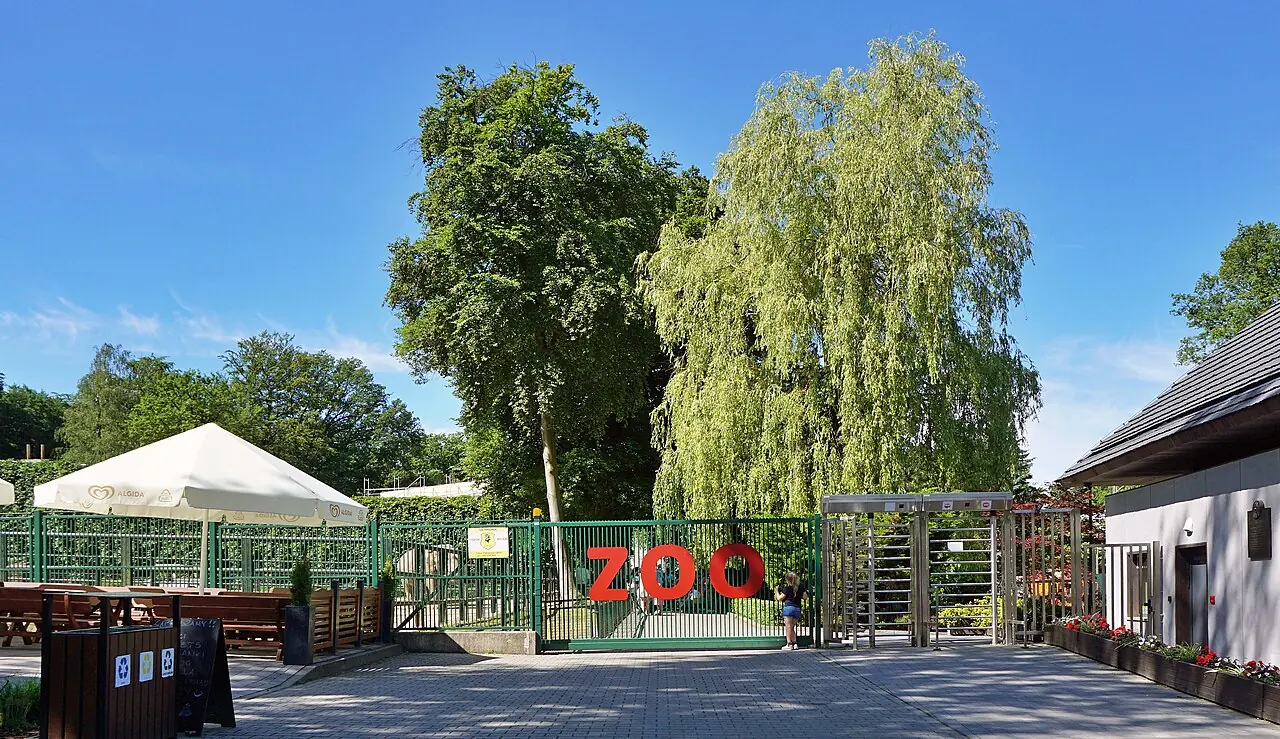 Photo Igor123121, CC BY 4.0, Wikimedia Commons

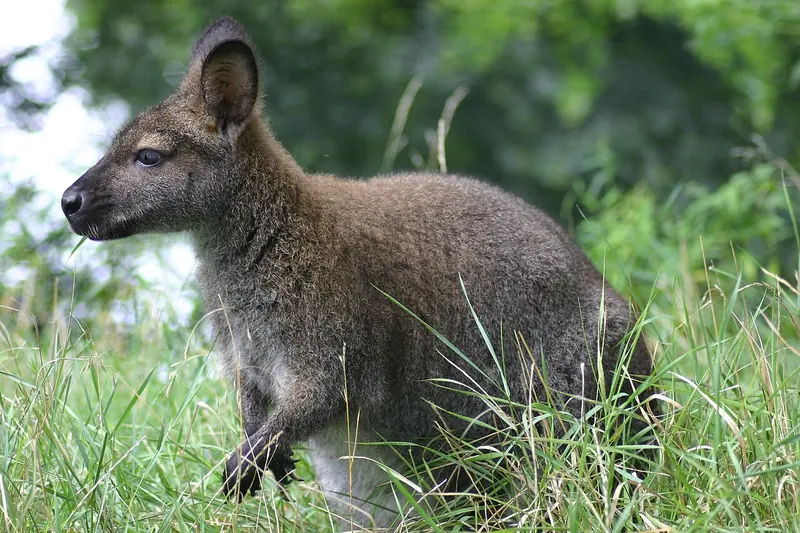 Photo Grendelkhan, CC BY-SA 3.0, Wikimedia Commons1
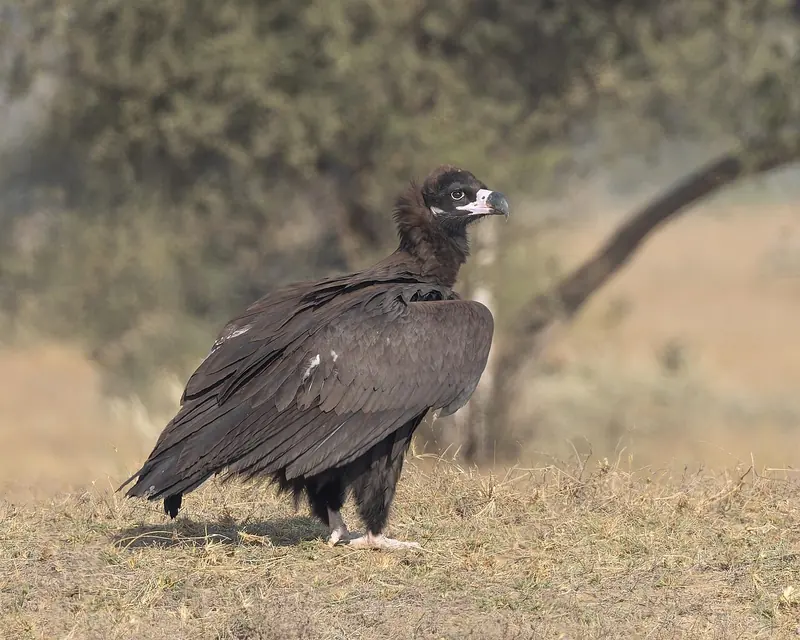 Photo Tisha Mukherjee, CC BY-SA 4.0, Wikimedia Commons
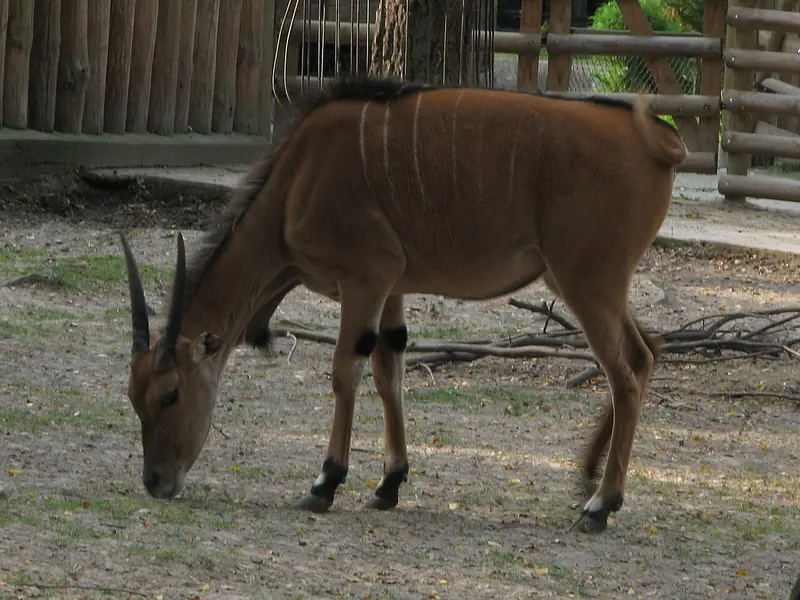 Photo Mistvan, CC BY-SA 3.0, Wikimedia Commons
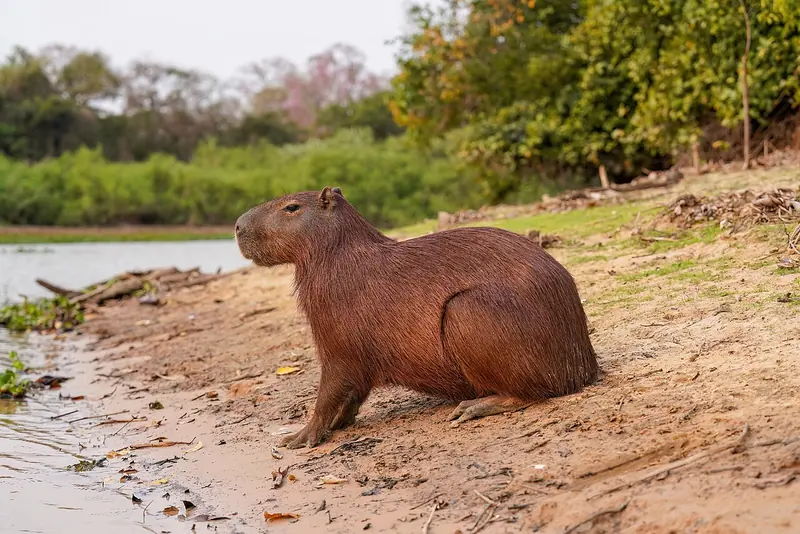 Photo Giles Laurent, CC BY-SA 4.0, Wikimedia Commons
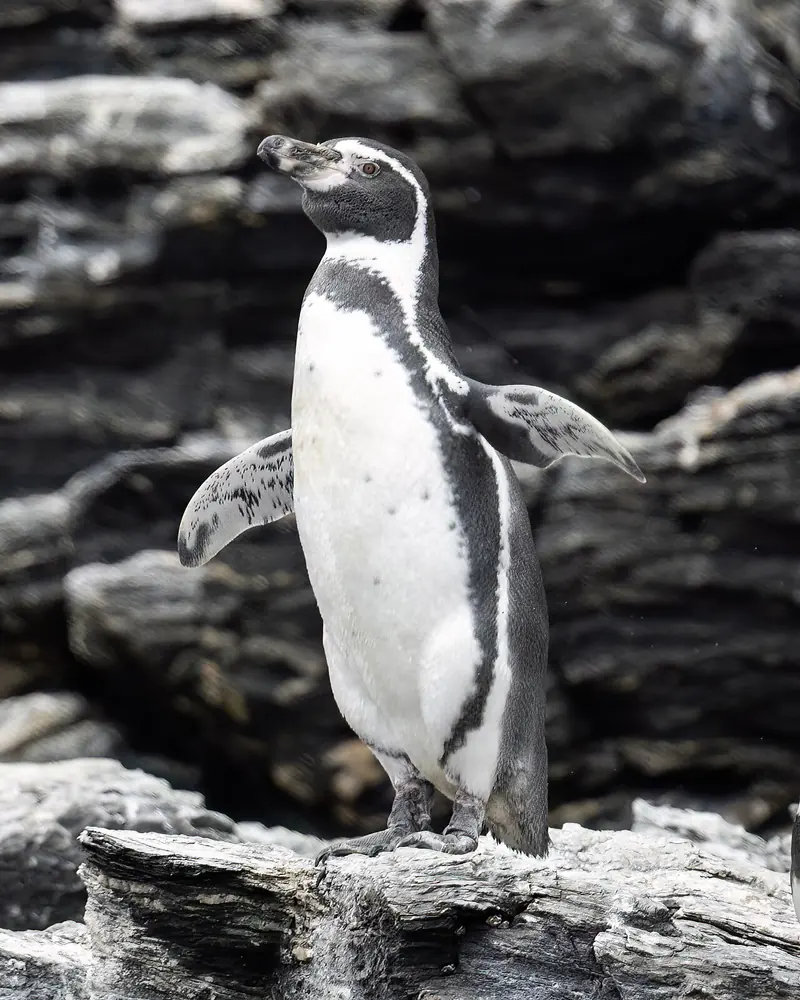 Photo Polinova, CC BY-SA 4.0, Wikimedia Commons
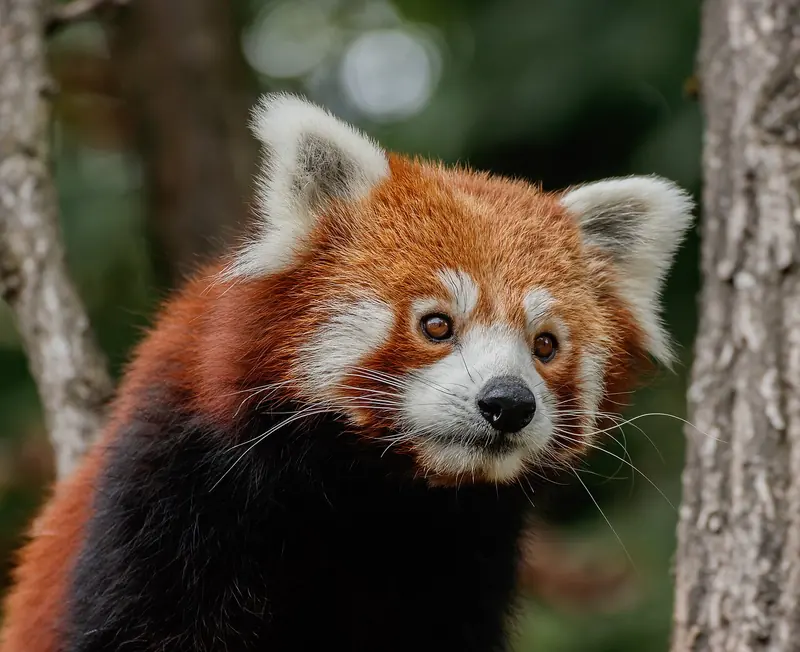 Photo H. Zell, CC BY-SA 3.0, Wikimedia Commons
 Photo Wilfredor, CC BY-SA 4.0, Wikimedia Commons
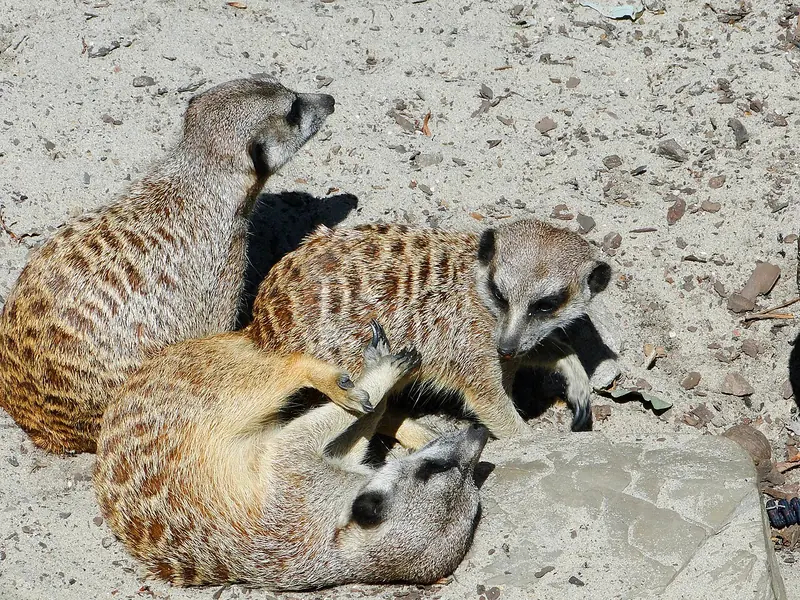 Photo Mateusz Giełczyński, CC BY-SA 4.0, Wikimedia Commons
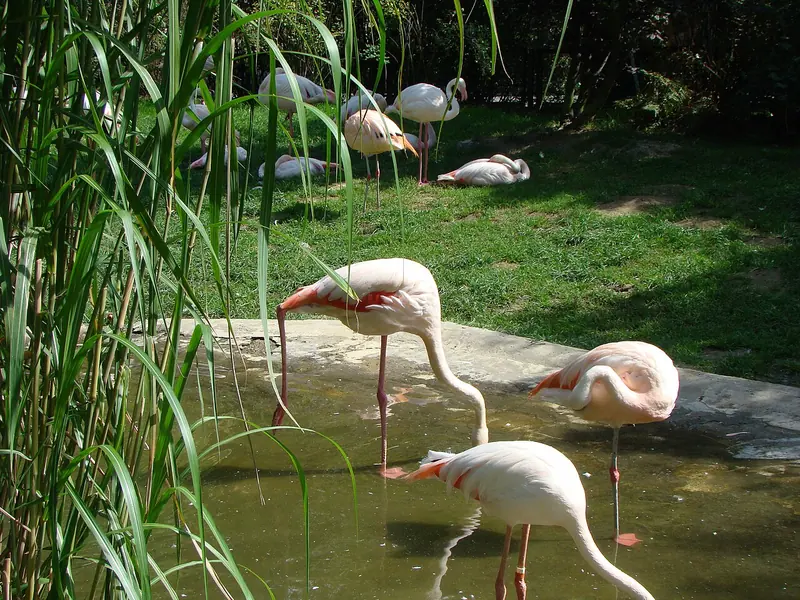 Photo Pibwl, CC BY-SA 4.0, Wikimedia Commons
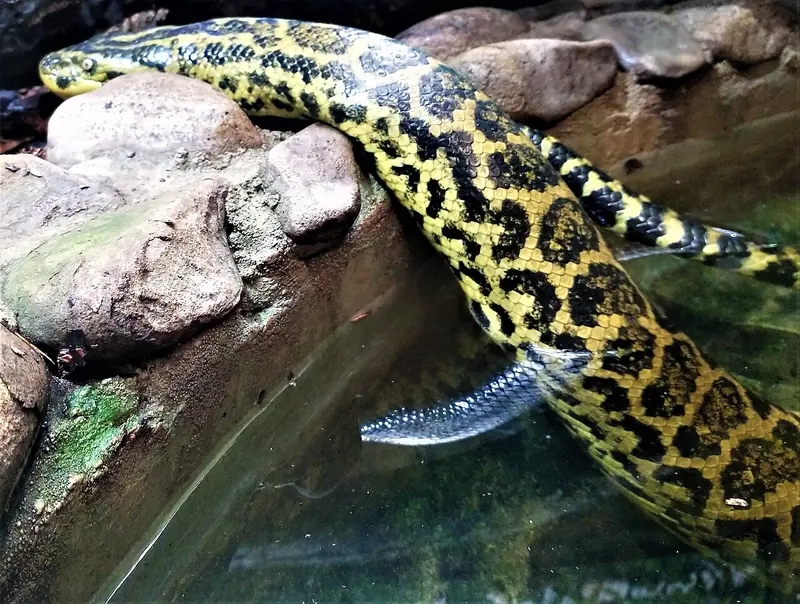 Photo MOs810, CC BY-SA 4.0, Wikimedia Commons
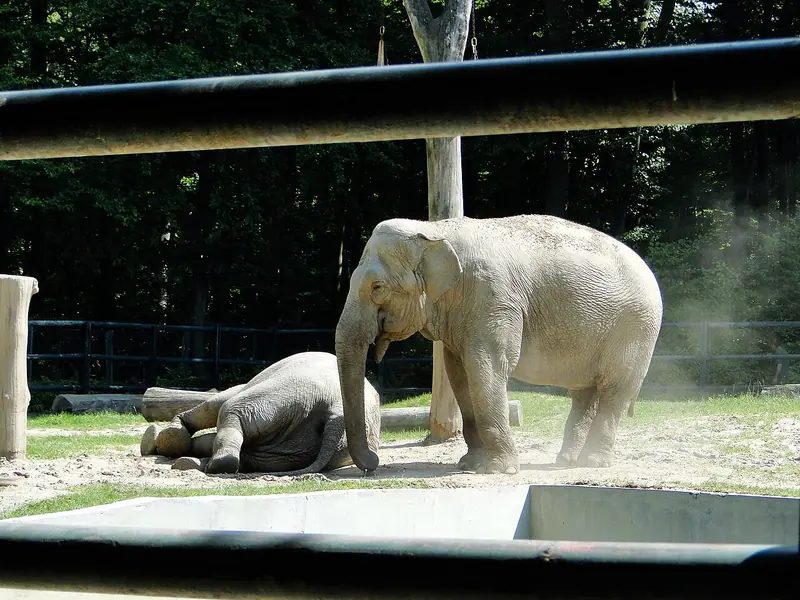 Photo Mateusz Giełczyński, CC BY-SA 4.0, Wikimedia Commons
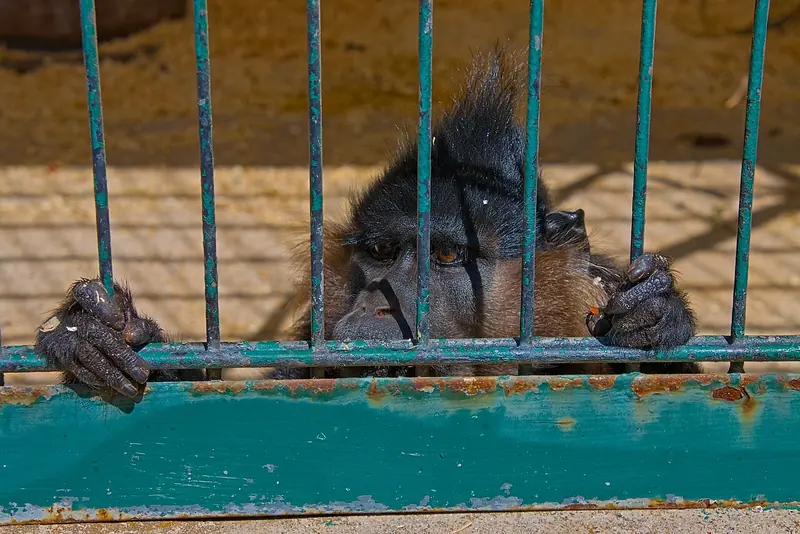 Photo Fabian Horst, CC BY-SA 4.0, Wikimedia Commons
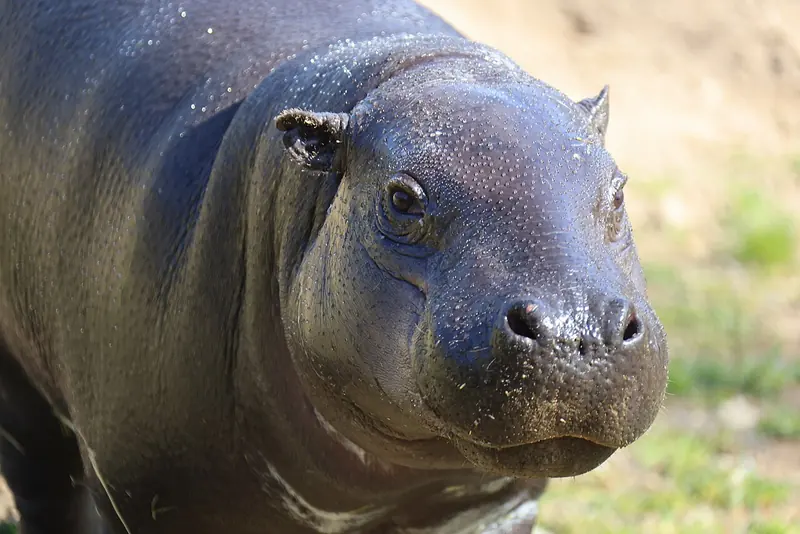 Photo Parc Animalier d'Auvergne, CC BY-SA 4.0, Wikimedia Commons
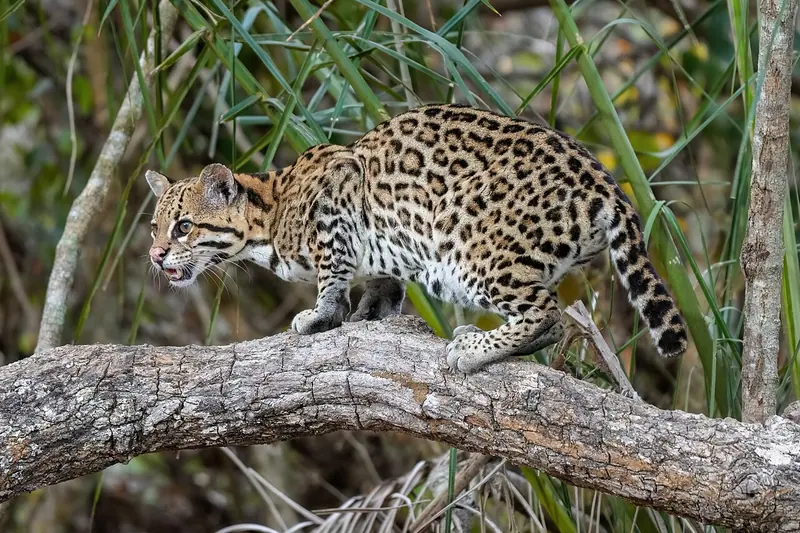 Photo Giles Laurent, CC BY-SA 4.0, Wikimedia Commons
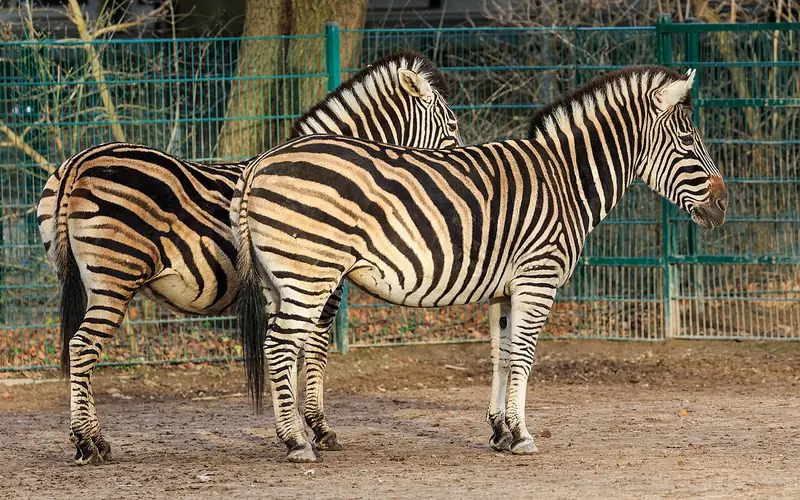 Photo A.Savin, FAL, Wikimedia Commons
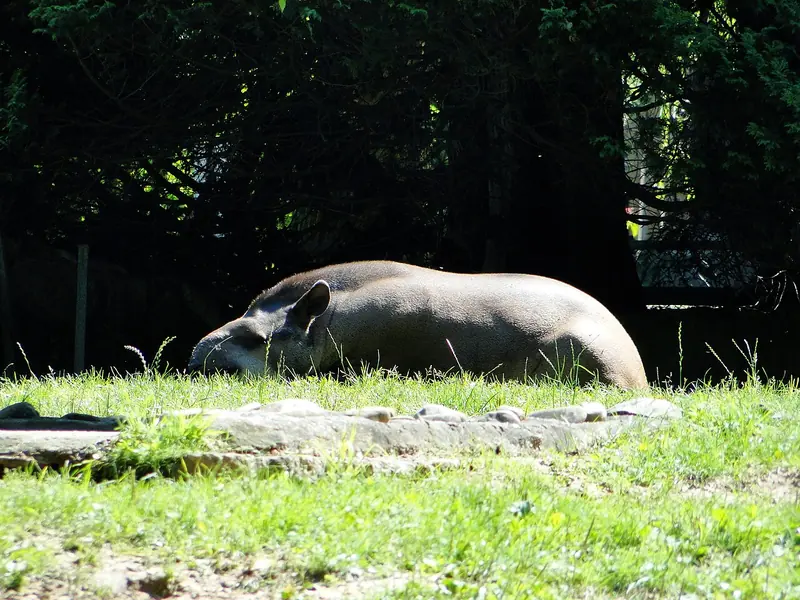 Photo Mateusz Giełczyński, CC BY-SA 4.0, Wikimedia Commons
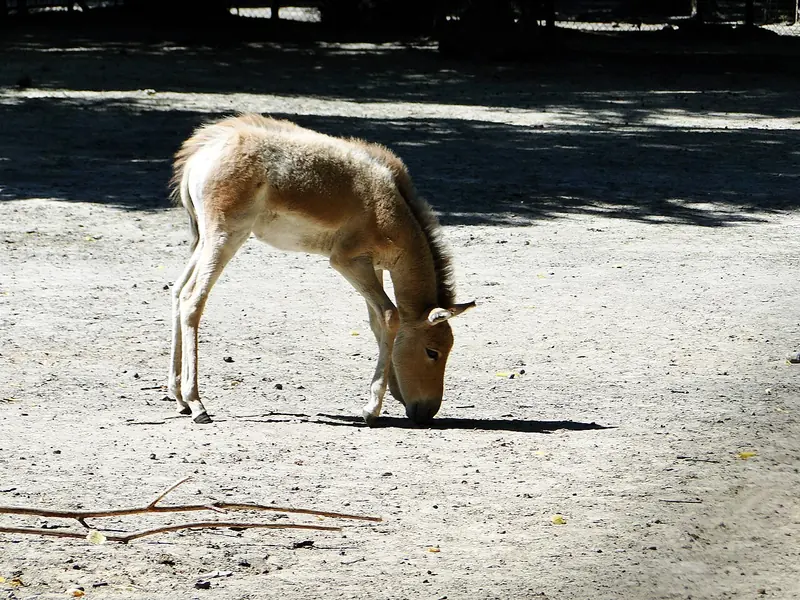 Photo Mateusz Giełczyński, CC BY-SA 4.0, Wikimedia Commons
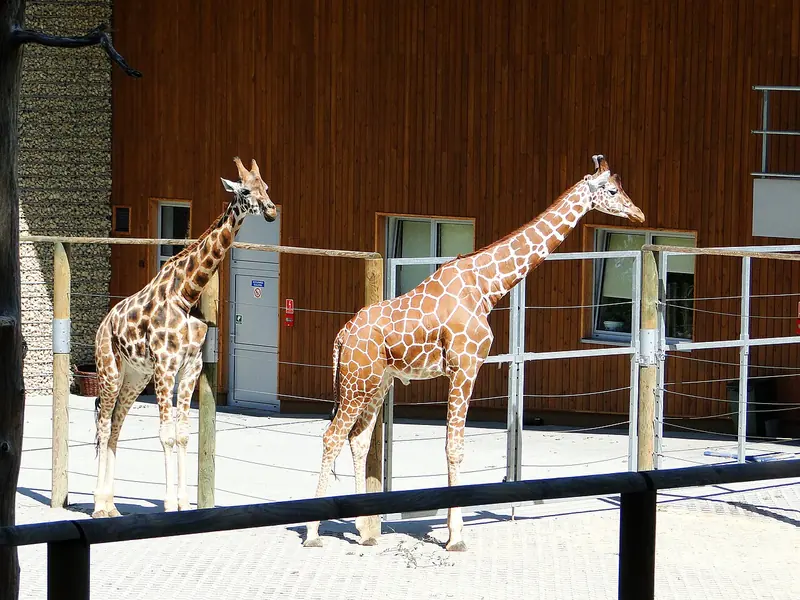 Photo Mateusz Giełczyński, CC BY-SA 4.0, Wikimedia Commons
 Photo Mateusz Giełczyński, CC BY-SA 4.0, Wikimedia Commons
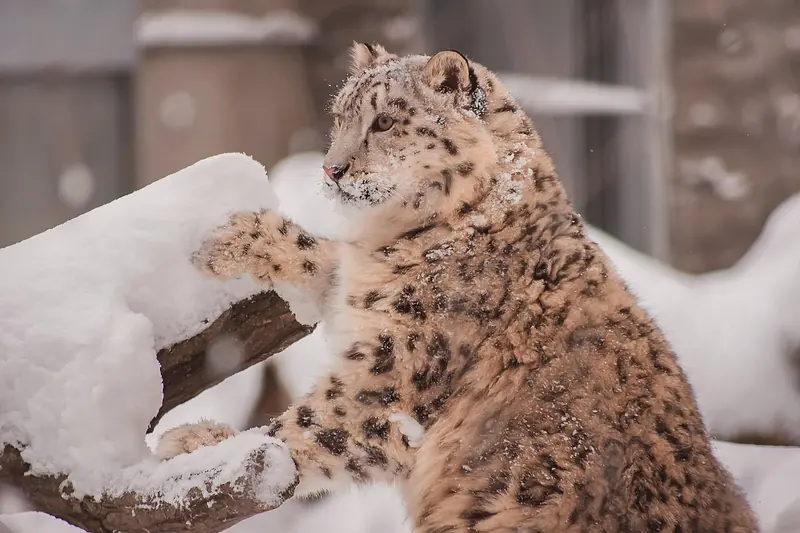 Photo Aneta Pawska, CC BY 4.0, Wikimedia Commons
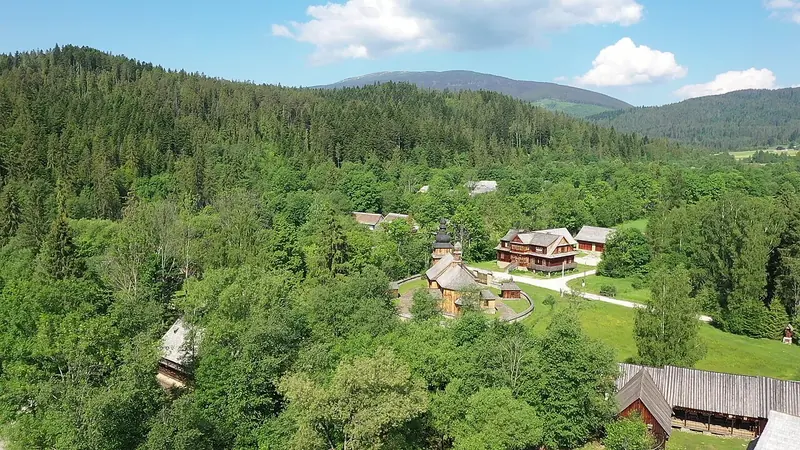 Photo Zontarlj, CC BY-SA 4.0, Wikimedia Commons
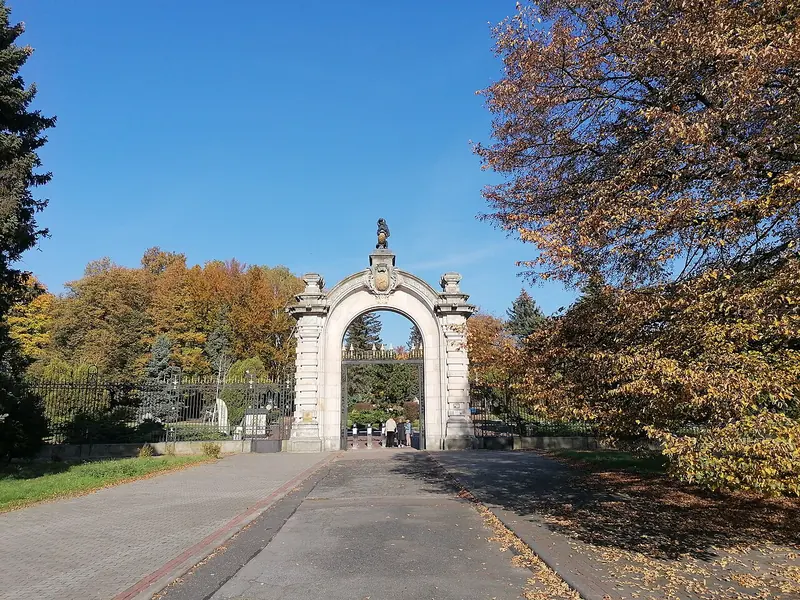 Photo Abraham, CC BY-SA 4.0, Wikimedia Commons
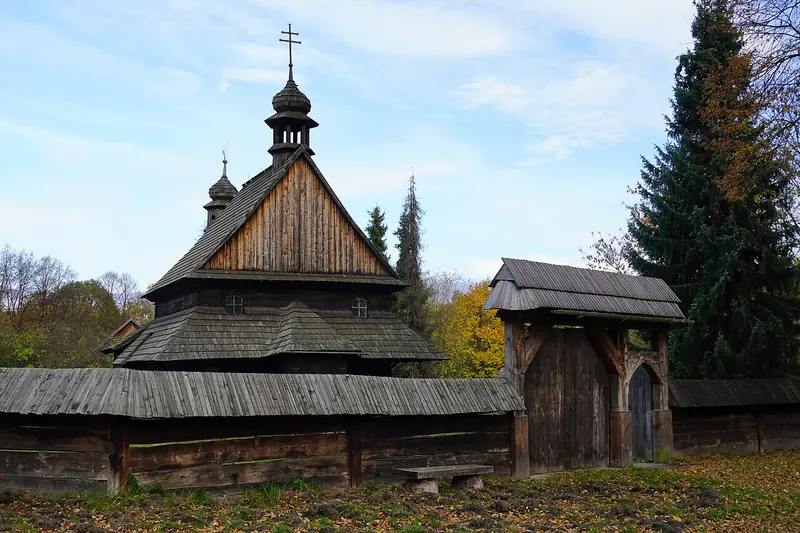 Photo Krzysztof Bulla, CC BY-SA 4.0, Wikimedia Commons