Poznań Old Town with children: what to see, map and route
Old Market Square and Cathedral Island in Poznań. In the Turi app, the same map shows your position, guides you from point to point and lets you tick off the places you’ve visited.
free entrymuseums and towers have separate tickets
The walk starts at the tourist information office on the Old Market Square and ends at Porta Posnania in Śródka, about 1.5 km east of the square. From there you can return to the centre by tram from the Śródka roundabout or on foot in 20 minutes. If you are already in the old town, Turi will guide you from the nearest point. The goats appear on the town hall tower at noon and at 3 pm, so plan the walk to be on the square then. The route is flat and easy with a pushchair, apart from the climb up Przemysł Hill and the castle tower. Walking around the city is free. Tickets are needed for the Croissant Museum, the castle tower, the scale model show, the cathedral crypt, the Genius Loci reserve and Porta Posnania, among others. There are toilets on the Old Market Square, by Freedom Square, on Cathedral Island and in Porta Posnania.
At home, open the place in Turi and tap “Save for offline”: the map, descriptions and photos will work without signal.
Visit the furthest points first, while the kids still have energy.
Tick things off as you go, and by the exit you’ll know what’s left.
Poznań Old Town in the Turi app
Live position, a route from point to point, descriptions to read and listen to. Free, no account, and in English, German and Ukrainian too.
The same map as in the app. Tap a point to see its photo and description; in Turi you’ll see yourselves on it too.
1recommended, in route orderother pointsWCtoilets, food, tickets
Map: OpenStreetMap (ODbL). Descriptions and photos: Turi and Wikimedia Commons. Something not right? Report it in the app at that point.
Worth seeing
In Poznań everything revolves around the goats: at noon they butt heads on the town hall tower, and a few streets away two bronze ones are waiting for you to climb on. The walk starts on the Old Market Square, one of the largest in Poland, among the colourful merchants' houses and fountains. It then leads up the hill to the Royal Castle, across Freedom Square with a fountain you can walk through, to the pink Parish Church. The second part of the route is Cathedral Island, where Mieszko I built his stronghold and the first Polish cathedral. The finale is at Porta Posnania, where the whole story comes together.
Photo Maatex, CC BY-SA 3.0 pl, Wikimedia Commons1
Attraction
Merchants' Houses
This row of narrow, colourful arcaded houses is the most photographed spot on the square. They were built in the first half of the 16th century for poorer merchants. Herring, salt, candles and torches were sold under the arcades, which is why they were called the herring stalls. On one of the houses you will find a coat of arms with three palm trees and a herring. It is the emblem of the stallholders' guild, the very merchants who traded here. Count how many colours the houses have.
Photo Dennis G. Jarvis, CC BY-SA 2.0, Wikimedia Commons2
Attraction
Proserpina Fountain
The oldest and most ornate of the four fountains on the square. Augustyn Schöps carved it from sandstone and finished it in 1766. The sculpture shows a scene from a myth: Pluto, ruler of the underworld, carries off Proserpina, daughter of the goddess of the harvest. On the other corners of the square stand the fountains of Apollo, Neptune and Mars. They are much younger and were built in this century where old wells used to be. Try to find all four.
Photo Michalpe96, CC BY-SA 4.0, Wikimedia Commons3
Building / monument
Town Hall and the goats
Poznań's most famous building and one of the finest Renaissance town halls in Europe. The three storeys of arcades facing the square were added between 1550 and 1560 by the Italian architect Giovanni Battista di Quadro. Every day at noon a bugler plays from the tower, a little door opens above the clock and two tin goats butt heads twelve times. There is a second show at 3 pm. Legend has it that a kitchen boy called Pietrek burnt the roast for the feast celebrating the new clock and brought two goats instead, but they escaped up the tower. The amused governor ordered them to be added to the clock.
Photo Аимаина хикари, CC0, Wikimedia Commons4
Attraction
Croissant Museum of Poznań
In a townhouse opposite the town hall you will learn everything about the St Martin's croissant. It is a sweet croissant filled with white poppy seeds, baked in Poznań for 11 November, St Martin's Day. Its shape is said to recall the horseshoe lost by the saint's horse. The name of the croissant is protected across the European Union. During the show visitors help with the dough and pick up a few words of the Poznań dialect. The entrance is from Klasztorna Street, and it is worth booking a place in advance.
Photo kwolana, CC BY-SA 3.0, Wikimedia Commons5
Attraction
Bamberka Well
A bronze girl carries two wine cans on a yoke. She wears the festive dress of the Bambers, settlers from around Bamberg in Germany who moved to the villages near Poznań in the 18th century and in time became locals. The well was unveiled in 1915. The model for the sculptor was Jadwiga, who worked in a nearby wine shop. The stone basin once served as a drinking trough for horses.
Photo Diego Delso, CC BY-SA 4.0, Wikimedia Commons6
Building / monument
Royal Castle
On the hill above the square stood one of the oldest royal residences in Poland. The castle was begun in the 13th century and was home to Duke Przemysł II, who became king in 1295. The crowned eagle from his seal became the model for Poland's coat of arms. The castle was destroyed several times. The tower and main building were rebuilt between 2010 and 2013. Inside is the Museum of Applied Arts, and from the tower you can see the whole Old Market Square and the town hall from above.
Photo Igor123121, CC BY 4.0, Wikimedia Commons7
Attraction
Freedom Fountain
Two glass wings, shaped like sails, rise about 9 metres above Freedom Square. Water runs down them in a thin film and a footbridge leads between the wings, so on a hot day you can walk through the middle of the fountain and feel the cool mist. After dark the fountain glows in colours. It has been working since 2012. The square itself has had its name since 1919, when soldiers of the Greater Poland Uprising took their oath here.
Photo Diego Delso, CC BY-SA 4.0, Wikimedia Commons8
Building / monument
Poznań Parish Church
The pink façade at the end of Świętosławska Street announces one of the most beautiful Baroque churches in Poland. The Jesuits began building it in 1651 and the work took more than half a century. Inside, everything is huge and theatrical. The sixteen columns of red artificial marble hold nothing up, they are there only for decoration. The organ was built in the 19th century by the famous master Friedrich Ladegast and is still played at concerts. Go in quietly, as this is a working church.
Photo Dennis G. Jarvis, CC BY-SA 2.0, Wikimedia Commons9
Attraction
Goats Monument
The goats on the town hall tower can only be watched from afar, but these are within arm's reach. The two bronze billy goats butting heads were placed on Kolegiacki Square in 2002. They were made by the sculptor Robert Sobociński. You are allowed to climb on them, which is why their backs and horns are polished to a shine. It is the best spot for a souvenir photo from Poznań.
Photo MNS Design, CC BY-SA 3.0 pl, Wikimedia Commons10
Building / monument
Poznań Cathedral
This is where Poland began. The stronghold of Mieszko I stood on Cathedral Island, and in 968 the first Polish bishopric was founded here. Poznań Cathedral is the oldest in the country. The one you see was built of brick in the 14th and 15th centuries and rebuilt after the last war. Behind the altar is the Golden Chapel with the tomb and statues of Mieszko I and Bolesław the Brave. In the crypt you can see the remains of the first stone cathedral from a thousand years ago and the places where the first rulers were probably buried.
Photo Błażej Cisowski, CC BY-SA 3.0 pl, Wikimedia Commons11
Attraction
Bishop Jordan Bridge
The red bridge for walkers and cyclists links Cathedral Island with Śródka, a former little town on the other bank of the Cybina. Its steel span is more than a hundred years old. It used to be part of St Roch's Bridge over the Warta, and when that bridge was taken down the span was brought here in one piece. The bridge is named after Jordan, the first bishop of Poland. From the middle there is a good view of the cathedral towers, and couples hang padlocks on the railings.
Photo Kapsuglan, CC BY-SA 3.0, Wikimedia Commons12
Building / monument
Porta Posnania
The concrete cube above the Cybina is Porta Posnania, a modern centre that tells the story of Cathedral Island and the beginnings of Poland. Instead of display cases there are light, films, models and screens, and families with children have their own route. Through a gap in the building the cathedral appears as if framed. A covered footbridge over the river leads to the former Cathedral Lock, part of the Prussian fortress. It is a good finale to the walk: everything you saw along the way comes together here into one story.
All points (30)
Grouped as in the map legend. A star marks recommended points.
Attraction 10
Merchants' Houses ★This row of narrow, colourful arcaded houses is the most photographed spot on the square. They were built in the first half of the 16th century for poorer merchants. Herring, salt, candles and torches were sold under the arcades, which is why they were called the herring stalls. On one of the houses you will find a coat of arms with three palm trees and a herring. It is the emblem of the stallholders' guild, the very merchants who traded here. Count how many colours the houses have.
Proserpina Fountain ★The oldest and most ornate of the four fountains on the square. Augustyn Schöps carved it from sandstone and finished it in 1766. The sculpture shows a scene from a myth: Pluto, ruler of the underworld, carries off Proserpina, daughter of the goddess of the harvest. On the other corners of the square stand the fountains of Apollo, Neptune and Mars. They are much younger and were built in this century where old wells used to be. Try to find all four.
Croissant Museum of Poznań ★In a townhouse opposite the town hall you will learn everything about the St Martin's croissant. It is a sweet croissant filled with white poppy seeds, baked in Poznań for 11 November, St Martin's Day. Its shape is said to recall the horseshoe lost by the saint's horse. The name of the croissant is protected across the European Union. During the show visitors help with the dough and pick up a few words of the Poznań dialect. The entrance is from Klasztorna Street, and it is worth booking a place in advance.
Bamberka Well ★A bronze girl carries two wine cans on a yoke. She wears the festive dress of the Bambers, settlers from around Bamberg in Germany who moved to the villages near Poznań in the 18th century and in time became locals. The well was unveiled in 1915. The model for the sculptor was Jadwiga, who worked in a nearby wine shop. The stone basin once served as a drinking trough for horses.
Freedom Fountain ★Two glass wings, shaped like sails, rise about 9 metres above Freedom Square. Water runs down them in a thin film and a footbridge leads between the wings, so on a hot day you can walk through the middle of the fountain and feel the cool mist. After dark the fountain glows in colours. It has been working since 2012. The square itself has had its name since 1919, when soldiers of the Greater Poland Uprising took their oath here.
Goats Monument ★The goats on the town hall tower can only be watched from afar, but these are within arm's reach. The two bronze billy goats butting heads were placed on Kolegiacki Square in 2002. They were made by the sculptor Robert Sobociński. You are allowed to climb on them, which is why their backs and horns are polished to a shine. It is the best spot for a souvenir photo from Poznań.
Bishop Jordan Bridge ★The red bridge for walkers and cyclists links Cathedral Island with Śródka, a former little town on the other bank of the Cybina. Its steel span is more than a hundred years old. It used to be part of St Roch's Bridge over the Warta, and when that bridge was taken down the span was brought here in one piece. The bridge is named after Jordan, the first bishop of Poland. From the middle there is a good view of the cathedral towers, and couples hang padlocks on the railings.
PilloryThe stone pillar in front of the town hall was put up in 1535. Thieves and cheats were chained to it so that the whole town could see them. The money for it came from fines paid by maids and barmaids for wearing dresses that were too fancy. On top stands an executioner dressed as a knight with a raised sword, a sign that the Poznań court could pass the heaviest sentences. The pillar you see is a copy from 1925, and the original went to a museum.
Old Marych MonumentAn elderly man in a flat cap pushes a bicycle with a briefcase slung over the handlebars. This is Old Marych, the hero of radio tales who talked about city life in the Poznań dialect. In that dialect potatoes are pyry and a tram is a bimba. The monument went up in 2001 after the people of Poznań chose Marych in a vote. His face is that of the actor Marian Pogasz, who read the tales on the radio for years. You can stand next to him and grab the handlebars.
Genius Loci Archaeological ReserveIn this modern pavilion you can look into an archaeological dig. Through the glass floor you can see the foundations of a wall from the time of Bishop Lubrański, and in the main hall a section of the rampart that surrounded Mieszko I's stronghold in the 10th century has been uncovered. The rampart was built of timber, stones and earth. Screens and holograms show how it was made and what life in the stronghold looked like. The reserve opened in 2012 and is a branch of the Archaeological Museum.
Building / monument 12
Town Hall and the goats ★Poznań's most famous building and one of the finest Renaissance town halls in Europe. The three storeys of arcades facing the square were added between 1550 and 1560 by the Italian architect Giovanni Battista di Quadro. Every day at noon a bugler plays from the tower, a little door opens above the clock and two tin goats butt heads twelve times. There is a second show at 3 pm. Legend has it that a kitchen boy called Pietrek burnt the roast for the feast celebrating the new clock and brought two goats instead, but they escaped up the tower. The amused governor ordered them to be added to the clock.
Royal Castle ★On the hill above the square stood one of the oldest royal residences in Poland. The castle was begun in the 13th century and was home to Duke Przemysł II, who became king in 1295. The crowned eagle from his seal became the model for Poland's coat of arms. The castle was destroyed several times. The tower and main building were rebuilt between 2010 and 2013. Inside is the Museum of Applied Arts, and from the tower you can see the whole Old Market Square and the town hall from above.
Poznań Parish Church ★The pink façade at the end of Świętosławska Street announces one of the most beautiful Baroque churches in Poland. The Jesuits began building it in 1651 and the work took more than half a century. Inside, everything is huge and theatrical. The sixteen columns of red artificial marble hold nothing up, they are there only for decoration. The organ was built in the 19th century by the famous master Friedrich Ladegast and is still played at concerts. Go in quietly, as this is a working church.
Poznań Cathedral ★This is where Poland began. The stronghold of Mieszko I stood on Cathedral Island, and in 968 the first Polish bishopric was founded here. Poznań Cathedral is the oldest in the country. The one you see was built of brick in the 14th and 15th centuries and rebuilt after the last war. Behind the altar is the Golden Chapel with the tomb and statues of Mieszko I and Bolesław the Brave. In the crypt you can see the remains of the first stone cathedral from a thousand years ago and the places where the first rulers were probably buried.
Porta Posnania ★The concrete cube above the Cybina is Porta Posnania, a modern centre that tells the story of Cathedral Island and the beginnings of Poland. Instead of display cases there are light, films, models and screens, and families with children have their own route. Through a gap in the building the cathedral appears as if framed. A covered footbridge over the river leads to the former Cathedral Lock, part of the Prussian fortress. It is a good finale to the walk: everything you saw along the way comes together here into one story.
GuardhouseThis low building with columns is the former guardhouse. It was built between 1783 and 1787 for the guard that kept order in the town. Today it houses the Museum of the Greater Poland Uprising. It was one of the few Polish uprisings that ended in victory. It broke out in Poznań on 27 December 1918, the day after the pianist Ignacy Paderewski arrived, and thanks to it the region returned to Poland.
Działyński PalaceThis pale palace, built from 1773 to 1776, stands out among the townhouses. Look at the very top: a bird with spread wings sits there. It is a pelican, a symbol of sacrifice, but under foreign rule the people of Poznań saw it as the Polish eagle. From 1808 to 1880 the palace belonged to the Działyński family, and today it houses a branch of the Kórnik Library.
Franciscan Church and the Model of Old PoznańThe yellow Baroque church with two towers stands at the foot of the castle hill. In its vaults there is something for the curious: huge scale models. The largest shows Poznań in 1618, with its walls, towers and every single house. During the show the lights go out, lightning flashes over the town, smoke rises and a fire breaks out. Another model shows the stronghold of the first Piast rulers on Cathedral Island, which you will reach at the end of the walk. The entrance is from Ludgardy Street.
Raczyński LibraryThis long pale building with a row of columns is the oldest public library in Poznań. Count Edward Raczyński founded it and opened it to all residents in 1829. The façade with twelve pairs of cast-iron columns is modelled on the Louvre in Paris. Under foreign rule the library was an important home of Polish culture. A modern wing with the lending library and reading rooms has been added at the back.
Jesuit CollegeThe red and white building next to the parish church is the former Jesuit school, one of the best in old Poland. It operated from 1572 to 1773. In November 1806 Napoleon lived here for almost three weeks, and later guests included Frédéric Chopin. Today it is the office of the Mayor of Poznań. You can walk through the gate into the courtyard and rest on the benches among the trees.
Górka Palace and the Archaeological MuseumThe palace was built from 1545 to 1549 by the Górka family, then one of the richest in the region. What remains of its former splendour is a Renaissance portal on Klasztorna Street and an arcaded courtyard. Today it houses the Archaeological Museum. In the courtyard stands an Egyptian obelisk of Pharaoh Ramesses II, more than three thousand years old, and inside you can see exhibitions about ancient Egypt and the beginnings of the region.
Church of the Blessed Virgin Mary and the Psalter HouseThe small Gothic church opposite the cathedral was built between 1430 and 1447. Beneath it archaeologists found the remains of the palatium, the stone palace of Mieszko I, and right next to it traces of a round chapel. Beside the church stands a house with a stepped gable. This is the Psalter House from the early 16th century. Twelve singers lived in it and sang psalms in the cathedral every day.
Toilets / tickets / parking 8
Tourist information on the Old Market SquareThe Tourist Information Centre is on the south side of the Old Market Square, at number 59/60. You can pick up a free city map here and check museum opening hours. The town hall is a minute's walk away.

 Photo Xysio1984, CC BY-SA 4.0, Wikimedia Commons

 Photo Maatex, CC BY-SA 3.0 pl, Wikimedia Commons1
 Photo Dennis G. Jarvis, CC BY-SA 2.0, Wikimedia Commons
 Photo Michalpe96, CC BY-SA 4.0, Wikimedia Commons
 Photo Аимаина хикари, CC0, Wikimedia Commons
 Photo kwolana, CC BY-SA 3.0, Wikimedia Commons
 Photo Diego Delso, CC BY-SA 4.0, Wikimedia Commons
 Photo Igor123121, CC BY 4.0, Wikimedia Commons
 Photo Diego Delso, CC BY-SA 4.0, Wikimedia Commons
 Photo Dennis G. Jarvis, CC BY-SA 2.0, Wikimedia Commons
 Photo MNS Design, CC BY-SA 3.0 pl, Wikimedia Commons
 Photo Błażej Cisowski, CC BY-SA 3.0 pl, Wikimedia Commons
 Photo Kapsuglan, CC BY-SA 3.0, Wikimedia Commons
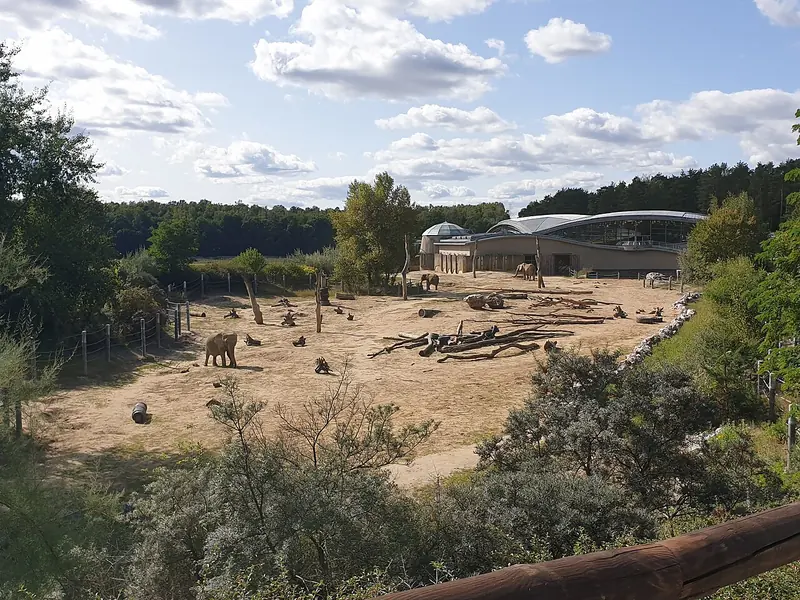 Photo Mateusz Giełczyński, CC BY-SA 4.0, Wikimedia Commons
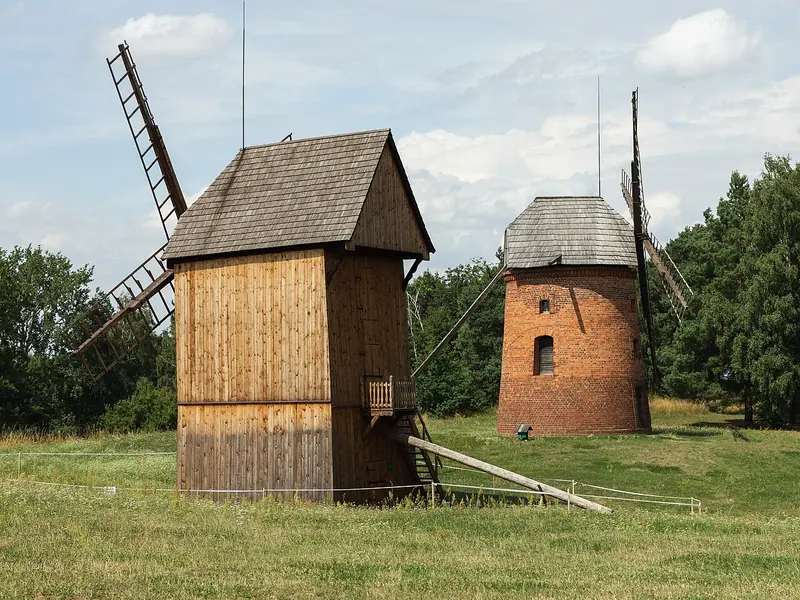 Photo Łukasz Bakuła, CC BY-SA 4.0, Wikimedia Commons
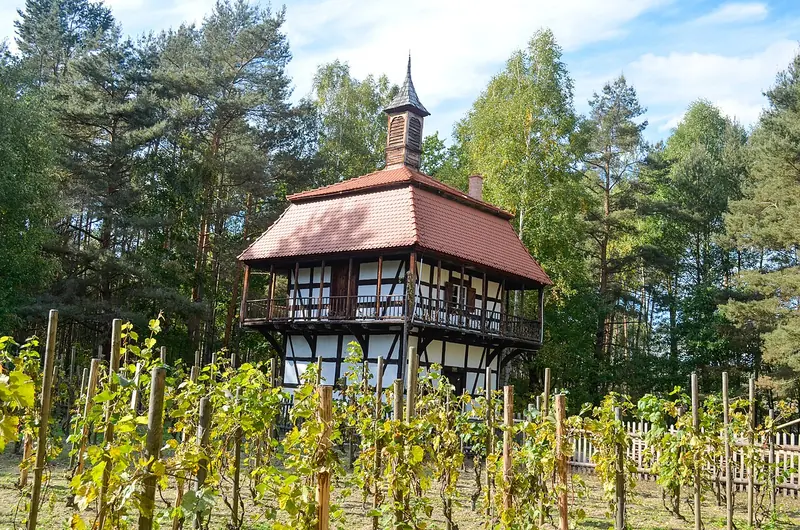 Photo Asiasmok, CC BY-SA 3.0 pl, Wikimedia Commons