Photo Diego Delso, CC BY-SA 4.0, Wikimedia Commons
CastleKórnik, Greater Poland
Kórnik Castle with children: what to see, map and route
Kórnik Castle and Arboretum. In the Turi app, the same map shows your position, guides you from point to point and lets you tick off the places you’ve visited.
The walk starts at the bridge to the castle on Zamkowa Street, next to the arboretum entrance. Leave your car at the paid car park at the castle or at Prowent, about 5 minutes on foot. The arboretum is open every day all year round; in season there is an entry fee, and castle tickets are sold separately. The free toilets in the arboretum are open from May to September, and there is a paid one at the entrance. Dogs are welcome on a lead. If you are already in the arboretum, Turi will guide you from the nearest point.
At home, open the place in Turi and tap “Save for offline”: the map, descriptions and photos will work without signal.
Visit the farthest points first, while you still have energy.
Tick things off as you go, and by the exit you’ll know what’s left.
Kórnik Castle in the Turi app
Live position, a route from point to point, descriptions to read and listen to. Free, no account, and in English, German and Ukrainian too.
The same map as in the app. Tap a point to see its photo and description; in Turi you’ll see yourselves on it too.
1recommended, in route orderother pointsWCtoilets, food, tickets
Map: OpenStreetMap (ODbL) and BDOT10k GUGiK, checked against aerial photos. Descriptions and photos: Turi and Wikimedia Commons. Something not right? Report it in the app at that point.
Worth seeing
A Gothic Revival castle on an island surrounded by a moat, and the oldest arboretum in Poland, founded in 1826 by Tytus Działyński. The castle houses a museum and the Kórnik Library with manuscripts by Mickiewicz, and the White Lady is said to walk in the park at night. The walk goes around the castle and through the arboretum: to the magnolias and azaleas, the old yews and the oldest bald cypresses in Poland.
Photo Tomasz Stachowiak, CC BY-SA 3.0 pl, Wikimedia Commons1
Building / monument
Kórnik Castle
This is where you start, at the bridge over the moat. The castle stands on an artificial island, and the oldest known building contract, with a carpenter named Mikołaj, dates from 1426, so in 2026 the castle turns 600. Its present English Gothic Revival look comes from the mid-19th century and Tytus Działyński, whose statue stands a few steps away. Działyński wanted the castle to serve the nation as a museum and a library. The Kórnik Library now holds about 400,000 volumes, including manuscripts by Mickiewicz, Słowacki and Napoleon. Above the entrance, look for the Ogończyk coat of arms of the Działyński family and the Jelita arms of the Zamoyskis, and by the bridge steps for a cast-iron dog and a wild boar.
Photo Diego Delso, CC BY-SA 4.0, Wikimedia Commons2
Building / monument
Tower and the Black Footbridge
From the east the castle looks completely different: a round red-brick tower, added by Tytus Działyński, rises above the pale walls. Each of the castle's four facades was designed differently, so it is worth walking all the way round. The battlements and arrow slits are purely decorative, because by the 19th century the castle was a residence, not a fortress. The wooden Black Footbridge you are standing on was built around the middle of the 19th century and rebuilt in 1926. Cleaning the moat took almost ten years, until 2020.
Photo Diego Delso, CC BY-SA 4.0, Wikimedia Commons3
Attraction
Indian arch and the White Lady
On the south side the castle is decorated with a huge arch, probably modelled on the Royal Pavilion in Brighton and, indirectly, on the architecture of India; it resembles the arches of the Taj Mahal. The park on this side is tied to Kórnik's most famous legend. In the 18th century Teofila Szołdrska-Potulicka, born a Działyńska, turned the castle into a Baroque palace and laid out a French garden next to it, and her portrait in a white dress hangs in the castle. They say that just before midnight she steps out of the painting and walks into the park, where a rider on a black horse waits for her. Together they ride along the avenues and vanish with the first ray of sunlight. Teofila died in 1790 and is buried in All Saints' Church, a few hundred metres north of the castle.
Photo No machine-readable author provided.…, Public domain, Wikimedia Commons4
Plants
Magnolias
In April and May this corner turns pink and white with magnolia blossom, and the arboretum celebrates the flowering. Magnolia trees over a hundred years old are among the most valuable specimens in the collection. Tytus Działyński founded the arboretum in 1826, and his son Jan expanded it to about 1,500 species and varieties; the monument to the arboretum's creators stands nearby. Today more than 3,500 species and varieties of trees and shrubs grow on over 50 hectares. It is the oldest and richest arboretum in Poland, and it turns 200 in 2026.
Photo Sylwia Ufnalska, CC BY-SA 3.0, Wikimedia Commons5
Plants
Bald cypresses
These trees come from the swamps of the south-eastern United States, and the bald cypresses in Kórnik are the oldest in Poland. The largest is about 27 metres tall and more than 5 metres round. Look at the ground around the trunks: wooden knees stick out of it. They are called pneumatophores, and in the swamps they help the roots breathe. The bald cypress is a conifer that turns rusty red in autumn and drops its needles like a larch.
Photo nieznany autor, CC BY-SA 3.0, Wikimedia Commons6
Plants
Azaleas and rhododendrons
In May this corner blooms pink, purple and orange, and the arboretum holds its Azalea and Rhododendron Days. Azaleas and rhododendrons are shrubs of the same genus, Rhododendron. The evergreen ones are usually called rhododendrons, and the ones that shed their leaves for winter are called azaleas. It is worth a look out of season too: the leathery rhododendron leaves stay green all winter.
Photo MOs810, CC BY-SA 4.0, Wikimedia Commons7
Building / monument
Park Pavilion and the Yew Chambers
This octagonal rotunda dates from the mid-18th century and is a remnant of the French garden laid out here by Teofila Potulicka, the White Lady. In the 1840s Tytus Działyński added a wing and turned it into a library. Next to the pavilion stands the trunk of a juniper from Neple on the Bug River. Right beside it begins the Yew Chambers educational trail, which winds among old yews. Yew is a protected species in Poland, and its needles and seeds are poisonous, so please don't pick anything. From May to September there is a free toilet by the pavilion.
Photo Krzysztof Ziarnek, Kenraiz, CC BY-SA 4.0, Wikimedia Commons8
Attraction
Kajetan Kielisiński's boulder
This boulder commemorates Kajetan Kielisiński, a printmaker and draughtsman who fought in the November Uprising. From 1839 he was Tytus Działyński's librarian: he compiled the first catalogues of the Kórnik Library and helped rebuild the castle and the garden. He drew the churches and monuments of Greater Poland, and his drawings are now a valuable source for historians. He died in Kórnik in 1849, aged only 40.
Photo Andrzej Otrębski, CC BY-SA 3.0, Wikimedia Commons9
Plants
Educational glade and Trees of the World
The educational glade is named after Professor Przybylski, a scientist at the Kórnik Institute of Dendrology of the Polish Academy of Sciences, which has looked after the arboretum since 1952. The garden is also crossed by the Trees of the World trail, opened in 2010. Along 3.5 kilometres you meet 25 tree species from North America, Asia and Europe. Each tree has a board with a map of where it comes from and facts about its place in culture. Try to guess the continent from the shape of the leaves before you read the board.
Photo Palacrogalin, CC BY-SA 3.0 pl, Wikimedia Commons10
Plants
General's Wife Zamoyska Avenue
This lime avenue was planted around 1890 and named after Jadwiga Zamoyska, daughter of Tytus Działyński and wife of General Władysław Zamoyski, hence the general's wife. In 1882 she founded a School of Domestic Work for Women in Kórnik, where girls learned cooking and sewing, but also Polish history, literature and drawing. In 1924 her son Władysław gave the castle, the library and the arboretum to the nation. Today the Polish Academy of Sciences looks after the castle and the library. From here, follow the paths back to the gate by the castle.
All points (12)
Grouped as in the map legend. A star marks recommended points.
Building / monument 3
Kórnik Castle ★This is where you start, at the bridge over the moat. The castle stands on an artificial island, and the oldest known building contract, with a carpenter named Mikołaj, dates from 1426, so in 2026 the castle turns 600. Its present English Gothic Revival look comes from the mid-19th century and Tytus Działyński, whose statue stands a few steps away. Działyński wanted the castle to serve the nation as a museum and a library. The Kórnik Library now holds about 400,000 volumes, including manuscripts by Mickiewicz, Słowacki and Napoleon. Above the entrance, look for the Ogończyk coat of arms of the Działyński family and the Jelita arms of the Zamoyskis, and by the bridge steps for a cast-iron dog and a wild boar.
Tower and the Black Footbridge ★From the east the castle looks completely different: a round red-brick tower, added by Tytus Działyński, rises above the pale walls. Each of the castle's four facades was designed differently, so it is worth walking all the way round. The battlements and arrow slits are purely decorative, because by the 19th century the castle was a residence, not a fortress. The wooden Black Footbridge you are standing on was built around the middle of the 19th century and rebuilt in 1926. Cleaning the moat took almost ten years, until 2020.
Park Pavilion and the Yew Chambers ★This octagonal rotunda dates from the mid-18th century and is a remnant of the French garden laid out here by Teofila Potulicka, the White Lady. In the 1840s Tytus Działyński added a wing and turned it into a library. Next to the pavilion stands the trunk of a juniper from Neple on the Bug River. Right beside it begins the Yew Chambers educational trail, which winds among old yews. Yew is a protected species in Poland, and its needles and seeds are poisonous, so please don't pick anything. From May to September there is a free toilet by the pavilion.
Attraction 2
Indian arch and the White Lady ★On the south side the castle is decorated with a huge arch, probably modelled on the Royal Pavilion in Brighton and, indirectly, on the architecture of India; it resembles the arches of the Taj Mahal. The park on this side is tied to Kórnik's most famous legend. In the 18th century Teofila Szołdrska-Potulicka, born a Działyńska, turned the castle into a Baroque palace and laid out a French garden next to it, and her portrait in a white dress hangs in the castle. They say that just before midnight she steps out of the painting and walks into the park, where a rider on a black horse waits for her. Together they ride along the avenues and vanish with the first ray of sunlight. Teofila died in 1790 and is buried in All Saints' Church, a few hundred metres north of the castle.
Kajetan Kielisiński's boulder ★This boulder commemorates Kajetan Kielisiński, a printmaker and draughtsman who fought in the November Uprising. From 1839 he was Tytus Działyński's librarian: he compiled the first catalogues of the Kórnik Library and helped rebuild the castle and the garden. He drew the churches and monuments of Greater Poland, and his drawings are now a valuable source for historians. He died in Kórnik in 1849, aged only 40.
Plants 5
Magnolias ★In April and May this corner turns pink and white with magnolia blossom, and the arboretum celebrates the flowering. Magnolia trees over a hundred years old are among the most valuable specimens in the collection. Tytus Działyński founded the arboretum in 1826, and his son Jan expanded it to about 1,500 species and varieties; the monument to the arboretum's creators stands nearby. Today more than 3,500 species and varieties of trees and shrubs grow on over 50 hectares. It is the oldest and richest arboretum in Poland, and it turns 200 in 2026.
Bald cypresses ★These trees come from the swamps of the south-eastern United States, and the bald cypresses in Kórnik are the oldest in Poland. The largest is about 27 metres tall and more than 5 metres round. Look at the ground around the trunks: wooden knees stick out of it. They are called pneumatophores, and in the swamps they help the roots breathe. The bald cypress is a conifer that turns rusty red in autumn and drops its needles like a larch.
Azaleas and rhododendrons ★In May this corner blooms pink, purple and orange, and the arboretum holds its Azalea and Rhododendron Days. Azaleas and rhododendrons are shrubs of the same genus, Rhododendron. The evergreen ones are usually called rhododendrons, and the ones that shed their leaves for winter are called azaleas. It is worth a look out of season too: the leathery rhododendron leaves stay green all winter.
Educational glade and Trees of the World ★The educational glade is named after Professor Przybylski, a scientist at the Kórnik Institute of Dendrology of the Polish Academy of Sciences, which has looked after the arboretum since 1952. The garden is also crossed by the Trees of the World trail, opened in 2010. Along 3.5 kilometres you meet 25 tree species from North America, Asia and Europe. Each tree has a board with a map of where it comes from and facts about its place in culture. Try to guess the continent from the shape of the leaves before you read the board.
General's Wife Zamoyska Avenue ★This lime avenue was planted around 1890 and named after Jadwiga Zamoyska, daughter of Tytus Działyński and wife of General Władysław Zamoyski, hence the general's wife. In 1882 she founded a School of Domestic Work for Women in Kórnik, where girls learned cooking and sewing, but also Polish history, literature and drawing. In 1924 her son Władysław gave the castle, the library and the arboretum to the nation. Today the Polish Academy of Sciences looks after the castle and the library. From here, follow the paths back to the gate by the castle.

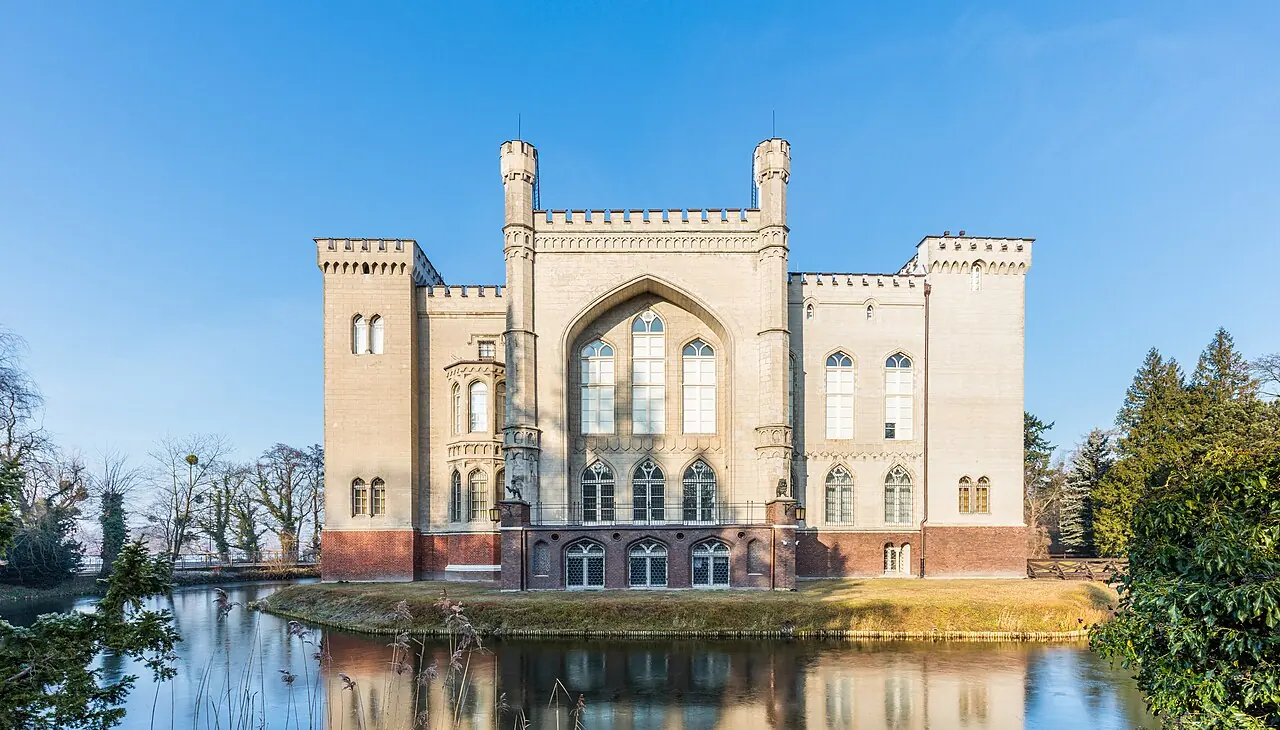 Photo Diego Delso, CC BY-SA 4.0, Wikimedia Commons

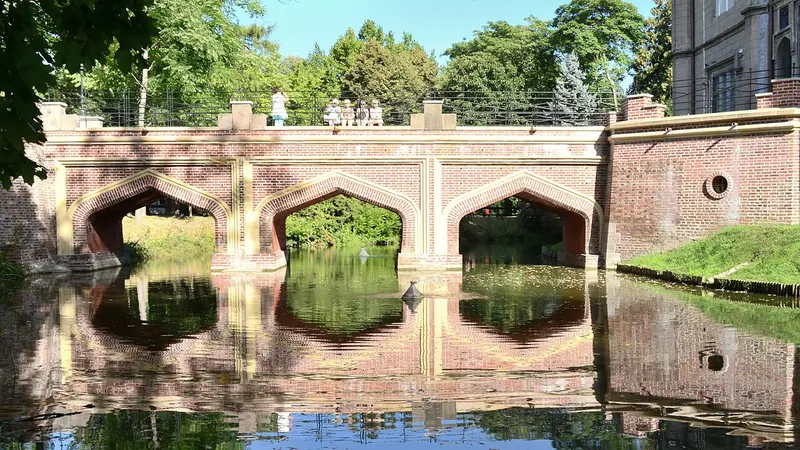 Photo Tomasz Stachowiak, CC BY-SA 3.0 pl, Wikimedia Commons1
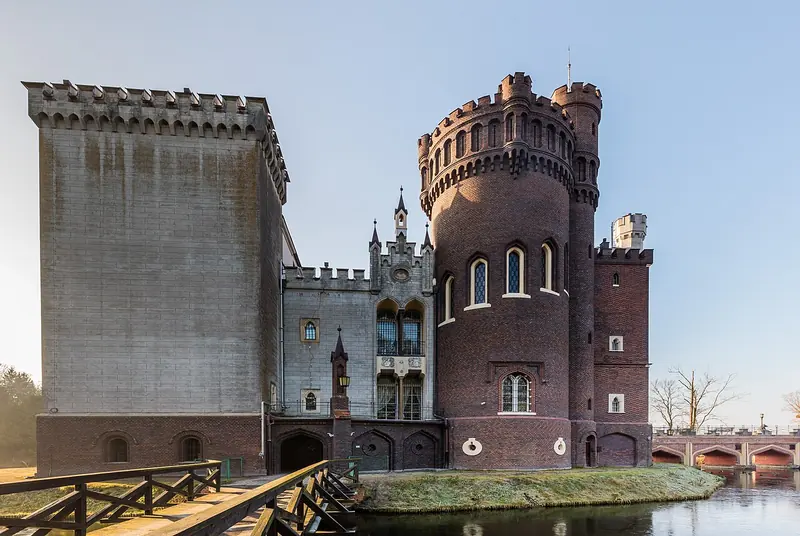 Photo Diego Delso, CC BY-SA 4.0, Wikimedia Commons
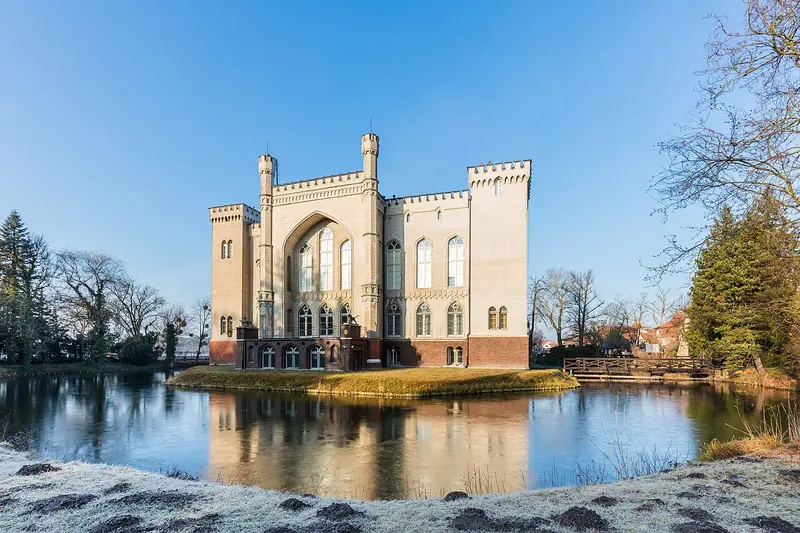 Photo Diego Delso, CC BY-SA 4.0, Wikimedia Commons
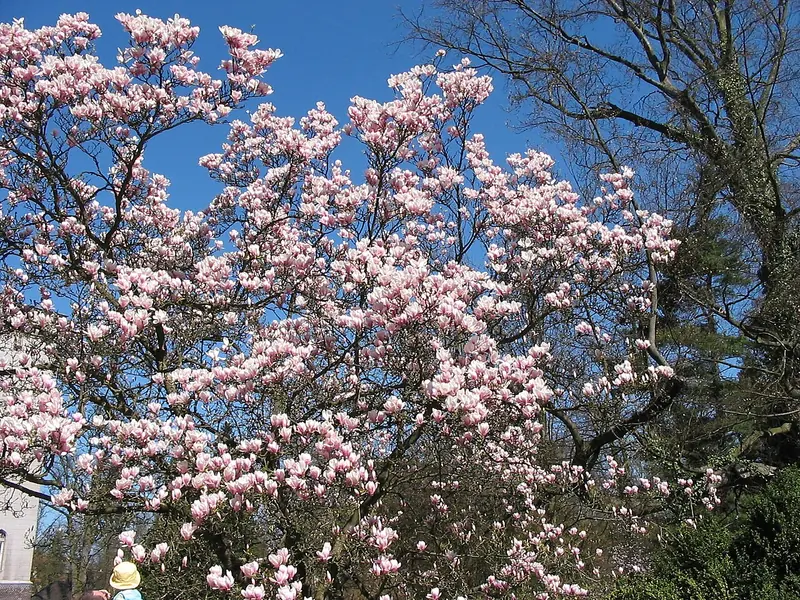 Photo No machine-readable author provided.…, Public domain, Wikimedia Commons
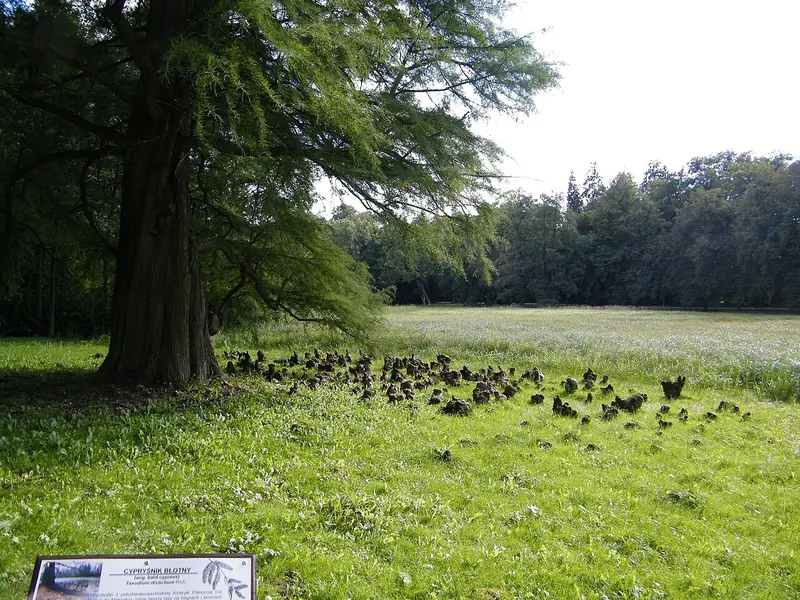 Photo Sylwia Ufnalska, CC BY-SA 3.0, Wikimedia Commons
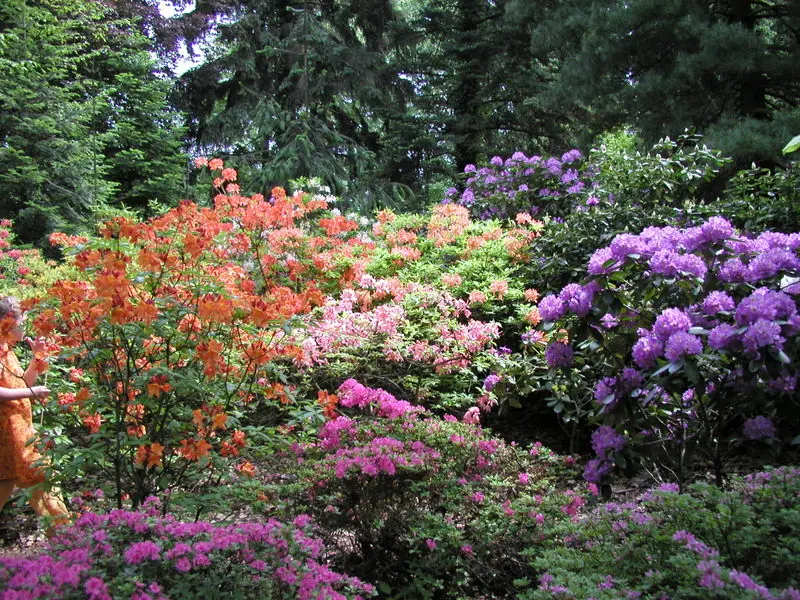 Photo nieznany autor, CC BY-SA 3.0, Wikimedia Commons
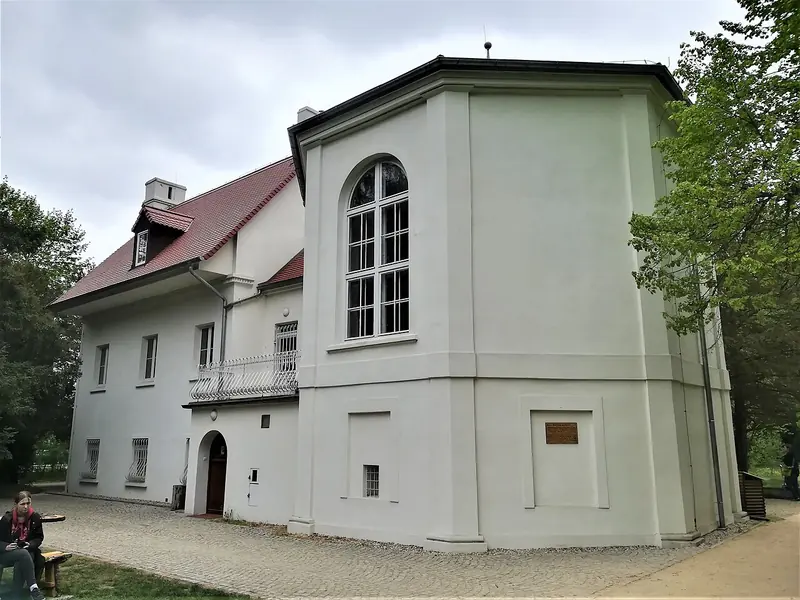 Photo MOs810, CC BY-SA 4.0, Wikimedia Commons
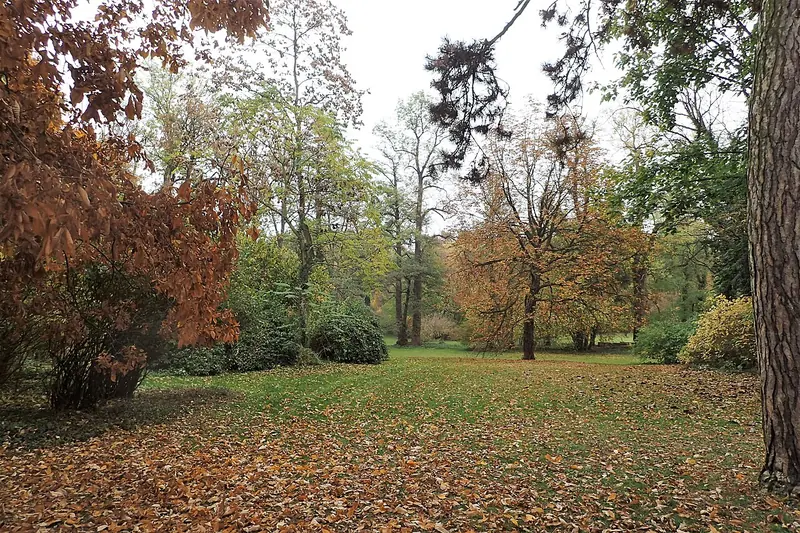 Photo Krzysztof Ziarnek, Kenraiz, CC BY-SA 4.0, Wikimedia Commons
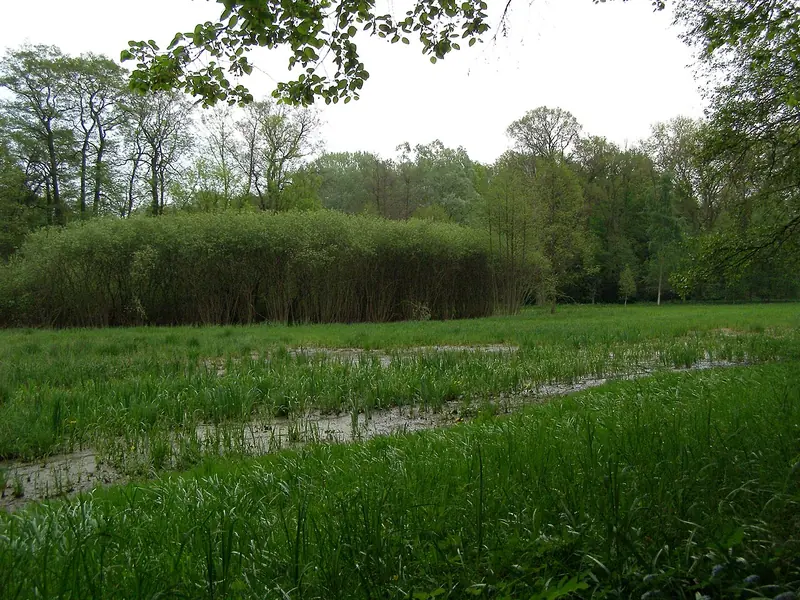 Photo Andrzej Otrębski, CC BY-SA 3.0, Wikimedia Commons
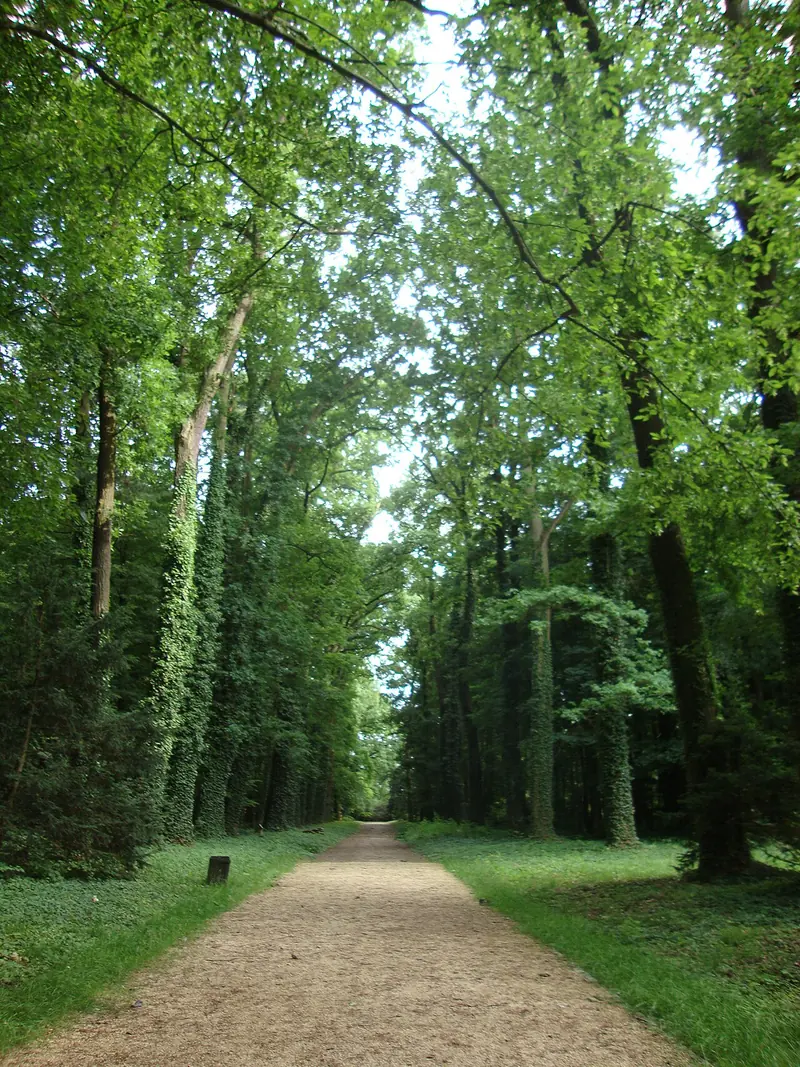 Photo Palacrogalin, CC BY-SA 3.0 pl, Wikimedia Commons
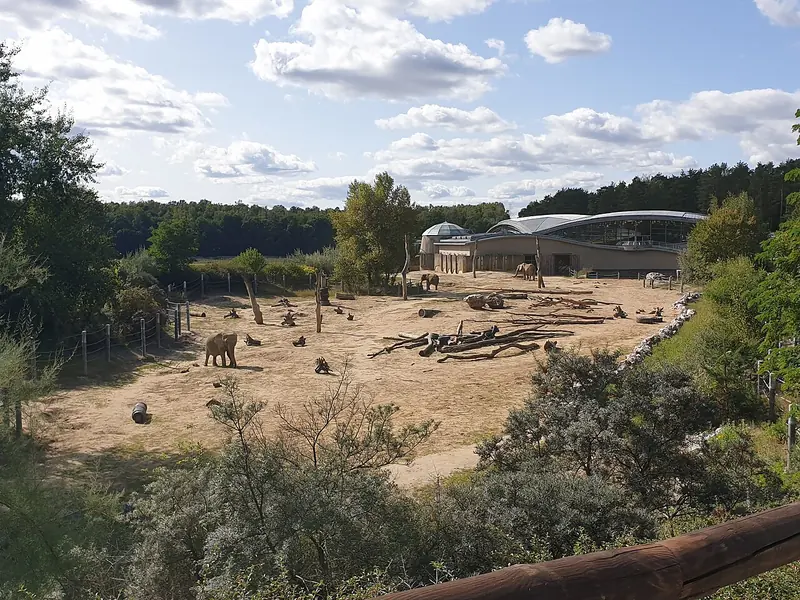 Photo Mateusz Giełczyński, CC BY-SA 4.0, Wikimedia Commons
 Photo Xysio1984, CC BY-SA 4.0, Wikimedia Commons
 Photo Łukasz Bakuła, CC BY-SA 4.0, Wikimedia Commons