Photo Andrzej Otrębski, CC BY-SA 3.0, Wikimedia Commons
CastlePszczyna, Silesia
Pszczyna Castle with children: what to see, map and route
Pszczyna Castle and Park. In the Turi app, the same map shows your position, guides you from point to point and lets you tick off the places you’ve visited.
The walk starts at the Gate of the Chosen on the market square in Pszczyna. The park is open and free, while the castle and the bison farm have separate tickets and their own opening hours. Allow an hour for the castle interiors. If you are already in the park, Turi will guide you from the nearest point.
At home, open the place in Turi and tap “Save for offline”: the map, descriptions and photos will work without signal.
Visit the farthest points first, while you still have energy.
Tick things off as you go, and by the exit you’ll know what’s left.
Pszczyna Castle in the Turi app
Live position, a route from point to point, descriptions to read and listen to. Free, no account, and in English, German and Ukrainian too.
The same map as in the app. Tap a point to see its photo and description; in Turi you’ll see yourselves on it too.
1recommended, in route orderother pointsWCtoilets, food, tickets
Map: OpenStreetMap (ODbL) and BDOT10k GUGiK, checked against aerial photos. Descriptions and photos: Turi and Wikimedia Commons. Something not right? Report it in the app at that point.
Worth seeing
The former residence of the Promnitz and Hochberg families, one of the best preserved in Poland, with its original furnishings and the Hall of Mirrors. During the First World War Kaiser Wilhelm II lived here, and the lady of the castle was Princess Daisy. The walk leads from the Gate of the Chosen past the castle and through the landscape park with a tea pavilion on an island, an ice house and the Ludwikówka manor to the European Bison Show Farm.
Photo Hons084, CC BY-SA 3.0 pl, Wikimedia Commons1
Building / monument
Gate of the Chosen
This is where you start, at the gate from 1687, the oldest part of the castle complex that has survived unchanged. The main way into the castle led through here, over a stone bridge across the former moat. The castle guard lived in the gate: the owners of Pszczyna, the Promnitz family, picked the soldiers from among their peasants, and they were called the chosen. They guarded the castle until 1875. The Latin motto above the passage hides the year of construction in Roman numerals tucked into its words. Next to it stands a monument to Georg Philipp Telemann: the composer often spent summers here and was fascinated by Polish folk music.
Photo Bieniecki Piotr, CC BY-SA 4.0, Wikimedia Commons2
Building / monument
Pszczyna Castle
The first stone castle here was built in the early 15th century by Duchess Helena, daughter of the Lithuanian prince Korybut; in 1433 it held off a Hussite raid. It later passed to the Promnitz family, the Dukes of Anhalt-Köthen and, from 1847, the Hochbergs, who gave it its present look of a French palace in 1870-1876. Unlike many Silesian residences, the castle came through the war with almost all its furnishings, including the chandeliers and huge mirrors of the Hall of Mirrors. The Castle Museum opened as early as 9 May 1946. Since 2021 the castle and park have been a Monument of History; the interiors require a ticket.
Photo Andrzej Otrębski, CC BY-SA 3.0, Wikimedia Commons3
Attraction
The castle from the park: the Kaiser and Princess Daisy
From here you see the castle from the landscape park, which covers about 156 hectares. From April 1915 to February 1916 the castle housed the German army's Supreme Headquarters. Kaiser Wilhelm II lived here, and Field Marshal Paul von Hindenburg and General Erich Ludendorff came and went. The lady of the castle at the time was an Englishwoman, Daisy, Princess of Pless, known for her memoirs and her charity work. In December 1901 she gave a reception here whose guest of honour was the same Kaiser.
Photo Seweryn11, CC BY-SA 3.0 pl, Wikimedia Commons4
Building / monument
Tea pavilion on the island
This oval pavilion with a domed roof stands on an island among the backwaters of the Pszczynka river. It was built in the third quarter of the 19th century, when Eastern culture was in fashion: it combines a romantic temple of contemplation with the Chinese garden houses where people drank tea surrounded by nature. Several stone tables with octagonal tops, where tea was once served, survive around it. In summer the pavilion has a café with outdoor tables.
Photo Hons084, CC BY-SA 3.0 pl, Wikimedia Commons5
Building / monument
Ludwikówka manor
This Neoclassical manor with a four-column portico closes the main axis of the park to the north; the castle stands at its other end. It was built around 1800 to a design by Wilhelm Pusch, court architect to the Dukes of Anhalt-Köthen, who turned the old game park into an English-style park. The manor was a residence of the Princes of Pless, with an annex, a stable and a carriage house. Today it is privately owned, so please look at it from outside.
Photo Olo81, CC0, Wikimedia Commons6
Building / monument
Ice house
This hexagonal Romanesque Revival building was used to store ice. In winter blocks of ice were cut from the ponds and backwaters of the Pszczynka and kept here to cool food in the castle kitchen in summer. Records from 1822 say that the head of the princely building office himself was responsible for filling the ice house. From this rise you get a good view of the river backwaters and the castle in the distance.
Photo Antekbojar, CC BY-SA 3.0, Wikimedia Commons7
Animals
European Bison Show Farm
In the part of the park called the Zwierzyniec there are two enclosures, about 10 hectares in all, where European bison live. The bison is the largest land mammal in Europe; in the early 20th century it died out in the wild and was brought back from a few dozen animals kept in zoos and breeding centres. Besides bison you will see mouflons, red deer, fallow deer and roe deer, as well as ducks, geese, swans and peacocks. There is an exhibition about the nature of the Pszczyna area and a 3D film about bison. Entry is paid.
All points (10)
Grouped as in the map legend. A star marks recommended points.
Building / monument 5
Gate of the Chosen ★This is where you start, at the gate from 1687, the oldest part of the castle complex that has survived unchanged. The main way into the castle led through here, over a stone bridge across the former moat. The castle guard lived in the gate: the owners of Pszczyna, the Promnitz family, picked the soldiers from among their peasants, and they were called the chosen. They guarded the castle until 1875. The Latin motto above the passage hides the year of construction in Roman numerals tucked into its words. Next to it stands a monument to Georg Philipp Telemann: the composer often spent summers here and was fascinated by Polish folk music.
Pszczyna Castle ★The first stone castle here was built in the early 15th century by Duchess Helena, daughter of the Lithuanian prince Korybut; in 1433 it held off a Hussite raid. It later passed to the Promnitz family, the Dukes of Anhalt-Köthen and, from 1847, the Hochbergs, who gave it its present look of a French palace in 1870-1876. Unlike many Silesian residences, the castle came through the war with almost all its furnishings, including the chandeliers and huge mirrors of the Hall of Mirrors. The Castle Museum opened as early as 9 May 1946. Since 2021 the castle and park have been a Monument of History; the interiors require a ticket.
Tea pavilion on the island ★This oval pavilion with a domed roof stands on an island among the backwaters of the Pszczynka river. It was built in the third quarter of the 19th century, when Eastern culture was in fashion: it combines a romantic temple of contemplation with the Chinese garden houses where people drank tea surrounded by nature. Several stone tables with octagonal tops, where tea was once served, survive around it. In summer the pavilion has a café with outdoor tables.
Ludwikówka manor ★This Neoclassical manor with a four-column portico closes the main axis of the park to the north; the castle stands at its other end. It was built around 1800 to a design by Wilhelm Pusch, court architect to the Dukes of Anhalt-Köthen, who turned the old game park into an English-style park. The manor was a residence of the Princes of Pless, with an annex, a stable and a carriage house. Today it is privately owned, so please look at it from outside.
Ice house ★This hexagonal Romanesque Revival building was used to store ice. In winter blocks of ice were cut from the ponds and backwaters of the Pszczynka and kept here to cool food in the castle kitchen in summer. Records from 1822 say that the head of the princely building office himself was responsible for filling the ice house. From this rise you get a good view of the river backwaters and the castle in the distance.
Attraction 1
The castle from the park: the Kaiser and Princess Daisy ★From here you see the castle from the landscape park, which covers about 156 hectares. From April 1915 to February 1916 the castle housed the German army's Supreme Headquarters. Kaiser Wilhelm II lived here, and Field Marshal Paul von Hindenburg and General Erich Ludendorff came and went. The lady of the castle at the time was an Englishwoman, Daisy, Princess of Pless, known for her memoirs and her charity work. In December 1901 she gave a reception here whose guest of honour was the same Kaiser.
Animals 1
European Bison Show Farm ★In the part of the park called the Zwierzyniec there are two enclosures, about 10 hectares in all, where European bison live. The bison is the largest land mammal in Europe; in the early 20th century it died out in the wild and was brought back from a few dozen animals kept in zoos and breeding centres. Besides bison you will see mouflons, red deer, fallow deer and roe deer, as well as ducks, geese, swans and peacocks. There is an exhibition about the nature of the Pszczyna area and a 3D film about bison. Entry is paid.

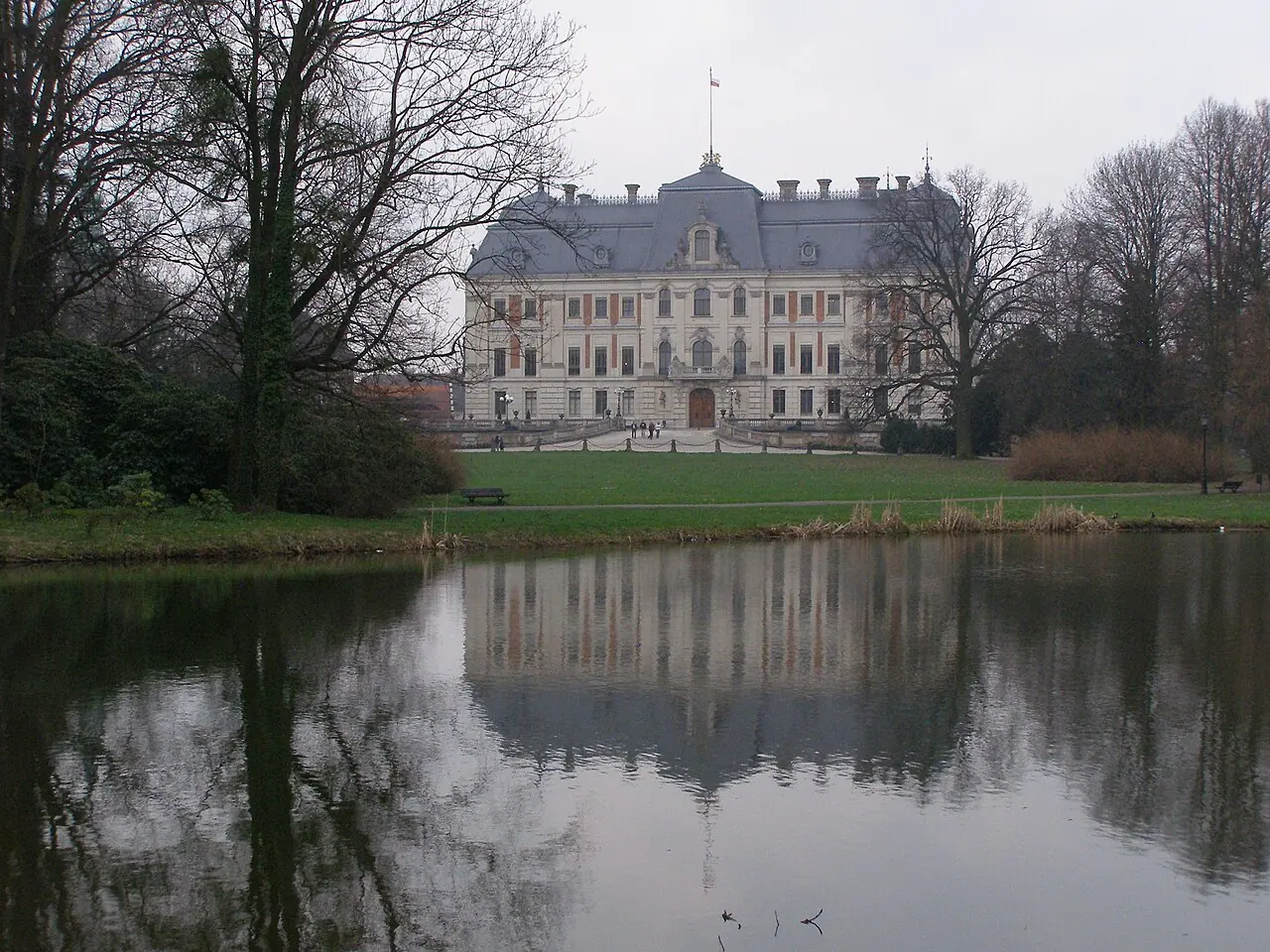 Photo Andrzej Otrębski, CC BY-SA 3.0, Wikimedia Commons

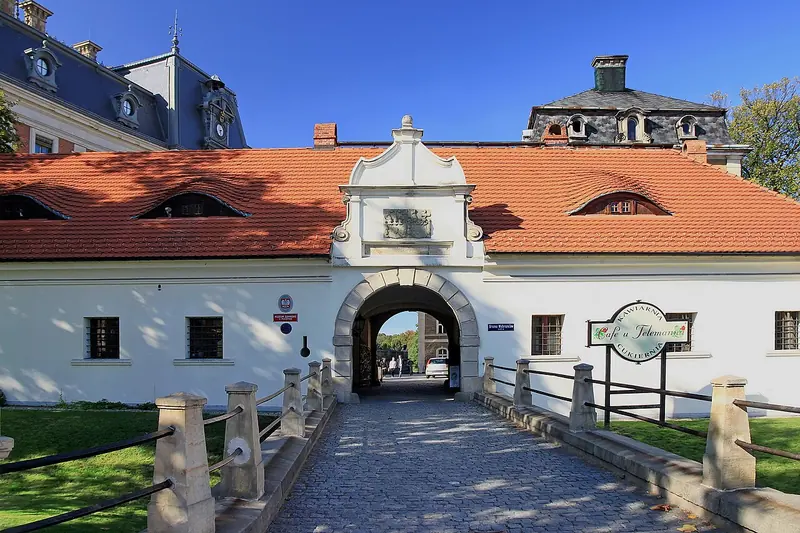 Photo Hons084, CC BY-SA 3.0 pl, Wikimedia Commons1
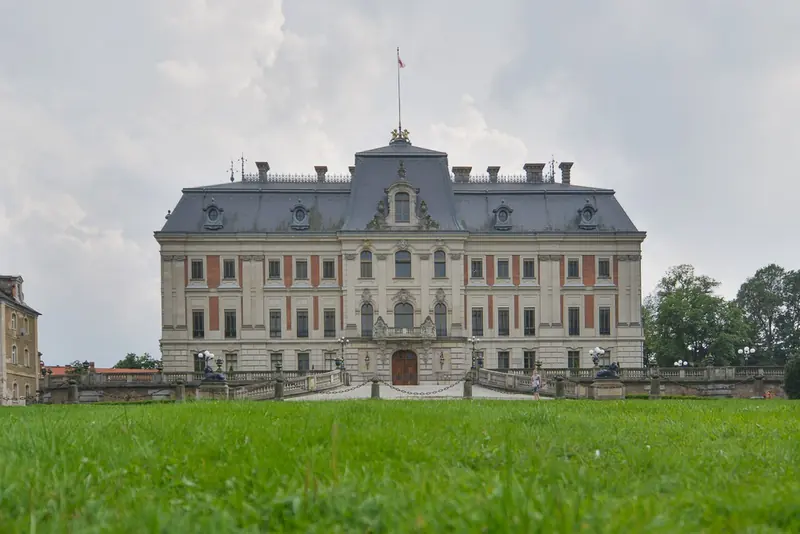 Photo Bieniecki Piotr, CC BY-SA 4.0, Wikimedia Commons
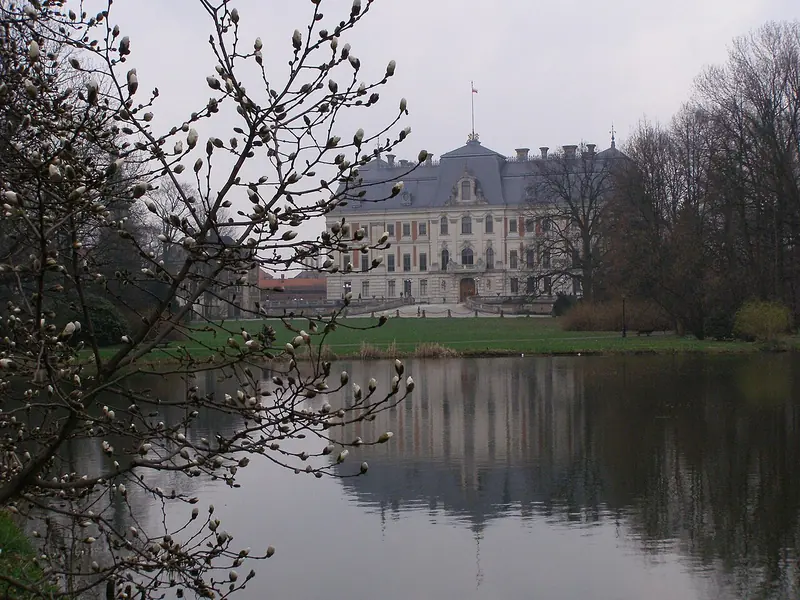 Photo Andrzej Otrębski, CC BY-SA 3.0, Wikimedia Commons
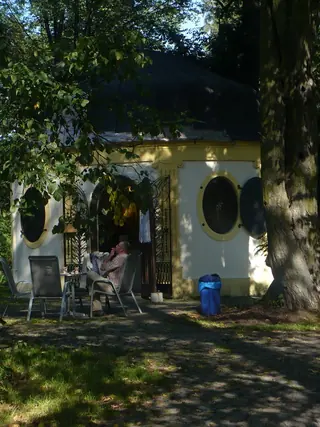 Photo Seweryn11, CC BY-SA 3.0 pl, Wikimedia Commons
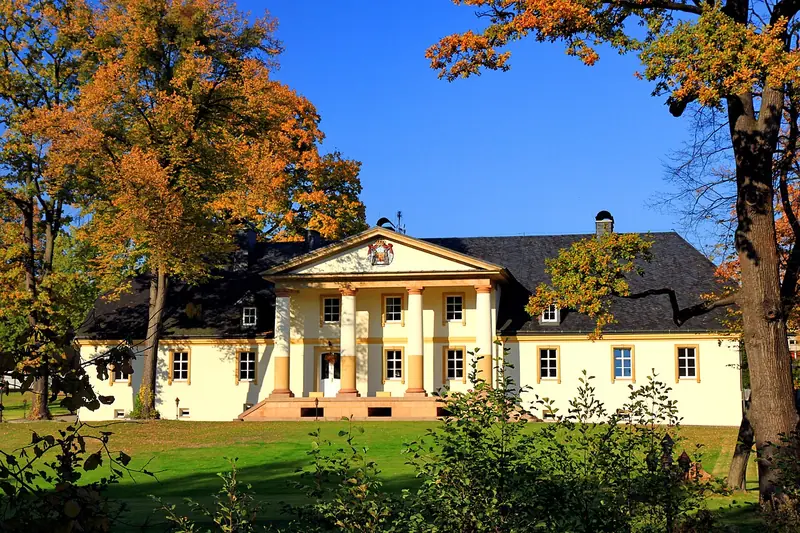 Photo Hons084, CC BY-SA 3.0 pl, Wikimedia Commons
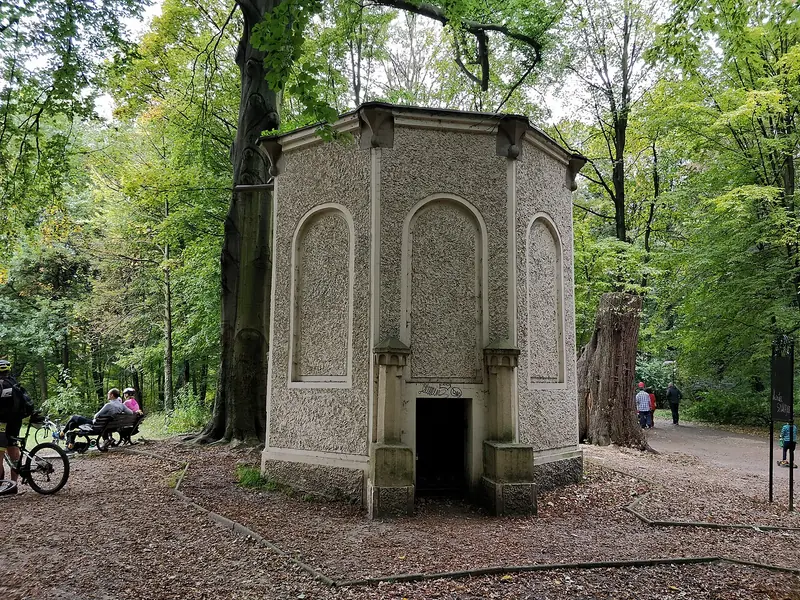 Photo Olo81, CC0, Wikimedia Commons
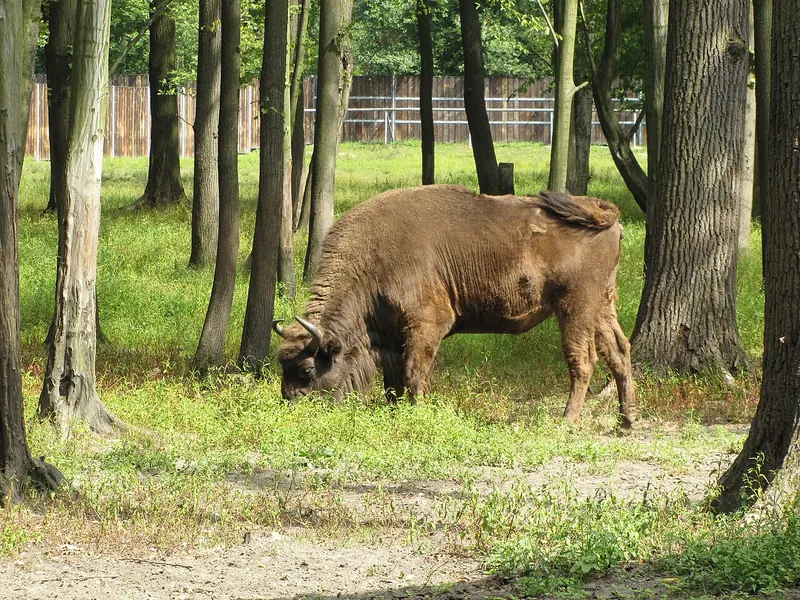 Photo Antekbojar, CC BY-SA 3.0, Wikimedia Commons
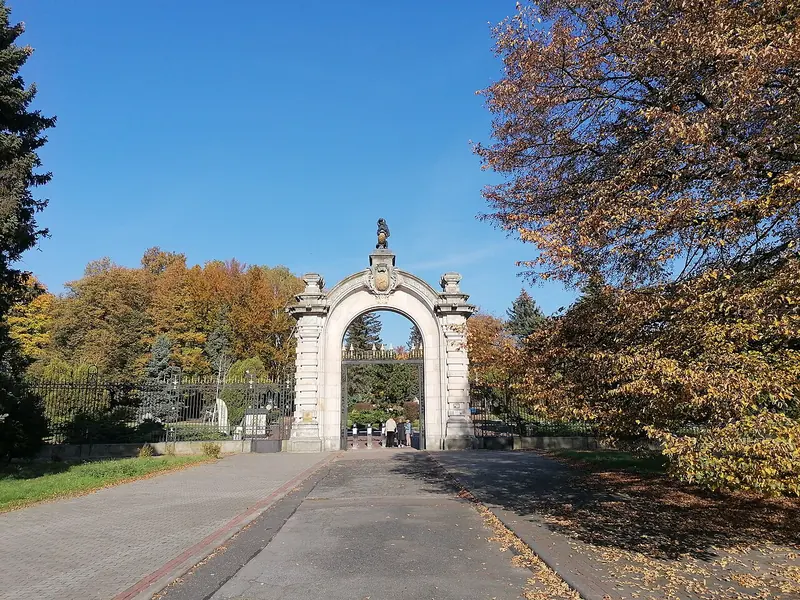 Photo Abraham, CC BY-SA 4.0, Wikimedia Commons
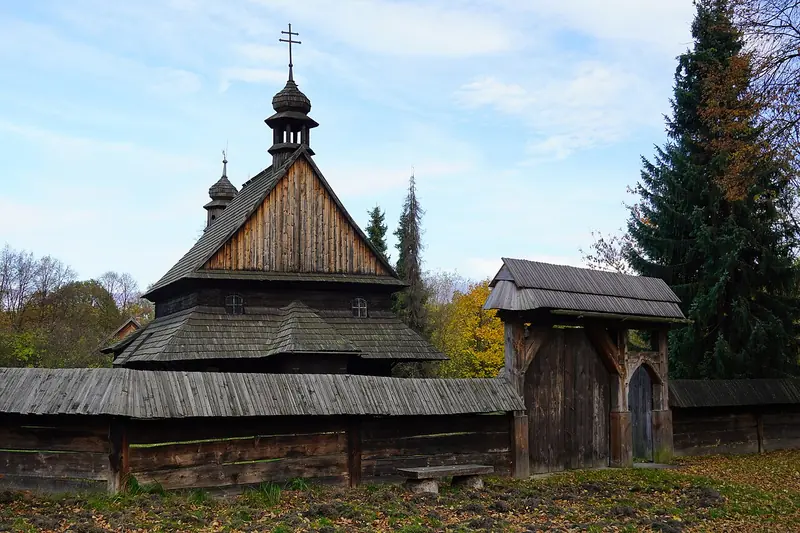 Photo Krzysztof Bulla, CC BY-SA 4.0, Wikimedia Commons
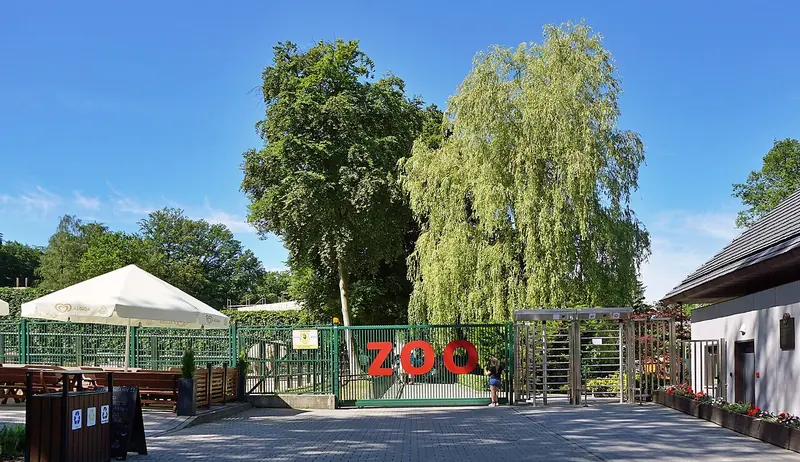 Photo Igor123121, CC BY 4.0, Wikimedia Commons