Bactrian camel ★The Bactrian camel comes from the steppes and deserts of Central Asia; wild Bactrian camels still live in the Gobi Desert. It can go for months without water, and when it does drink, it can take in as much as 120 litres at once. It stores fat in its humps, which its body uses for energy and water. The Gdańsk herd was founded in the 1990s in exchange for quarantining 50 camels from Kazakhstan, and a calf was born here in 2025.
Red panda ★The red panda comes from the cool bamboo forests at the foot of the Himalayas, from Nepal to Myanmar and western China. It spends most of its time in trees and is most active at dawn and at dusk. Bamboo makes up as much as 95% of its diet. Biologists described it in 1825, 50 years before the giant panda. In summer the keepers feed the red pandas in front of visitors.
Alpaca ★The alpaca exists only as a domestic animal, in the Andes of Peru, Bolivia and Chile, at altitudes of 3,500 to 5,000 m. It lives in family groups with one male, several females and their young. When an intruder approaches, it warns the herd with sharp, high-pitched calls, and to defend itself it can kick or spit. Alpacas came to Gdańsk in the 1990s together with the camels.
Eurasian lynx ★The lynx lives in large forests in Europe and Asia and hunts by ambush, sometimes lying in wait on a thick branch. The tufts on its ears work like antennae: they gather sound, so the lynx has excellent hearing. An adult eats up to 2.5 kg of meat a day. In 2025 the Gdańsk lynxes moved into the rebuilt former tiger enclosure, and the zoo takes part in a programme to protect lynxes in the wild.
Muskox ★The muskox lives in the Arctic tundra of North America, Greenland and Asia and feeds on grasses, Arctic willow, mosses and lichens. When threatened, the herd forms a tight circle or a line: the bulls stand at the front, and the females and calves hide behind them. Although they look slow, muskoxen are fast and agile, and in the rutting season the males crash heads at high speed.
European bison ★The European bison is the largest land mammal in Europe; in the wild it lives in places such as the Białowieża Forest, the Bieszczady mountains and Western Pomerania. Its three-layered coat protects it in winter. Cows and their calves form herds, and young bulls leave at about 3 years old to join groups of males. The rutting season starts in August, when the bulls make a distinctive grunting sound. There were already bison in the zoo's collection in 1957.
Mishmi takin ★The takin comes from the eastern Himalayas and the Tibetan Plateau, where it lives on rocky slopes up to 5,000 m. It lives in small groups led by the strongest male, and in winter it moves lower down into thickets of rhododendron and bamboo. Its whole coat is covered with an oily, strong-smelling secretion that protects it from mist and rain. The takin's closest relative is the muskox.
Eurasian eagle-owl ★The eagle-owl is the largest owl in Europe, living in forests, mountains and even deserts across Europe and Asia. It hunts mainly for a few hours after sunset and before dawn, catching rodents, hares and even birds the size of a heron. Pairs stay faithful, and the female lays her eggs as early as late winter. Since 2015 the eagle-owls have had new, much larger aviaries at the zoo.
Andean condor ★The Andean condor lives in the Andes, from Venezuela to Tierra del Fuego, and spends most of the day soaring in search of carrion. Pairs stay together for life, and the female lays one egg every two years, straight onto a rock ledge. Gdańsk Zoo is famous for breeding condors: in 2009 a pair was given an exhibit with a waterfall and rock ledges, and in 2013 new, larger aviaries.
Greater flamingo ★Greater flamingos live in Africa, Asia and southern Europe, in the shallows of lagoons and salt lakes, in flocks of up to thousands of birds. They eat algae, crustaceans and insect larvae from the mud, and build mound-shaped nests out of mud. In Gdańsk chicks hatch every year, and once they have grown a little, the young gather together in crèches. In summer you can watch the flamingo feeding demonstrations.
Black-and-white ruffed lemur ★A lemur from the humid forests of eastern Madagascar, critically endangered: its wild population has fallen by more than 80% in recent decades. A female usually leads the group, and a loud roar warns of danger. Females build nests and carry their young in their mouths. The pair Tanjona and Sakina have lived here since 2024 in the pavilion with an island next to the restaurant, and they already have young from 2025 and 2026.
Northern white-cheeked gibbon ★A small, tailless ape from Laos, Vietnam and southern China, critically endangered. Males are black with white cheeks, while females are beige; the young are born pale and turn dark after two years. Gibbons swing from branch to branch on their long arms, and families communicate with loud songs. At Gdańsk Zoo they live on an island in the pond.
Grey wolf ★The wolf lives in the forests and steppes of Europe and Asia in family packs of 5 to 9 animals, in which only the dominant pair has young. It hunts mainly large animals such as elk and deer. A pack can travel as far as 200 km in a day, usually at night. The pups are born blind and deaf and weigh about half a kilogram. The wolf enclosure lies in the woods at the edge of the zoo.
Eurasian elk ★The elk lives in the wet forests of northern Europe, Asia and North America. It weighs from 270 to 600 kg, and its wide-set, flat hooves let it walk over marshes and snow. It is an excellent swimmer, can even dive, and has superb hearing and sense of smell. It is most active at sunrise and sunset. There were already elk in Gdańsk Zoo's collection in 1957.
Bornean orangutan ★Bornean orangutans are the largest tree-dwelling mammals: an adult male can weigh as much as 100 kg, and females are half that size. A young orangutan depends completely on its mother until it is 5 years old. In the wild orangutans are threatened by forests being cleared for oil palm plantations, so the zoo runs a campaign called ‘Ocalmy orangutany’ (Let's save the orangutans) #olejolej and supports the protection of the species in the wild. They live in the year-round great ape house.
Common chimpanzee ★Chimpanzees live in the forests of central and eastern Africa, in groups where they communicate with sounds, gestures and facial expressions. They use sticks to fish out termites, and every night they build a new nest in a tree. The longest-standing member of the Gdańsk group is the female Lola, and the youngest is her son Sati. The chimpanzees live in the great ape house with a year-round exhibit, opened in autumn 2005.
Mandrill ★Mandrills come from the rainforests of west-central Africa. They spend the day on the ground and climb trees for the night. The most colourful is the adult male with his red and blue face; when he threatens a rival, he opens his mouth wide and shows fangs 6.5 cm long. In winter you can watch the mandrills through the glass in the pavilion opened at the end of 2016.
Pallas's cat (manul) ★A small, fluffy cat from the steppes and mountains of Asia, from Iran to Mongolia, which has the densest fur of all cats and round pupils like a human's. It is not fast, so it hunts rodents, pikas and birds from hiding. In 2025 the zoo converted the former puma enclosure for the Pallas's cats, and in the same year Pallas's cat kittens were born here for the first time in the zoo's history.
Red kangaroo ★The red kangaroo is the largest kangaroo, living on the dry grasslands and semi-deserts of western and central Australia. It hops on its hind legs at up to 60 km/h, covers about 8 m in a single bound and jumps almost 2 m high. It is active mainly in the cool evenings and at night. A joey is born after only 33 days, blind, hairless and 2 cm long, and goes on growing in its mother's pouch.
African penguin ★African penguins live only on the coasts of southern Africa and usually go no further than 40 km from the shore. Each one has a different pattern of spots on its belly and under its wings. Look out for the completely white Kokosanka in the colony: she hatched here on 12 December 2018 and, according to the zoo, she is the only albino penguin of this species in any zoo in the world. The penguins are fed in front of visitors almost every day.
Grey seal ★Grey seals live in the North Atlantic and the Baltic Sea, and in Poland they are most often seen in the Gulf of Gdańsk and Puck Bay. They dive to more than 200 m, can stay underwater for about 20 minutes and even sleep underwater. There is a feeding demonstration at the pool every day, during which the keepers also show the seals' medical training. The zoo takes part in a programme to protect grey seals in the wild.
Mountain bongo ★A rare antelope from the mountain rainforests of Kenya, with pale stripes on its reddish back that camouflage it in thick undergrowth. It has big ears, and when it flees through the bushes it runs with its head raised, so that its horns lie flat against its neck and do not catch on branches. It licks salt from natural salt licks. Only about 70 to 80 adult bongos are left in the wild.
Cheetahs ★The cheetah lives on the savannahs and open plains of Africa, and a few also in Iran. Over a short distance it can exceed 100 km/h, helped by its long legs, flexible spine and large nostrils. Breeding cheetahs is difficult, because the species has very little genetic diversity; in 2026 the male Yobo came here from Opole for breeding attempts. The zoo also supports the protection of cheetahs in the wild.
Meerkat ★Meerkats come from the dry lands of southern Africa and live in colonies of up to 30 animals, in which sentries look out for enemies while others look after the young. They are resistant to the venom of some snakes and scorpions. In spring 2026 young meerkats named Skipper and Kowalski moved into the giraffe house, while the older group moved to the area near the monkey house.
Rothschild's giraffe ★Rothschild's giraffes live on the savannahs in protected areas of Kenya and Uganda, and they walk with a pacing gait, lifting both legs on one side of the body at the same time. An adult giraffe weighs from 830 to 1,200 kg and eats more than 50 kg of leaves a day. In December 2025 the first giraffe in the history of Gdańsk Zoo was born here: Cardi, the daughter of Alia and Aki. The herd also includes the senior giraffe Wiechu and young Ivie.
South American tapir ★The tapir is a loner from the wet lowland forests of South America. It sleeps through the day in the undergrowth, and after dark it walks along riverbeds looking for water plants. It is a good swimmer, and bathing helps it get rid of parasites and hide from jaguars and pumas. The young become independent at 7 months, and tapirs live to 30.
Pygmy hippopotamus ★The pygmy hippo lives in waterside forests in West Africa and was only discovered at the end of the 19th century. It often spends the day in wet mud, because its skin dries out easily, and it feeds at night. Since 2021 it has lived in the former Butterfly House pavilion and in the paddock where Nile hippos used to live. In March 2026 the female Malela and the male Sapo had a baby daughter here.
Capybara ★The largest rodent in the world, weighing up to 66 kg, lives by the waters of South America in groups of 10 to 30 animals. It is an excellent swimmer and can stay underwater for 5 minutes. A litter has 2 to 8 young, which get up and walk soon after birth. In summer the keepers feed the capybaras in front of visitors.
Chapman's zebra ★Chapman's zebra is a subspecies of the plains zebra from the savannahs of eastern and southern Africa. It lives in families with one stallion, several mares and their foals, and in the dry season it can dig a hole in the ground up to 50 cm deep to reach water. In spring 2026 two foals were born in Gdańsk, and after just two weeks they were nibbling grass. The zebras share their paddock with the giraffes.
Great white pelican ★The great white pelican is one of the heaviest flying birds, weighing up to 11 kg. Under its bill it has a pouch that holds up to 13 litres and works like a fishing net, and pelicans fish as a team. It lives in colonies by large lakes and in river deltas in Africa, Europe and Asia. Pelicans came to Gdańsk in the 1990s together with the camels and flamingos, and they live on an island in the pond.
Angolan lion ★Angolan lions come from south-western Africa and, unlike other cats, live in prides in which the females do most of the hunting. They came to Gdańsk in October 2014: the male Arco from Lisbon and the lionesses from France, and the family has had many cubs. The enclosure covers about 2 ha and has several viewpoints, so it is worth walking all the way round; lions rest for up to 20 hours a day.
Sand cat ★A small cat from the deserts of North Africa and Asia, with large ears that help it lose heat and thick hair between its toes that protects its paws from the hot sand. Gdańsk Zoo is the only zoo in Poland with sand cats: they have lived in the lion house since 2015. In summer 2026 two females, Maolie and Sahira, gave birth to kittens; the father is a male the keepers call Darek.
VicuñaThe vicuña is the smallest relative of the camel: it weighs only 35 to 45 kg. It lives high in the Andes, on plateaus at 3,200 to 5,800 m, and its large heart helps it cope with the thin air. It has to drink every day, so it stays close to water. Its young can stand up just 15 minutes after birth. The vicuña appears on Peru's coat of arms.
KeaThe kea is a parrot from the mountains of New Zealand's South Island, considered the only parrot that lives in the mountains, even on snowy slopes. It is very intelligent and can solve difficult tasks. Seen from outside, its feathers are olive green, and in flight you can see the orange undersides of its wings. Two keas arrived in January 2026 from the zoo in Münster and moved into the rebuilt aviary next to the administration building.
European wildcatThe wildcat is the wild cat of Europe's forests; in Poland it lives only in parts of the Podkarpacie and Małopolska regions. It is a loner and hunts mainly in the late afternoon and at dawn, catching rodents, hares and birds, and it makes its den in hollow trunks and under roots. When it scratches trees, it not only sharpens its claws but also leaves scent from glands on its paws. Next to the wildcat aviary is the seasonal Leśny Młyn restaurant.
Prevost's squirrelA squirrel from the forests of South-East Asia: the Malay Peninsula, Sumatra and Borneo. It is most active at dawn and at dusk. Its tail helps it keep its balance, works like a rudder when it jumps and also serves as a flag for signalling to others. When it eats, it crouches and holds its food in its front paws, and it shows that it is upset with trills and whistles. It shares a pavilion with the binturongs.
LlamaThe llama exists only as a domestic animal, mainly in the Andes of Peru and Bolivia. It is very sociable and lives in herds, where it sometimes spits at other llamas to put them in their place, and the males fight for higher rank. Despite their squabbles, llamas look after one another like a family. A baby llama is called a cria, which means ‘baby’ in Spanish; it drinks its mother's milk for up to 5 months.
DromedaryThe dromedary comes from Africa and the Arabian Peninsula and has been helping people in hot climates for about 6,000 years. It eats salty plants and thorny branches, and when it is dehydrated it can drink 150 litres of water at once. Two calves were born here in 2025. The zoo's archives record that Zosia, a female camel who arrived in 1955, loved cherries, black coffee and cream puffs, and even walked in a parade at the jazz festival in Sopot.
Domestic water buffalo (Asian buffalo)The domestic water buffalo comes from Asia and was domesticated more than 5,000 years ago; to this day it pulls ploughs in flooded rice fields in China and Vietnam. Buffaloes spend most of the day submerged in muddy water, which cools them and protects them from insects. Their wild relative, the wild water buffalo, is endangered and now survives only in a few protected areas in India, Nepal and Bhutan.
Southern ground hornbillA large bird from the savannahs and grasslands of Africa which, rather than flying, spends most of its time walking on the ground, hunting insects, amphibians and small mammals, and sometimes lays out its supplies in a neat row in its larder. It lives in family groups of up to 11 birds, in which only the dominant pair has young. It makes deep, booming calls by inflating its air sacs. In 2017 it was given a new exhibit here with a winter house.
Steppe eagleThe steppe eagle nests on the steppes and semi-deserts of Central Asia and Eastern Europe and spends the winter in Africa and southern Asia. It hunts mainly ground squirrels, sometimes waiting patiently by the entrance to their burrow. It builds its nest of long sticks on the ground, somewhere with a good view, and when there are not enough branches it even uses animal bones. Since 2015 the steppe eagles have had larger aviaries at the zoo.
Great curassowThe great curassow is a large bird from the humid forests of Mexico, Central America and Colombia, which spends most of its time on the ground, picking up fallen fruit and seeds. When startled, it prefers to run away rather than fly, and at night it hops up onto branches. Males and females look completely different. The chicks hatch with developed flight feathers, can leave the nest after a few hours and fly within their first few days.
Barasingha (swamp deer)A deer from the swamps and wet meadows of northern and central India and Nepal, living in herds of 10 to 20 animals. Its Hindi name means ‘twelve tines’, after its antlers, which usually have 12 points and on some males as many as 20. It is most active in the morning and evening, eats grass and water plants, and the mating season lasts from October to February.
Turkey vulture (urubu)The turkey vulture lives across the Americas, from Canada to Tierra del Fuego, and feeds mainly on carrion; its bill is weak, so it prefers small prey. It roosts in groups of up to several hundred birds. When threatened, it throws up half-digested meat, and its rotten smell drives off most predators. In 2013 the turkey vultures and condors were given new, larger aviaries at the zoo.
Cape Barren gooseThe Cape Barren goose is a goose from the islands and coasts of southern Australia that does not like swimming much. It can drink salt water, so it even lives on islands out at sea. When defending its territory, it runs at intruders with its wings spread and grunts like a pig, and it is not even afraid of people. Pairs mate for life and build their nest in tall grass with a good view of the surroundings.
Red-legged seriemaThe seriema is a bird from the grasslands of Brazil, Uruguay and northern Argentina that can run faster than 40 km/h and only takes to the air when a predator refuses to give up the chase. It hunts insects, lizards and snakes, and kills its prey by beating it against the ground or a stone. It builds its nest of twigs, leaves and clay in a tree.
African spoonbillThe African spoonbill lives by lakes, rivers and swamps south of the Sahara and on Madagascar. With its spoon-shaped bill it sifts through mud and catches slippery fish. It often wades behind a hippo or a crocodile, which stir up its prey from the mud. It builds its nests in low trees over water, and in summer 2026 spoonbills were sitting on eggs in Gdańsk too.
Eurasian spoonbillThis white spoonbill with a spatula-shaped bill lives in Europe, Asia and Africa, in marshes, floodplains and by lakes. It is most active in the morning and evening: wading through shallow water, it sweeps its bill from side to side and catches insects, crustaceans, tadpoles and small fish. It nests in dense colonies where the nests almost touch, and it is threatened by the draining of wetlands.
Black swanThe black swan comes from Australia and Tasmania, and as an introduced species it also lives in places such as New Zealand and Europe. Although it is black, you can see its white flight feathers when it flies. It feeds at dusk and travels at night. It is the least territorial of the swans: sometimes several pairs nest together in a colony. Pairs often stay together for life, and the male helps to incubate the eggs.
Chiloé wigeonA duck from the lakes, ponds and marshes of Argentina, Chile, Uruguay, Paraguay and Brazil, which also feeds on meadows. Among wigeons it stands out because pairs stay together for longer than one breeding season. The female incubates up to 9 eggs, while the male defends the territory and the ducklings. There are only three species of wigeon in the world, and one of them nests in Poland in very small numbers.
Red-crowned craneA tall black-and-white crane with a red patch on its head, which nests along the Amur in eastern Russia and in China, and also lives in Japan. Unlike other cranes, it chooses marshes with deep water. Pairs usually stay together for life; the female lays 2 eggs, but usually only one chick survives. Industry and farming are taking away the places where it can live.
Bar-headed gooseA goose from the high-mountain lakes, marshes and meadows of Central and South Asia, living above 4,000 m. Its body copes with low air pressure and very strong winds. On migration it flies over the Himalayas at heights of more than 8,500 m, which is why it is considered the highest-flying bird on Earth. Females defend their nests together, and sometimes slip their eggs into neighbouring nests.
Red-breasted gooseA small, colourful goose from the tundra of northern Asia, which spends the winter around the Black Sea. Despite its small size it can be feisty and has a loud voice. It often nests next to a snowy owl or a peregrine falcon, because such neighbours protect its eggs from other predators. It starts incubating its eggs before the last Siberian snow has melted, and the goslings eat fresh grass.
Hawaiian goose (nene)The nene is a goose found only in Hawaii, on grasslands and volcanic slopes, and it is the state's symbol. It is the rarest goose in the world: in 1952 only 30 birds were left in the wild. It has longer, stronger legs and less webbing between its toes than other geese, so it can walk quickly over volcanic rock. It feeds only on land, and pairs stay together for life.
Fulvous whistling duckA duck from the wetlands, lakes and floodplains of Africa, the Americas and Asia, which makes pleasant whistling sounds. It behaves a little like swans and geese: pairs are faithful and look after their young together, although they sometimes lay their eggs in other waterbirds' nests. In 2026 as many as 10 whistling duck chicks hatched at Gdańsk Zoo, and they quickly left the nest.
Coscoroba swanA white bird from the shallow lakes and marshes of South America, sometimes called a swan, although it lacks the typical swan's bare patch by the bill and belongs to a separate genus. It lives in pairs that can defend their territory for many seasons. The female lays up to 9 eggs and incubates them on her own, and right after hatching the chicks follow their mother and search for food on the bottom.
Canada gooseA large goose from North America that has settled in Europe, Asia and Australia as an alien species, pushing out other geese. It is intelligent, has an excellent memory and can recognise people. With a good tailwind it can fly 2,400 km in a day, although it usually migrates more slowly. Canada geese are caring parents that rarely abandon their nest.
BinturongThe binturong lives in the forests of Borneo, Sumatra, Java and South and South-East Asia. It lives in trees, but it is so heavy that it often crosses between them on the ground. It eats mainly fruit, and by spreading the seeds it helps rainforests to regrow. In 2025 the Gdańsk binturongs were given more space in the pavilion next to the La Mariposa restaurant.
Yellow-cheeked gibbonA gibbon from the forests of southern Laos, eastern Cambodia and Vietnam, endangered. It lives in families made up of a male, a female and their young, who stay in the group until they are 6 to 8 years old. The young are born pale yellow and turn black within a few months, and females go back to yellowish fur as they mature. Gibbons are famous for their loud songs; in Gdańsk they live on an island in the pond.
North American porcupineThe North American porcupine is a tree-dwelling rodent from the forests, tundra and grasslands of North America, from Alaska to northern Mexico. It is a solitary animal, active at night, and it does not hibernate; in winter it eats mainly bark. It defends itself with its quills: it has about 30,000 of them on its back, and each one is filled with a spongy material, so they are light and very stiff.
Ural owlA large owl from the forests of Scandinavia, Siberia and Japan; in Poland it nests very rarely, in the mountains in the south-east of the country, where there are 750 to 1,000 pairs. It can also be active during the day and is not shy, but a female defending her nest first snaps her bill and then attacks with her talons. Pairs form in autumn, usually for life.
DonkeyDonkeys were domesticated about 6,000 years ago and still help people all over the world. They are sociable and like to spend time with other farm animals. They are most active in the morning and evening, and in good conditions they can live as long as 40 to 50 years. A foal is born after a 12-month pregnancy, weighs 8 to 13 kg and is fully developed straight away.
Collared peccaryAn American relative of pigs, living from the southern USA to northern Argentina in herds of 5 to 15 animals. It is the smallest of the three peccary species. It enjoys mud and sand baths and sleeps in burrows and under tree roots. The young have a yellowish-brown coat, completely different from the adults'; in 2026 peccaries were born in Gdańsk too.
Fallow deerThe fallow deer lives in the forests, scrubland and meadows of Europe. The males, called bucks, have broad antlers, which they shed and which grow back every year. Fallow deer live in herds, with females and young in one group and males in another, and they eat mainly at dawn and dusk: grasses, acorns, herbs and shoots. In zoos they live to about 15, and in the wild usually to 8 or 9.
Visayan spotted deer (Prince Alfred's deer)One of the rarest mammals in the world, living in the wild only in the forests of the islands of Panay, Negros and Cebu in the Philippines, and threatened by hunting and logging. It stands 75 to 80 cm at the shoulder and lives in small groups of 3 to 5 animals, which are most active at dusk and at night. Prince Alfred's deer have lived at Gdańsk Zoo since 2013.
Javan lutungA monkey from the tropical forests of Java, Bali and Lombok, which spends most of the day in the treetops and eats mainly leaves and flowers. The young are born bright orange and darken with age, and the females in a group look after the babies together. In 2026 a baby lutung was born in Gdańsk too. In the wild lutungs are threatened by the spread of farming and by trapping.
Lowland anoaThe smallest wild buffalo in the world lives only on the Indonesian island of Sulawesi. It usually goes about alone and loves bathing in water and mud, and when there are no springs or salt licks, it drinks seawater to top up its minerals. The young are born covered in thick, woolly, yellowish-brown fur. Fewer than 2,500 adult anoas are left in the wild, because their forests are being cut down.
Reeves's muntjacA small deer from south-eastern China and Taiwan, weighing 10 to 18 kg. Males have short antlers up to 10 cm long and protruding upper canines about 6 cm long. It is called the barking deer, because when in danger it makes a call that sounds like barking. It lives alone, defends its territory and is most active at dawn and dusk.
Black howler monkeyA monkey from the forests of central South America, famous for its booming voice. Adult males are black and females dark yellow, so they are easy to tell apart. It spends almost 70% of the day resting and digesting leaves, and its long prehensile tail, bare and very sensitive underneath, works like a fifth hand. Babies are born beige and gold and change colour as they grow.
Patas monkeyA slender monkey from the savannahs and dry forests of western and central Africa. When threatened, it escapes along the ground, because it is very fast: it is one of the fastest primates and can run at up to 55 km/h. It lives in groups of 13 to 56 animals with a single male; males weigh 7 to 13 kg and females half as much. It eats mainly fruit and insects.
Mantled guerezaA black-and-white monkey from the forests of central and eastern Africa, with a long, fluffy tail. It has no thumbs, which makes it easier to leap quickly through the treetops, and it eats mainly leaves, not bananas. Babies are born completely white, like little snowmen, and darken after a few months. Guerezas breed very well in Gdańsk: another baby male was born in April 2026.
Azara's agoutiA rodent from the forest edges and savannahs of Brazil, Argentina and Paraguay. It is called the gardener of the forest, because it buries nuts and seeds and then forgets where it hid them, so new plants grow from its stores. It communicates with other agoutis mainly by scent. The young are born furry with their eyes open and are running about within the first hours of life.
Red-necked wallaby (Bennett's wallaby)A smaller kangaroo from the eucalyptus forests and scrubland of Australia and Tasmania, most active at dusk and at night. During the day it rests in the undergrowth, and to feed it sometimes gathers in groups of up to 30 animals. A newborn joey weighs only 1 g and crawls into its mother's pouch on its own, and in its first six months it increases its weight two thousand times. The scientific name of the kangaroo family means ‘big foot’.
Common dwarf mongooseThe smallest African carnivore: an adult dwarf mongoose is 20 to 30 cm long without its tail and weighs 200 to 300 g. It lives on the savannah in groups of up to 30 animals and hides in places such as termite mounds. It marks its territory by doing a handstand on its front paws, which also makes it look bigger. In April 2026 a bachelor group, made up only of males, arrived here from a Dutch zoo.
TortoisesThe tortoise enclosure is next to the seal pool. The zoo's collection includes spur-thighed, Horsfield's, Moorish and marginated tortoises, which come from southern Europe, North Africa and the steppes of Asia. They eat mainly grasses, herbs and flowers, hibernate in winter and hide in burrows in the hottest weather. The marginated tortoise is the largest land tortoise in Europe: it grows to 35 cm long and up to 6 kg.
Southern lechweAn antelope from the wet meadows and floodplains near the marshes of southern Africa, calm by nature. Its long, narrow hooves, which splay out to the sides, let it walk on boggy ground. Females with young keep to wetter places, while males choose drier ones. It is most active early in the morning and after dusk, and it is threatened by poaching, droughts and dams on rivers.
SitatungaAn antelope from African marshes and savannahs which, thanks to its widely splaying hooves, can walk on boggy ground. It lives in small family groups and chooses dry mounds to rest on. If a female cannot find a dry spot before giving birth, she makes a mat of dry reeds herself. It sometimes even eats elephant dung to pick out the undigested seeds.
Scimitar-horned oryxAn antelope from the semi-deserts of North Africa, with horns up to a metre long. Thanks to the way its kidneys work it can go a long time without water, and it can cool the blood flowing to its brain by as much as 15 degrees. Oryxes died out in the wild, but the Gdańsk animals were chosen for a project to return the species to the wild in Chad, where the wild population now numbers more than 600. A baby female was born here in spring 2026.
Radiated tortoiseA critically endangered tortoise from the dry lands of south-western Madagascar, with a beautiful pattern of pale rays on its shell. It eats mainly grasses and spends the hottest part of the day in the shade of bushes or buried in the soil. In the mating season the male hisses and grunts. The biggest threat is the illegal trade in tortoises. It lives in the pygmy hippo and tortoise house opened in 2021.
African spurred tortoiseA large African tortoise from deserts and the edges of savannahs. In the hottest weather it hides in burrows it digs itself and goes into a summer sleep. The female lays 15 to 30 eggs in a burrow, and the young hatch after about 8 months. In the wild it lives to 54. It lives in the pygmy hippo and tortoise house; in season there are tortoise feeding demonstrations here.
Maned wolfA long-legged member of the dog family from the pampas and savannahs of South America, with reddish fur and a black mane on the back of its neck. Despite its name, the maned wolf is not a wolf, and besides small animals it eats a lot of fruit. In 2026 a new male arrived here from Dortmund to replace Ruben, who died at almost 15 and fathered many offspring now living in zoos all over Europe.
Grey crowned craneAn African crane with a golden crown of stiff feathers, living on grasslands by lakes and rivers in southern and eastern Africa. It is one of two crane species with a hind toe it can use to grip branches, so it can perch in trees. Pairs mate for life, and in the dry season the birds gather in flocks of 20 to 200.
Greater rheaThe largest bird in South America, growing up to 140 cm tall. It cannot fly, but it runs at up to 60 km/h and makes sharp turns when escaping. It is the male that builds the nest, incubates the eggs laid by the females and looks after the chicks for six months. It swallows small stones that help it digest food. In 2025 rheas hatched in Gdańsk too.
Common elandThe largest living antelope: an adult male weighs up to 950 kg and stands nearly 2 m at the shoulder, yet it jumps and runs well. It comes from the savannahs and semi-deserts of southern Africa and lives in herds of 25 to 60 animals. In the dry season it feeds at night, when plants hold more moisture. In 2026 three calves have already been born in the Gdańsk herd.
Shetland ponyA pony from the Shetland Islands in Scotland, where it still lives half-wild on the hills and moors. Its winter coat, thick mane and tail protect it from cold and wind. Despite its small size it is one of the strongest horses in the world, and in the past it carried packs and pulled carts. It can sleep standing up, and it turns each ear separately to pinpoint sounds better.

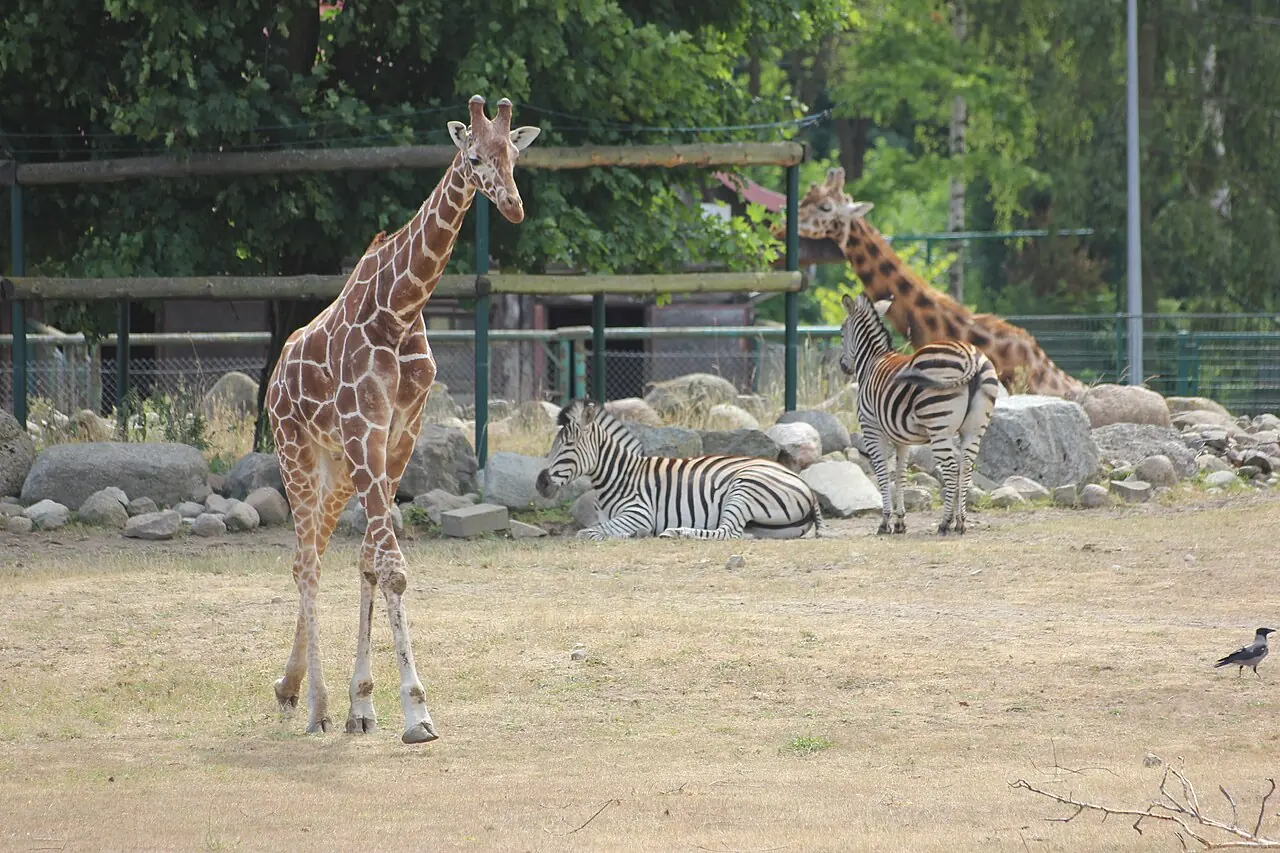 Photo Andrzej Otrębski, CC BY-SA 4.0, Wikimedia Commons

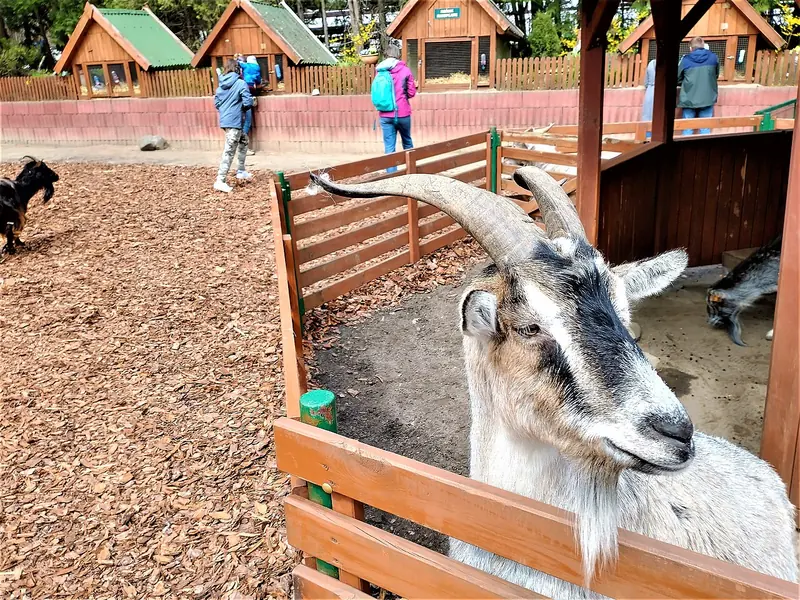 Photo MOs810, CC BY-SA 4.0, Wikimedia Commons1
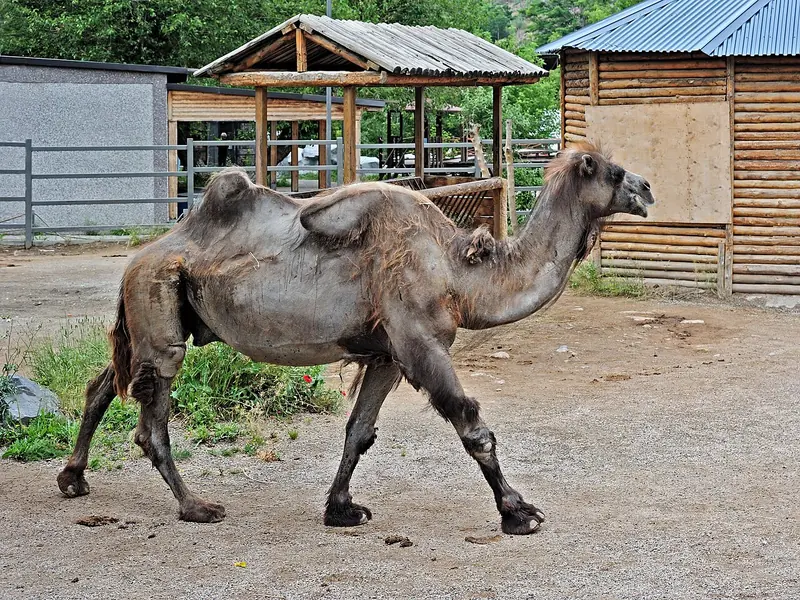 Photo Vsatinet, CC BY 4.0, Wikimedia Commons
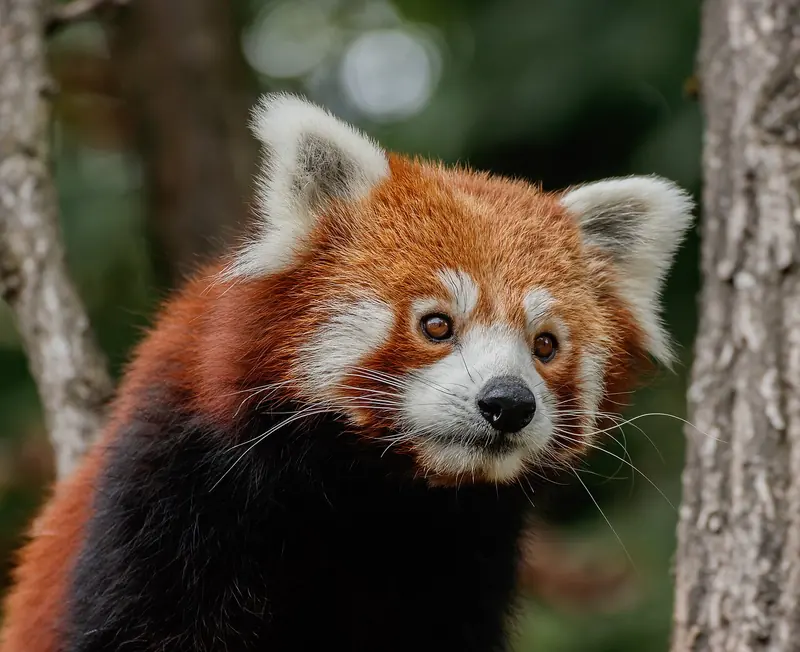 Photo H. Zell, CC BY-SA 3.0, Wikimedia Commons
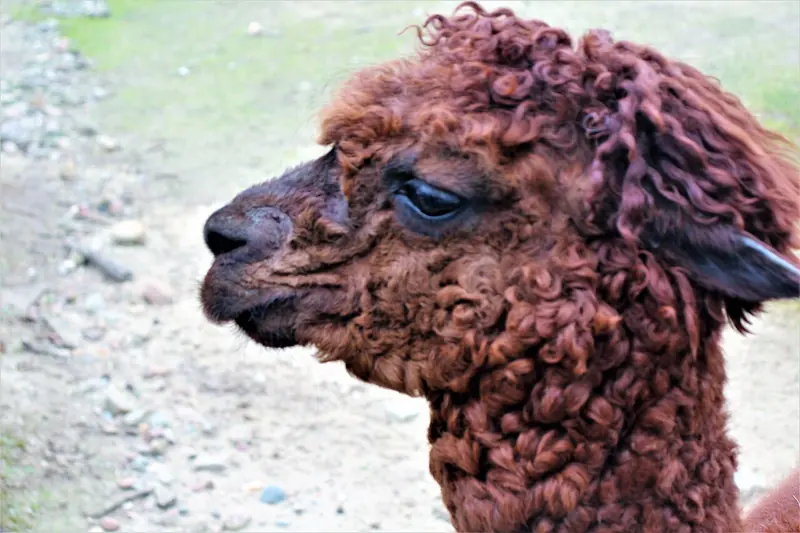 Photo MOs810, CC BY-SA 4.0, Wikimedia Commons
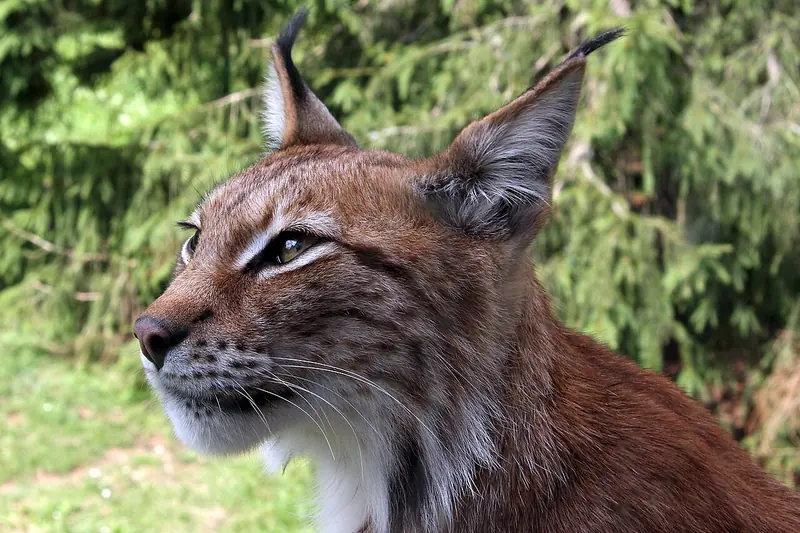 Photo This image was produced by me, David Castor (…, Public domain, Wikimedia Commons
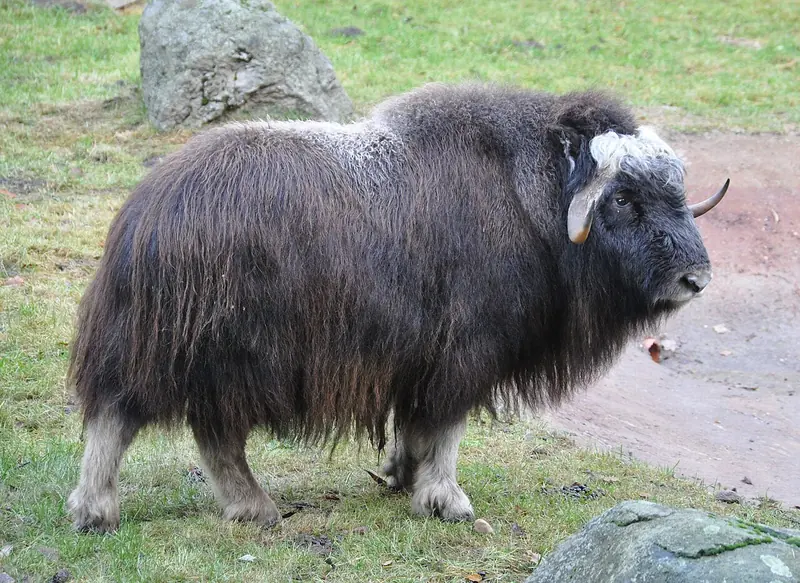 Photo Quartl, CC BY-SA 3.0, Wikimedia Commons
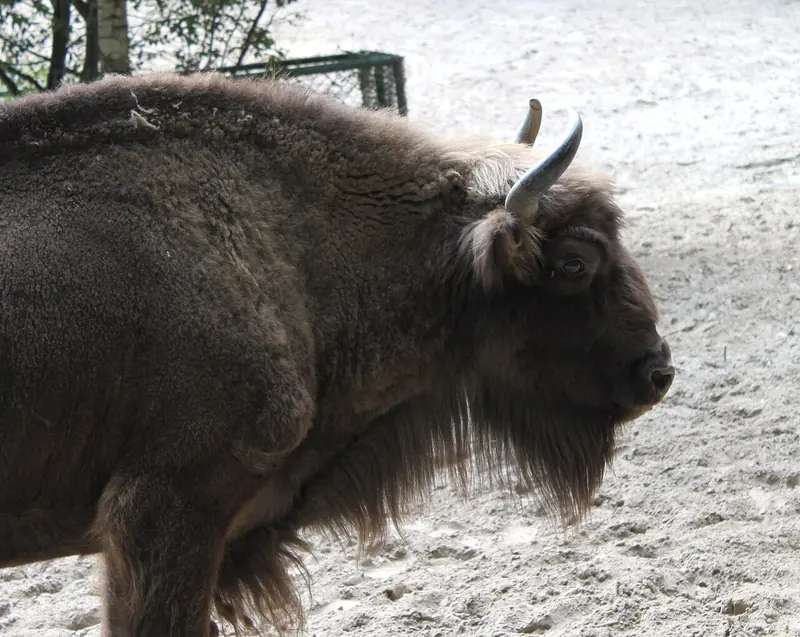 Photo Crusier, CC BY-SA 3.0, Wikimedia Commons
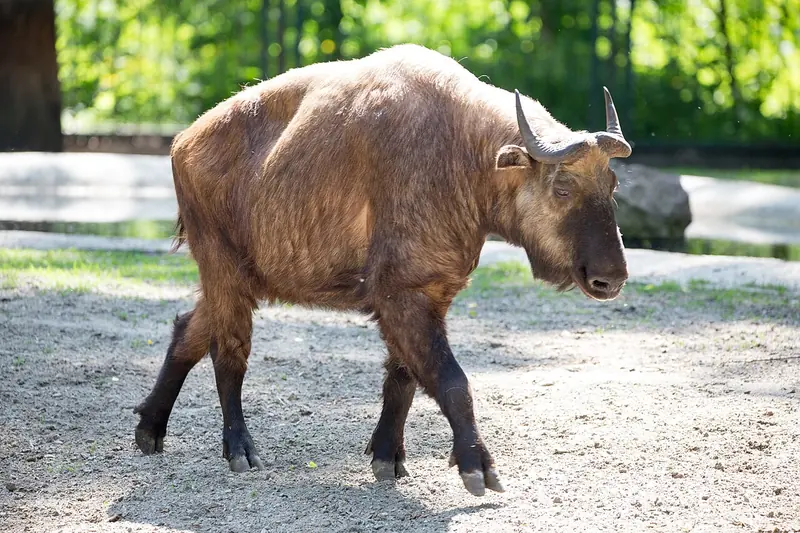 Photo GodeNehler, CC BY-SA 4.0, Wikimedia Commons
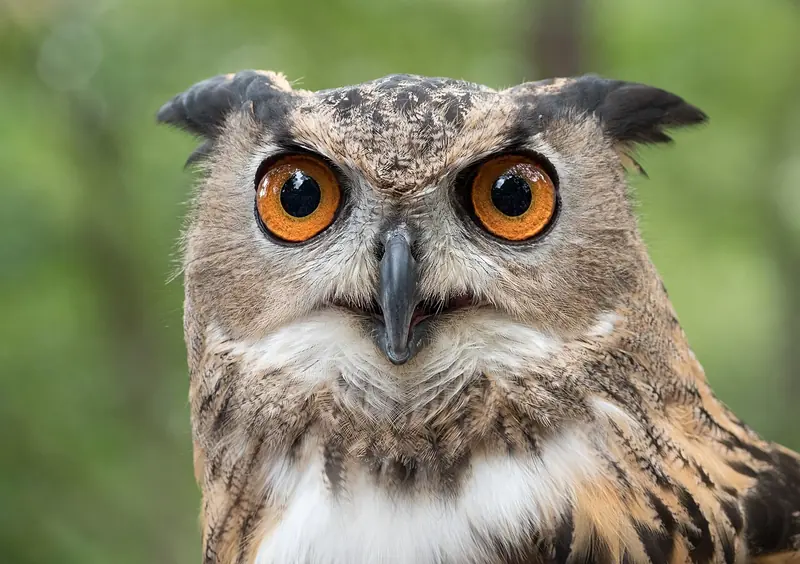 Photo Rhododendrites, CC BY-SA 4.0, Wikimedia Commons
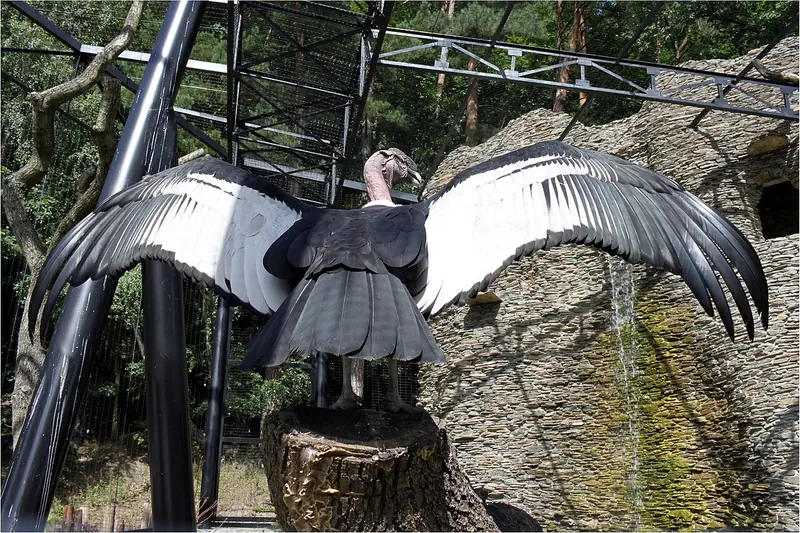 Photo Crusier, CC BY-SA 3.0, Wikimedia Commons
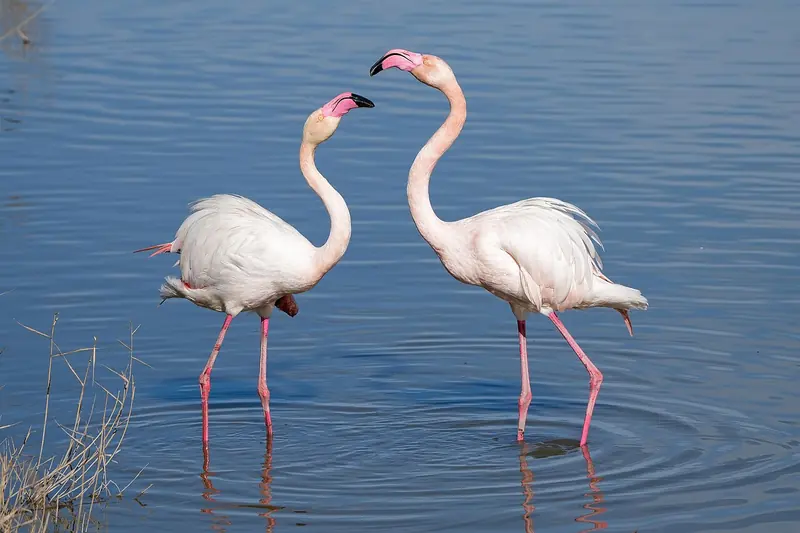 Photo Giles Laurent, CC BY-SA 4.0, Wikimedia Commons
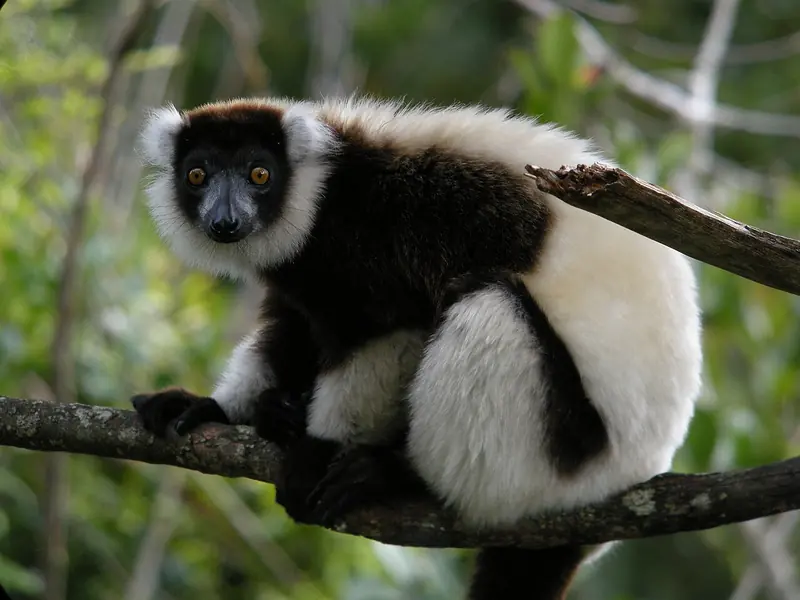 Photo Frank Vassen, CC BY 2.0, Wikimedia Commons
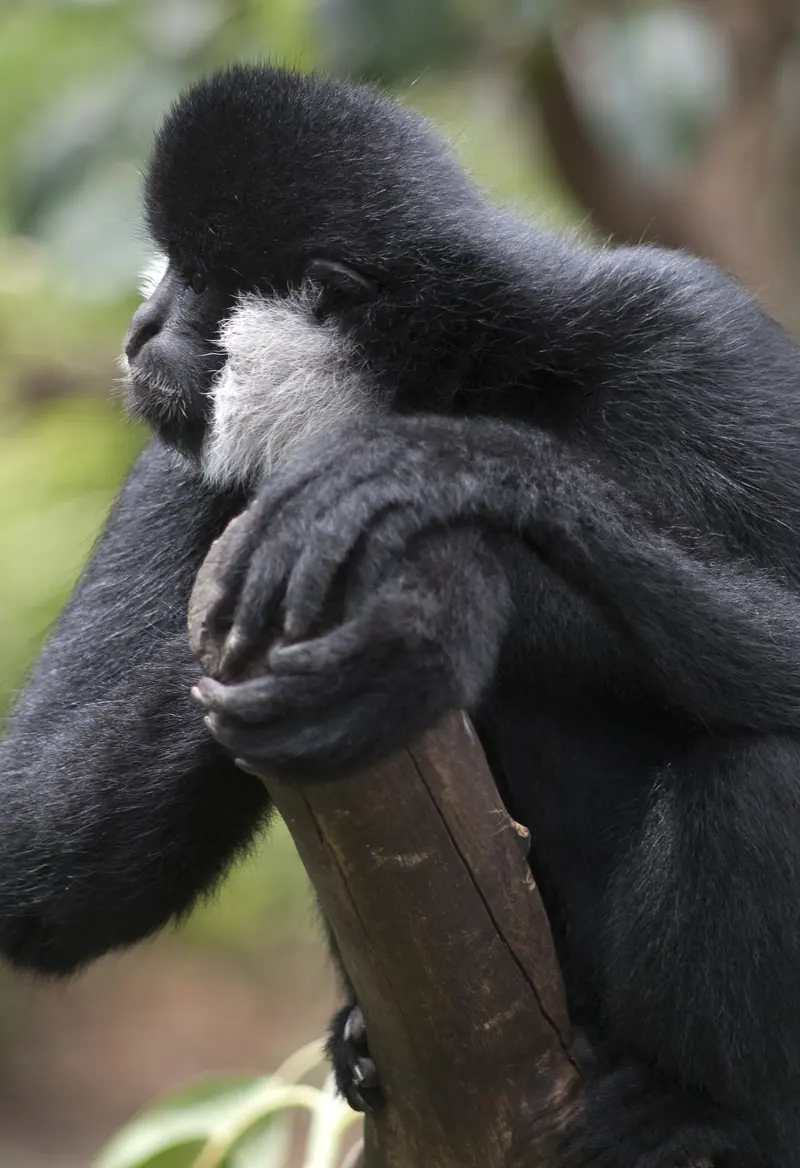 Photo Bilby, CC BY 3.0, Wikimedia Commons
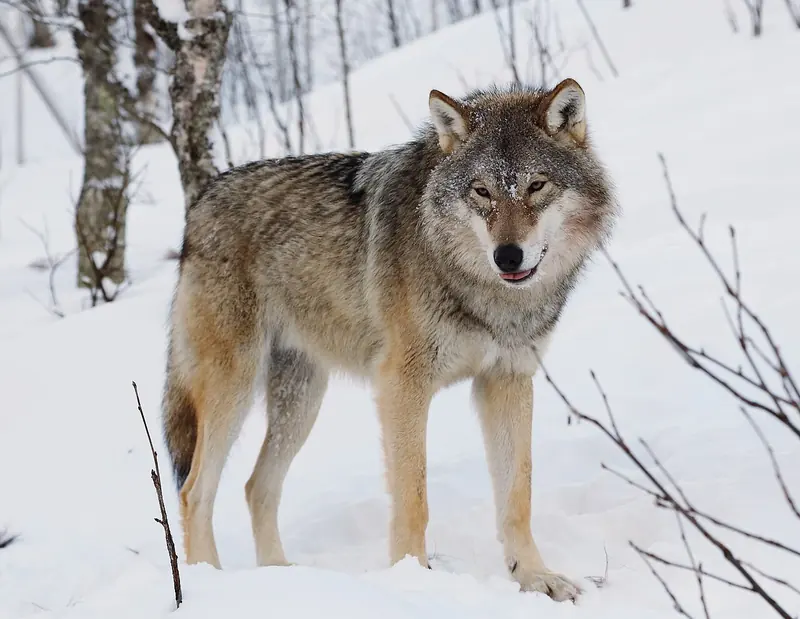 Photo User:Mas3cf, CC BY-SA 4.0, Wikimedia Commons
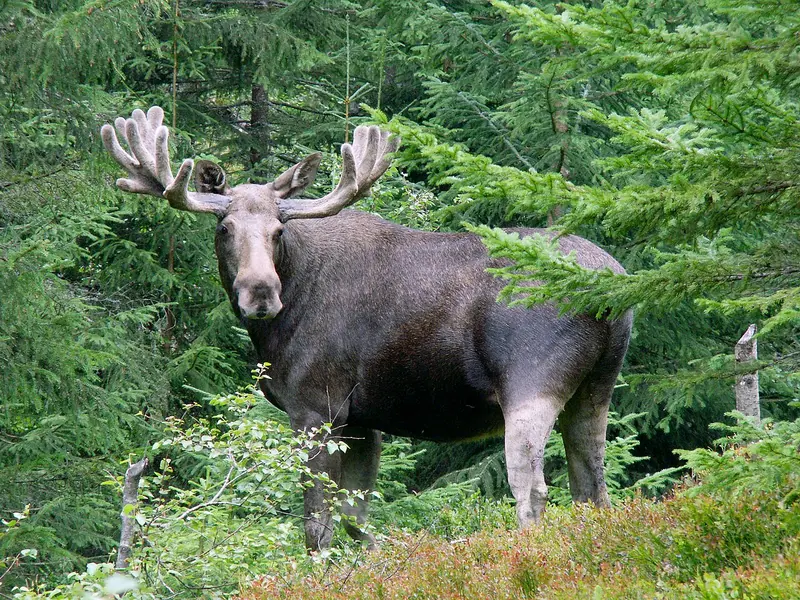 Photo Badzil, CC BY-SA 3.0, Wikimedia Commons
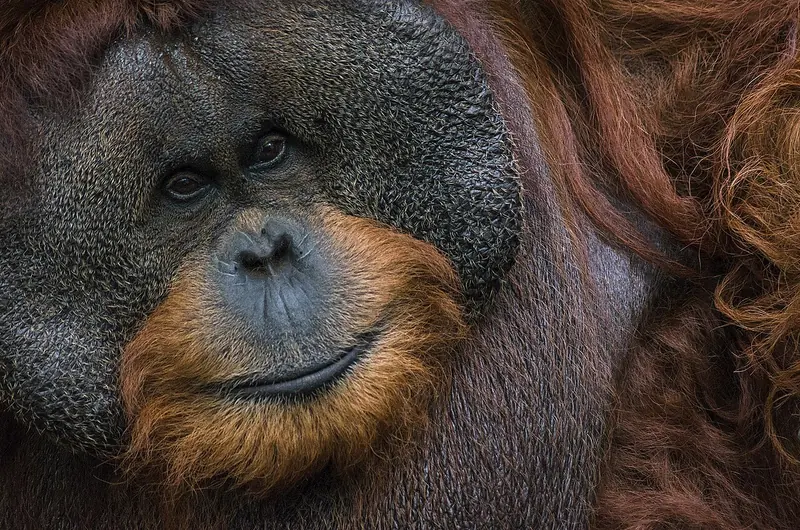 Photo Ridwan0810, CC BY-SA 4.0, Wikimedia Commons
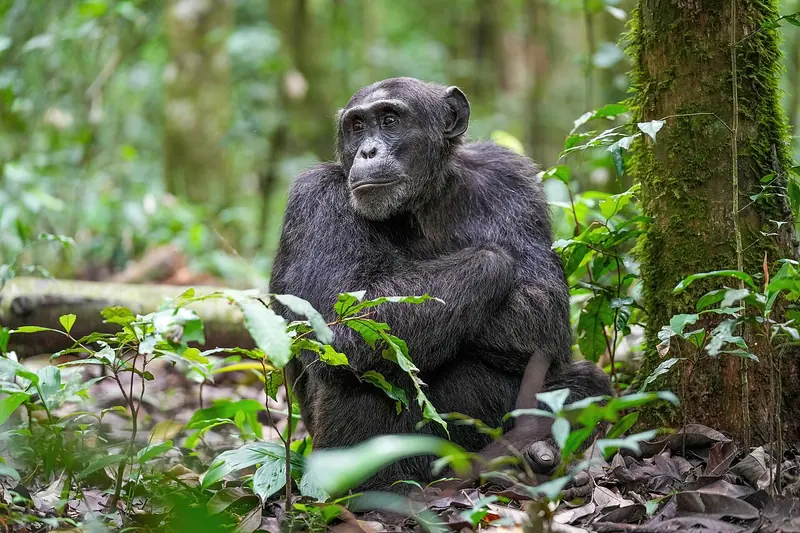 Photo Giles Laurent, CC BY-SA 4.0, Wikimedia Commons
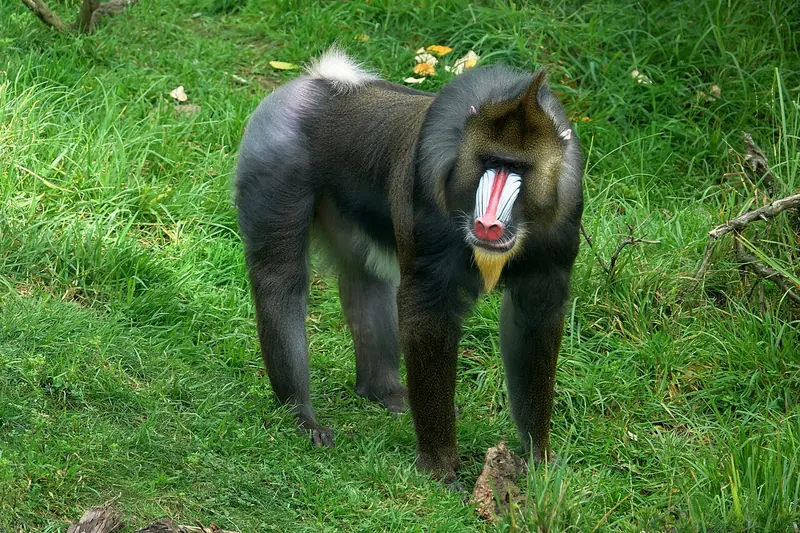 Photo Sanjay Acharya, CC BY-SA 4.0, Wikimedia Commons
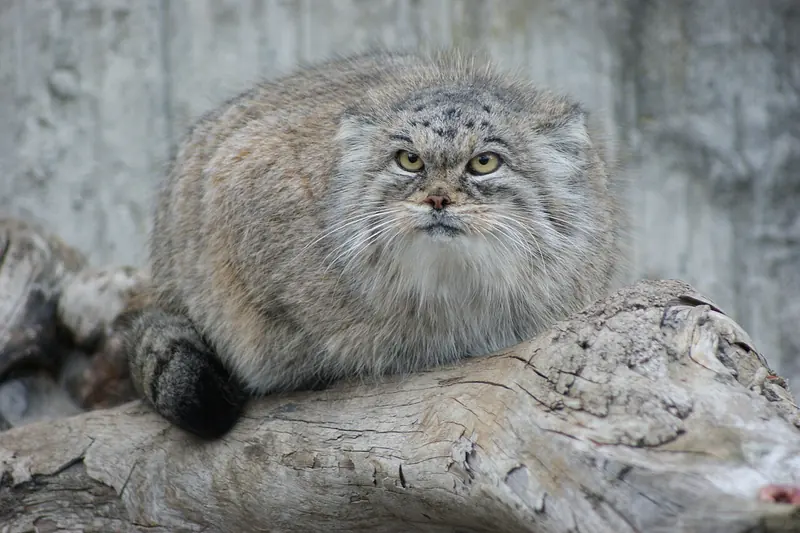 Photo Albinfo, CC BY-SA 3.0, Wikimedia Commons
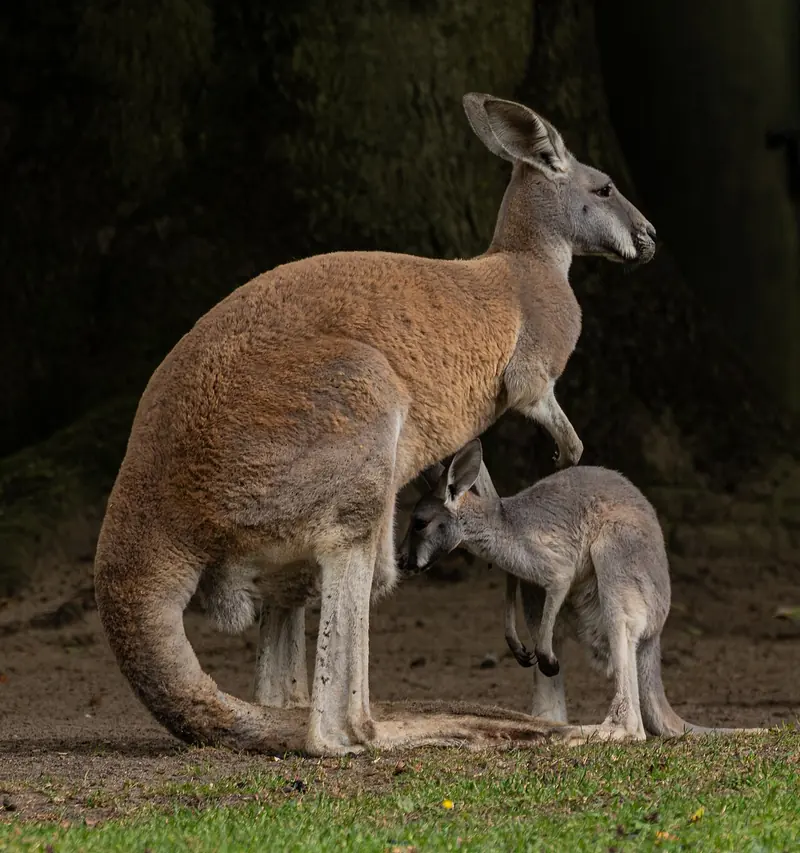 Photo H. Zell, CC BY-SA 3.0, Wikimedia Commons
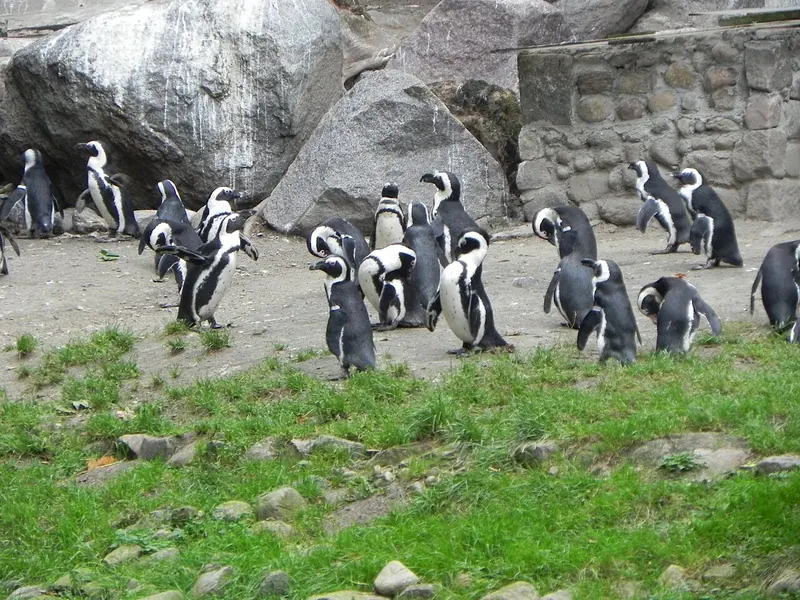 Photo Sławek Zawadzki, CC BY-SA 3.0, Wikimedia Commons
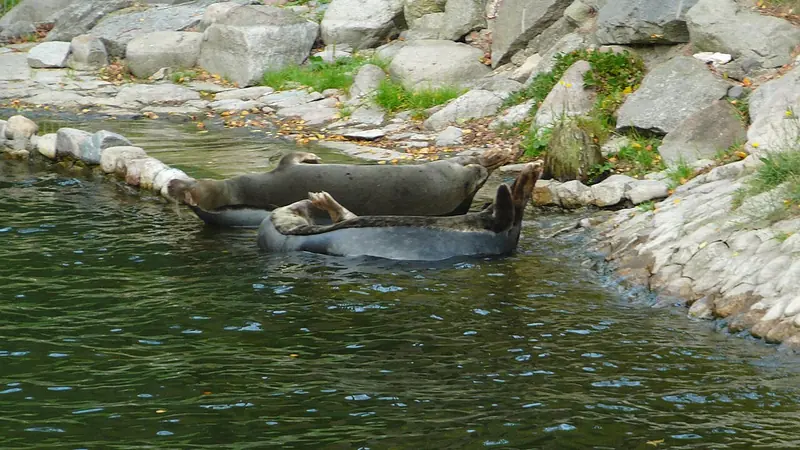 Photo Mirek12, CC BY-SA 4.0, Wikimedia Commons
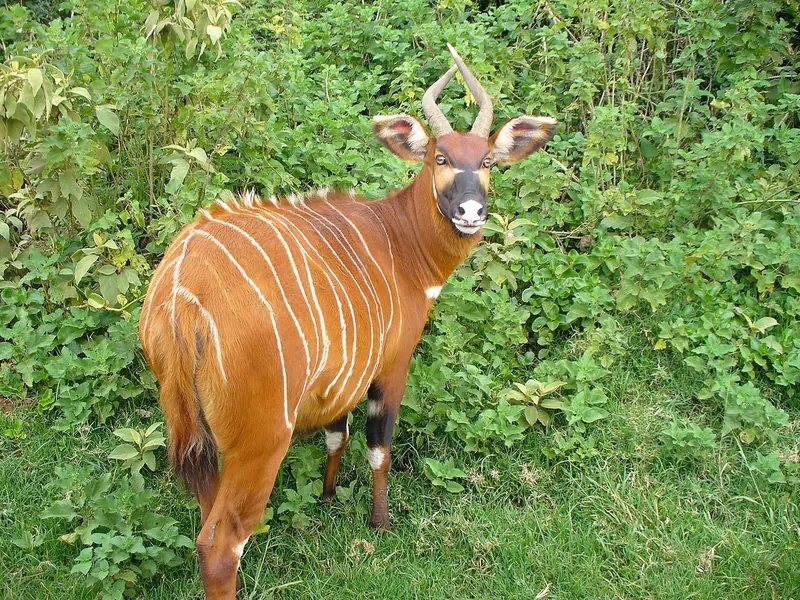 Photo Chuckupd at English Wikipedia, Public domain, Wikimedia Commons
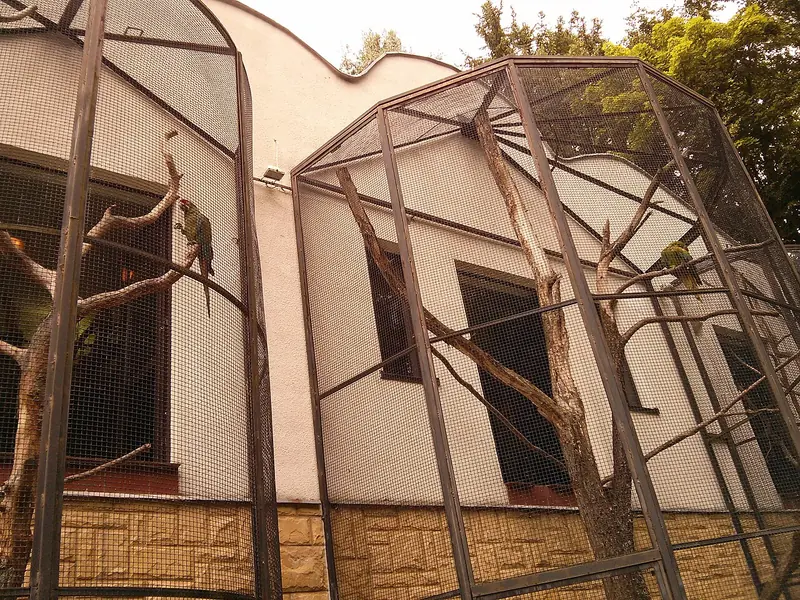 Photo Andrei Guliaikin (Ан…, CC BY 3.0, Wikimedia Commons
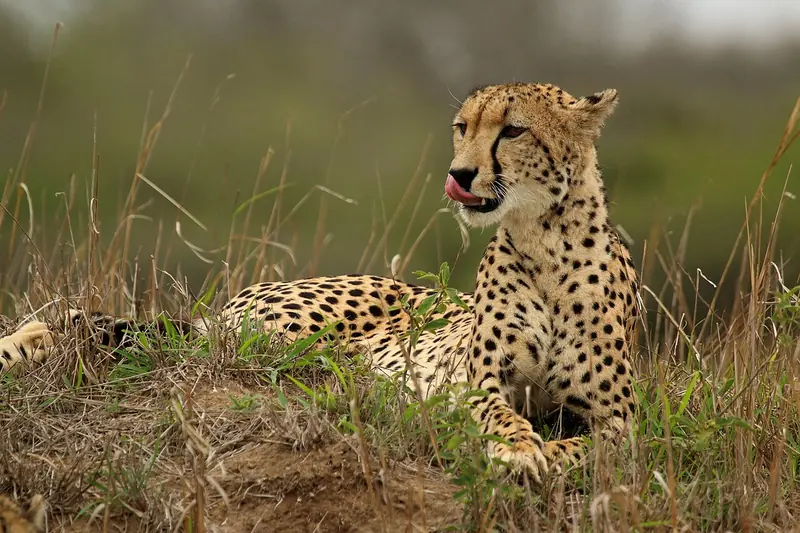 Photo Charles J. Sharp, CC BY-SA 4.0, Wikimedia Commons
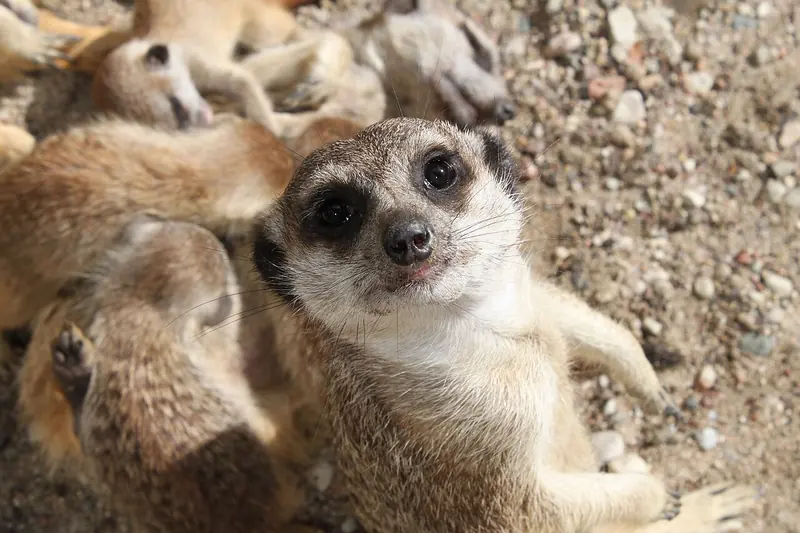 Photo Crusier, CC BY-SA 3.0, Wikimedia Commons
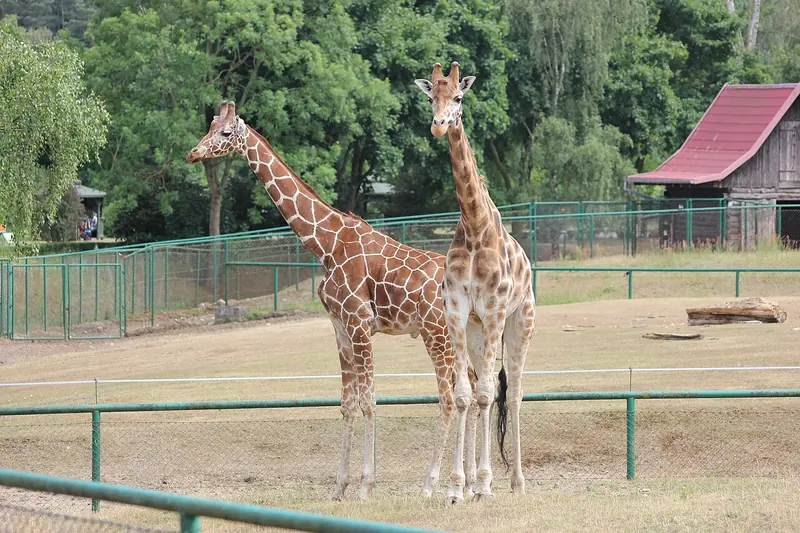 Photo Andrzej Otrębski, CC BY-SA 4.0, Wikimedia Commons
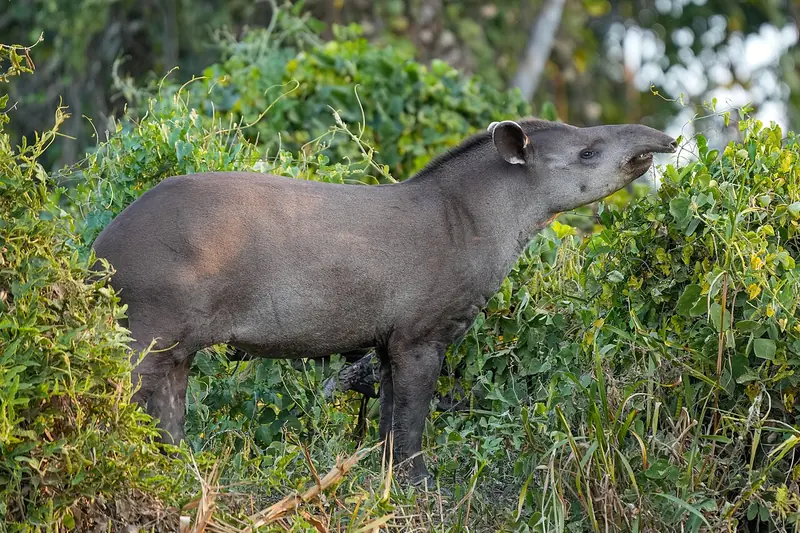 Photo Giles Laurent, CC BY-SA 4.0, Wikimedia Commons
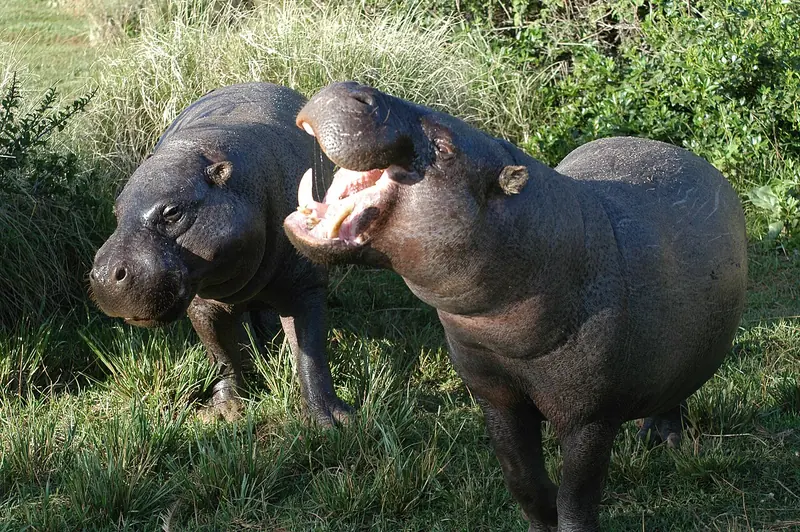 Photo Chuckupd, Public domain, Wikimedia Commons
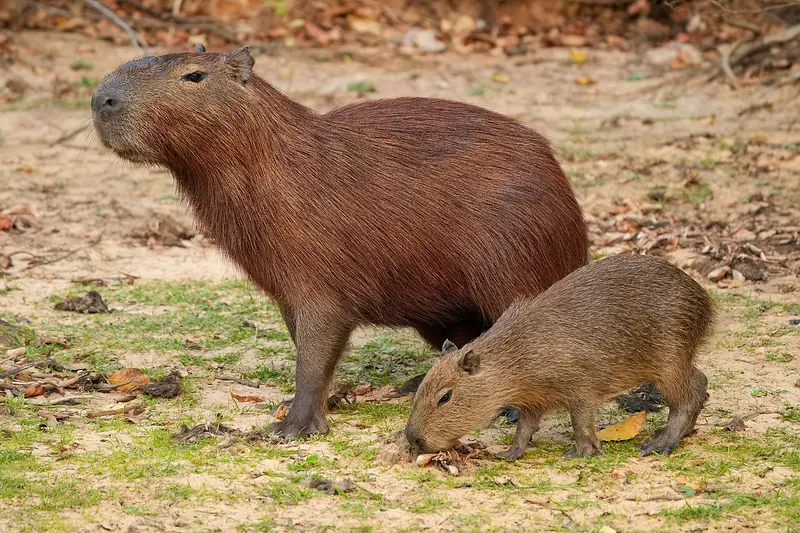 Photo Giles Laurent, CC BY-SA 4.0, Wikimedia Commons
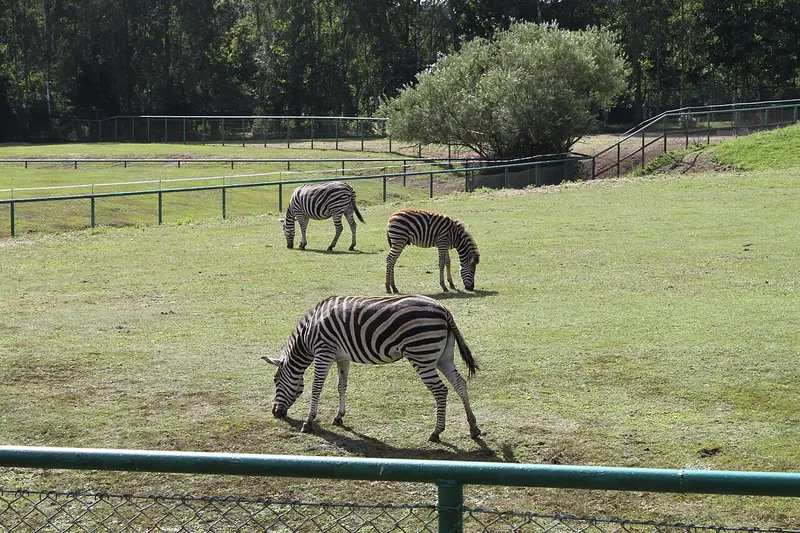 Photo Crusier, CC BY-SA 3.0, Wikimedia Commons
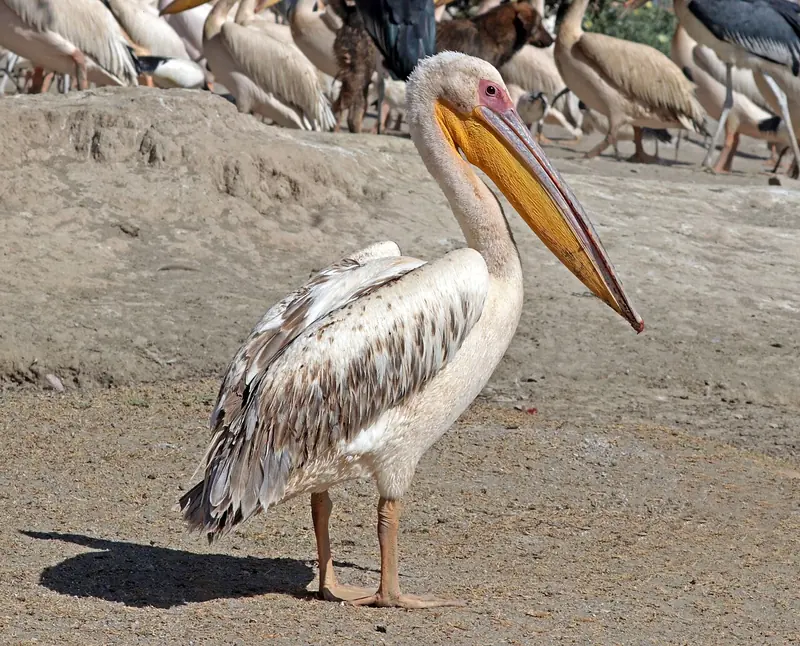 Photo Charles J. Sharp, CC BY-SA 4.0, Wikimedia Commons
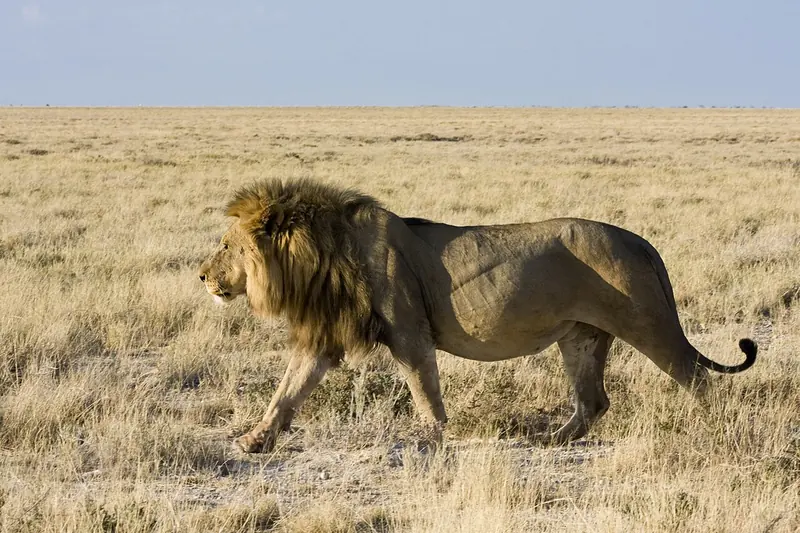 Photo Namibia11, CC BY-SA 2.0 de, Wikimedia Commons
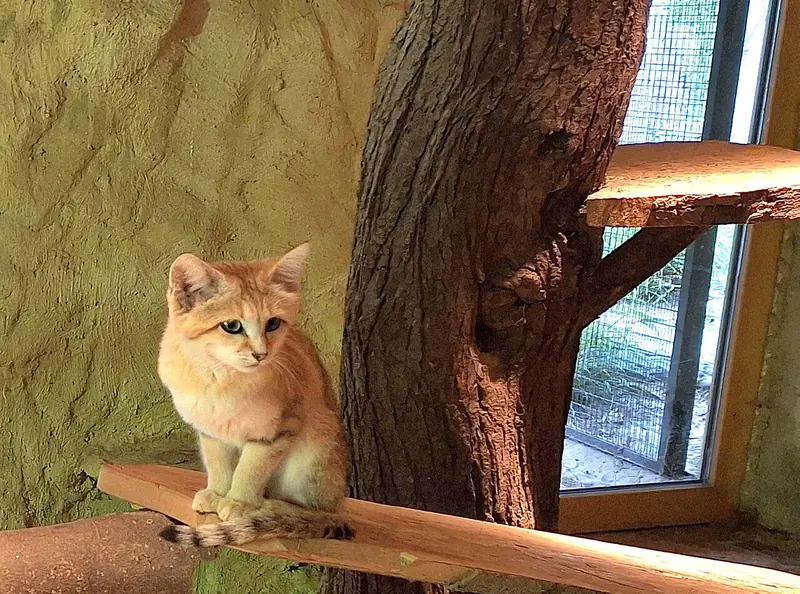 Photo Ramsch, CC BY-SA 4.0, Wikimedia Commons
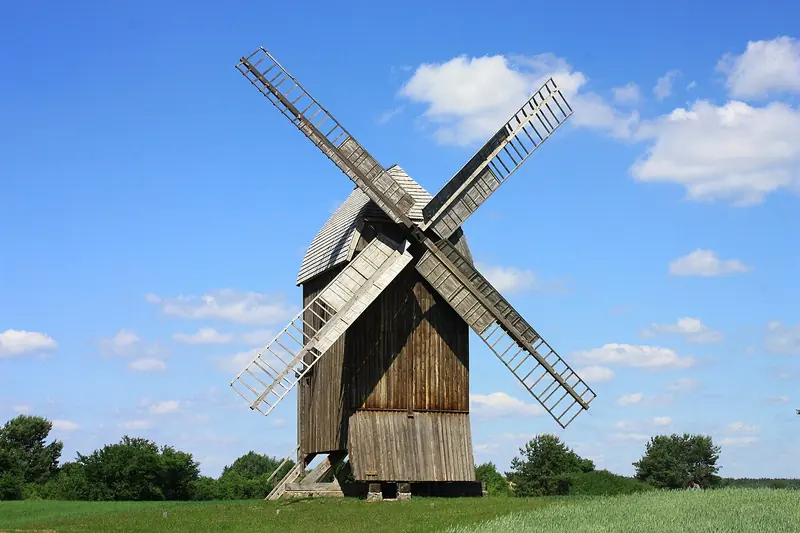 Photo Dawid Galus, CC BY-SA 3.0 pl, Wikimedia Commons
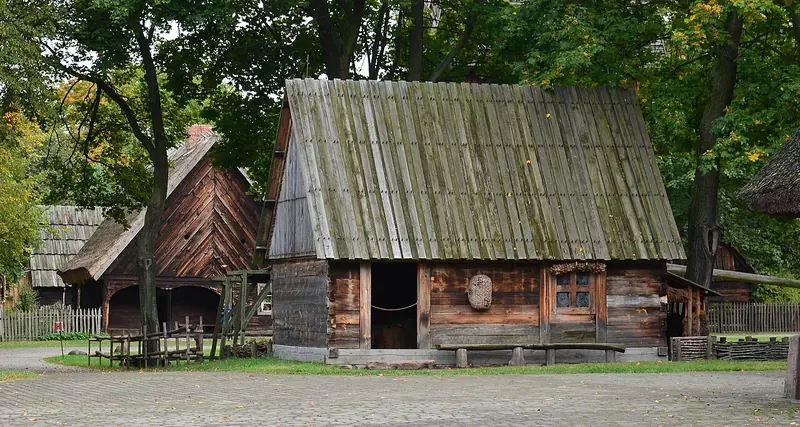 Photo 1bumer, CC BY-SA 4.0, Wikimedia Commons
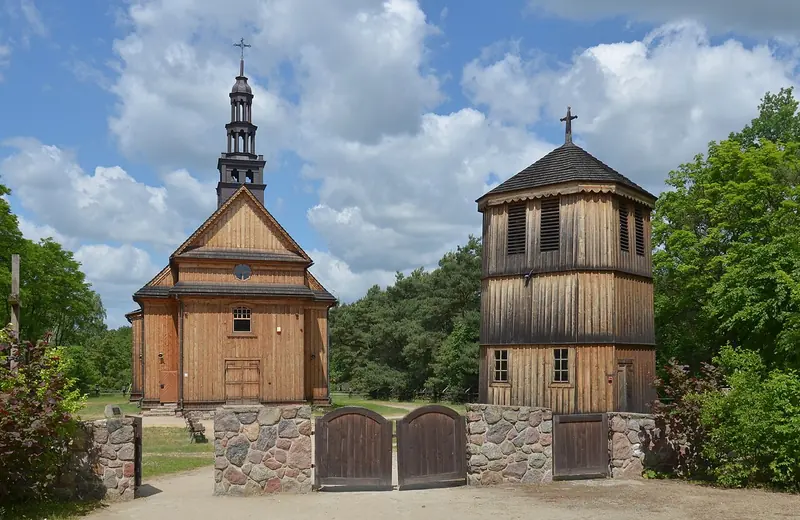 Photo 1bumer, CC BY-SA 4.0, Wikimedia Commons