free entrymuseums and towers have separate tickets
The walk starts on the Market Square and ends on the Vistula riverside, a few minutes away. If you are already in town, Turi will guide you from the nearest point. Kazimierz lies among hills: steep paths and steps lead to the castle, the tower and Three Crosses Hill, and a pushchair cannot manage them, so with a little one it is better to bring a carrier. The Market Square and the streets are paved with cobblestones. Walking around the town is free. Tickets are needed for the castle and tower, Three Crosses Hill and the Vistula Museum in the Celej House, among others. It gets crowded at weekends and in the summer holidays; mornings are quietest. Toilets can be found near the Celej House and the monastery, among other places.
At home, open the place in Turi and tap “Save for offline”: the map, descriptions and photos will work without signal.
Visit the farthest points first, while you still have energy.
Tick things off as you go, and by the exit you’ll know what’s left.
Kazimierz Dolny in the Turi app
Live position, a route from point to point, descriptions to read and listen to. Free, no account, and in English, German and Ukrainian too.
The same map as in the app. Tap a point to see its photo and description; in Turi you’ll see yourselves on it too.
1recommended, in route orderother pointsWCtoilets, food, tickets
Map: OpenStreetMap (ODbL). Descriptions and photos: Turi and Wikimedia Commons. Something not right? Report it in the app at that point.
Worth seeing
Kazimierz Dolny is a painters' town on the Vistula, squeezed between the river and loess hills. The walk starts on the Market Square with its old well and the town houses where Saint Christopher is as big as a house. You will stroke Werniks the dog, explore the castle ruins and the tower, and from Three Crosses Hill see the whole area. Then the route goes down through the Small Market Square to the monastery on the hill and ends on the Vistula riverside.
Photo BB 22385, CC BY-SA 4.0, Wikimedia Commons1
Attraction
Market Square and well
The heart of Kazimierz for six hundred years. In the middle stands a wooden well with a little roof, whose present casing was designed in 1913 by the architect Jan Koszczyc Witkiewicz. In the past, grain was traded on the square and floated down the Vistula to Gdańsk. Today painters set up their easels here, and in the bakeries you can buy a Kazimierz rooster made of dough. According to legend, a rooster once drove the devil out of town.
Photo Enzo83, CC BY-SA 3.0 pl, Wikimedia Commons2
Building / monument
Przybyła Houses
Kazimierz's two most famous town houses belonged to the brothers Mikołaj and Krzysztof Przybyła, wealthy merchants. They finished rebuilding them in 1615 and had the facades decorated with their patron saints: Saint Nicholas stands on one, and a huge Saint Christopher with the Child on his shoulder on the other. Between the windows you will also find animals, strange creatures and Latin inscriptions. At ground level there are arcades, three arches for each house.
Photo Janmszymanowski, CC BY-SA 4.0, Wikimedia Commons3
Attraction
Werniks the dog
By the Market Square sits a bronze dog whose nose shines from being stroked. This is Werniks, a sculpture by Bogdan Markowski placed here in 2000. According to the local story, Werniks was the leader of all the street dogs of Kazimierz, moved to Gdańsk with his owner, and came back years later to pose for the statue. People say that stroking his nose brings good luck.
Photo Pankrzysztoff, CC BY-SA 3.0 pl, Wikimedia Commons4
Building / monument
Parish church
The parish church towers over the Market Square. The first church was built here in the 14th century, and after a town fire it was rebuilt between 1610 and 1613 in a style known as the Lublin Renaissance. Inside, look up: the vault is covered with a net of decorative ribs. The organ from 1620 is among the oldest surviving in Poland and is still played.
Photo Jakub Hałun, CC BY-SA 4.0, Wikimedia Commons5
Building / monument
Castle ruins
The castle was built in the 14th century on the orders of King Casimir the Great to guard the town and the Vistula crossing. During the Swedish Deluge, in 1655, it was captured and burned, and two years later it was wrecked by the troops of Prince Rákóczi. Since then it has been a ruin of white limestone. From the walls you can see the Market Square, the parish church and the bend of the Vistula, and in good weather the castle in Janowiec on the far bank.
Photo nieznany autor, CC BY-SA 3.0, Wikimedia Commons6
Building / monument
Tower
A few minutes up the path stands a round tower older than the castle, from the turn of the 13th and 14th centuries. It is about 20 metres high with walls 4 metres thick, and its only entrance was placed 6 metres above the ground to make it harder to capture. It guarded the Vistula crossing and customs duties were collected here. It is said that a fire was also lit on top to guide raftsmen at night, like a lighthouse. From the top you get the widest view in the area.
Photo Jakub Hałun, CC BY-SA 4.0, Wikimedia Commons7
Attraction
Three Crosses Hill
The most famous viewpoint in Kazimierz. The three wooden crosses were put up in 1708 in memory of the victims of a plague that devastated the town. Steep steps lead to the top, and the effort pays off: the Market Square lies at your feet, and beyond it you can see the parish church, the castle and the Vistula. Rare, protected plants grow on the slopes, so please stay on the path.
Photo Marek Mróz, CC BY-SA 4.0, Wikimedia Commons8
Building / monument
Celej House
The richest facade in Kazimierz. The house was built around 1635 for the grain merchant Bartłomiej Celej, and its decorative top, called an attic, takes up a full third of its height. Look for the figures of saints and fantastic creatures on it. The date 1578 above the gate is false and was added later. Inside is the Vistula Museum, with works by the painters who have been coming to Kazimierz for more than a hundred years.
Photo Scotch Mist, CC BY-SA 4.0, Wikimedia Commons9
Attraction
Vistula riverside
The walk ends by the Vistula. Kazimierz owes its wealth to the river: in the 16th and 17th centuries raftsmen floated grain from here to Gdańsk, and dozens of granaries stood along the bank. A few of them survive by the road to Puławy. Today excursion boats leave from the riverside, and in season a ferry crosses to the far bank, to Janowiec with its castle ruins. It is a good place to rest with a view of the water.
All points (14)
Grouped as in the map legend. A star marks recommended points.
Attraction 4
Market Square and well ★The heart of Kazimierz for six hundred years. In the middle stands a wooden well with a little roof, whose present casing was designed in 1913 by the architect Jan Koszczyc Witkiewicz. In the past, grain was traded on the square and floated down the Vistula to Gdańsk. Today painters set up their easels here, and in the bakeries you can buy a Kazimierz rooster made of dough. According to legend, a rooster once drove the devil out of town.
Werniks the dog ★By the Market Square sits a bronze dog whose nose shines from being stroked. This is Werniks, a sculpture by Bogdan Markowski placed here in 2000. According to the local story, Werniks was the leader of all the street dogs of Kazimierz, moved to Gdańsk with his owner, and came back years later to pose for the statue. People say that stroking his nose brings good luck.
Three Crosses Hill ★The most famous viewpoint in Kazimierz. The three wooden crosses were put up in 1708 in memory of the victims of a plague that devastated the town. Steep steps lead to the top, and the effort pays off: the Market Square lies at your feet, and beyond it you can see the parish church, the castle and the Vistula. Rare, protected plants grow on the slopes, so please stay on the path.
Vistula riverside ★The walk ends by the Vistula. Kazimierz owes its wealth to the river: in the 16th and 17th centuries raftsmen floated grain from here to Gdańsk, and dozens of granaries stood along the bank. A few of them survive by the road to Puławy. Today excursion boats leave from the riverside, and in season a ferry crosses to the far bank, to Janowiec with its castle ruins. It is a good place to rest with a view of the water.
Building / monument 7
Przybyła Houses ★Kazimierz's two most famous town houses belonged to the brothers Mikołaj and Krzysztof Przybyła, wealthy merchants. They finished rebuilding them in 1615 and had the facades decorated with their patron saints: Saint Nicholas stands on one, and a huge Saint Christopher with the Child on his shoulder on the other. Between the windows you will also find animals, strange creatures and Latin inscriptions. At ground level there are arcades, three arches for each house.
Parish church ★The parish church towers over the Market Square. The first church was built here in the 14th century, and after a town fire it was rebuilt between 1610 and 1613 in a style known as the Lublin Renaissance. Inside, look up: the vault is covered with a net of decorative ribs. The organ from 1620 is among the oldest surviving in Poland and is still played.
Castle ruins ★The castle was built in the 14th century on the orders of King Casimir the Great to guard the town and the Vistula crossing. During the Swedish Deluge, in 1655, it was captured and burned, and two years later it was wrecked by the troops of Prince Rákóczi. Since then it has been a ruin of white limestone. From the walls you can see the Market Square, the parish church and the bend of the Vistula, and in good weather the castle in Janowiec on the far bank.
Tower ★A few minutes up the path stands a round tower older than the castle, from the turn of the 13th and 14th centuries. It is about 20 metres high with walls 4 metres thick, and its only entrance was placed 6 metres above the ground to make it harder to capture. It guarded the Vistula crossing and customs duties were collected here. It is said that a fire was also lit on top to guide raftsmen at night, like a lighthouse. From the top you get the widest view in the area.
Celej House ★The richest facade in Kazimierz. The house was built around 1635 for the grain merchant Bartłomiej Celej, and its decorative top, called an attic, takes up a full third of its height. Look for the figures of saints and fantastic creatures on it. The date 1578 above the gate is false and was added later. Inside is the Vistula Museum, with works by the painters who have been coming to Kazimierz for more than a hundred years.
Small Market Square and synagogueThe Small Market Square was the centre of the Jewish quarter, because before the Second World War Jews made up a large part of Kazimierz's population. The stone synagogue dates from the second half of the 18th century. After the war it was turned into a cinema, and today concerts and film screenings are held here. Next to it stand wooden butchers' stalls from the early 19th century, with a porch on posts.
Reformed Franciscan MonasteryCovered, roofed stairs lead up the hill. The church was funded in 1591 by merchants of the Przybyła family, the same family that owned the houses on the Market Square, and in 1627 Reformed Franciscan friars settled beside it. In the monastery courtyard there is a well under a wooden roof. From in front of the church you can see the roofs of the town and Three Crosses Hill on the other side of the valley.
Toilets / tickets / parking 3
Tourist information at the Market SquareThe tourist information point is at the Market Square. It is a good place to start: Kazimierz's main sights are a few minutes' walk from here. It is best to leave the car at one of the car parks on the way into town, because the centre is cramped.

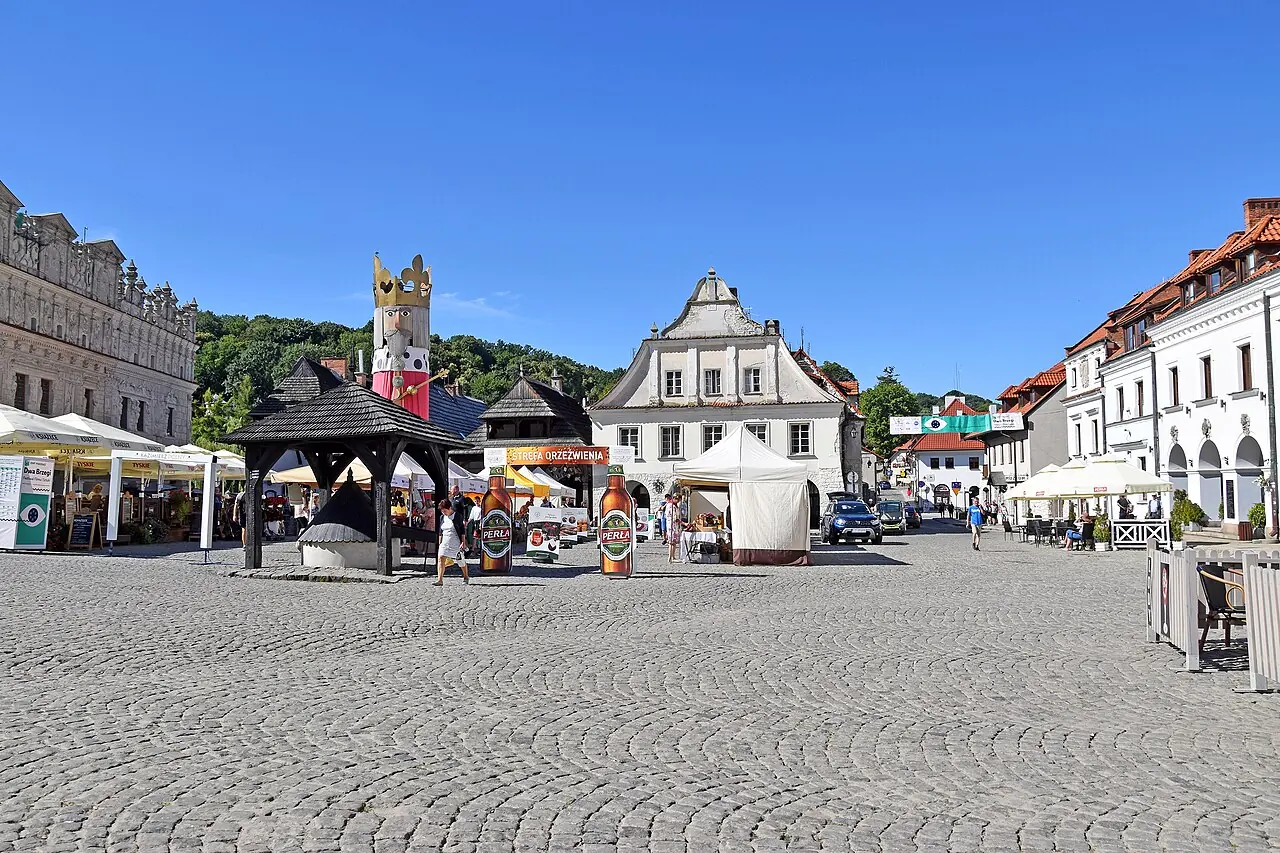 Photo BB 22385, CC BY-SA 4.0, Wikimedia Commons

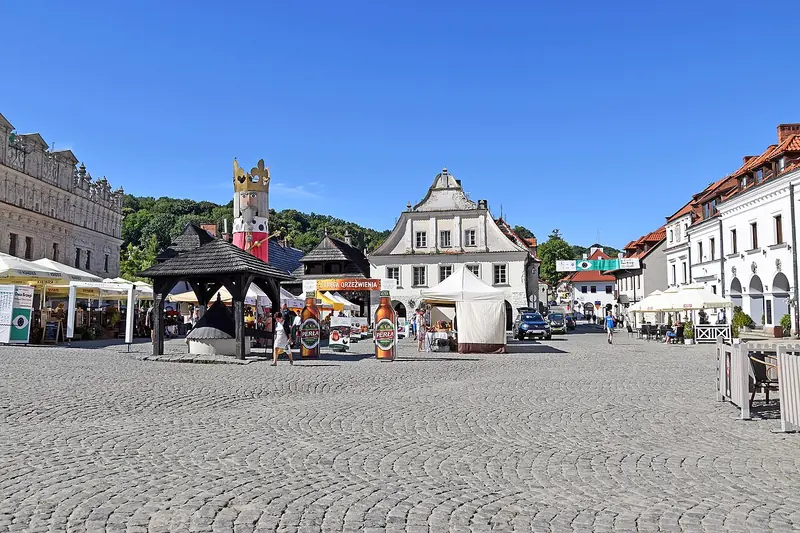 Photo BB 22385, CC BY-SA 4.0, Wikimedia Commons1
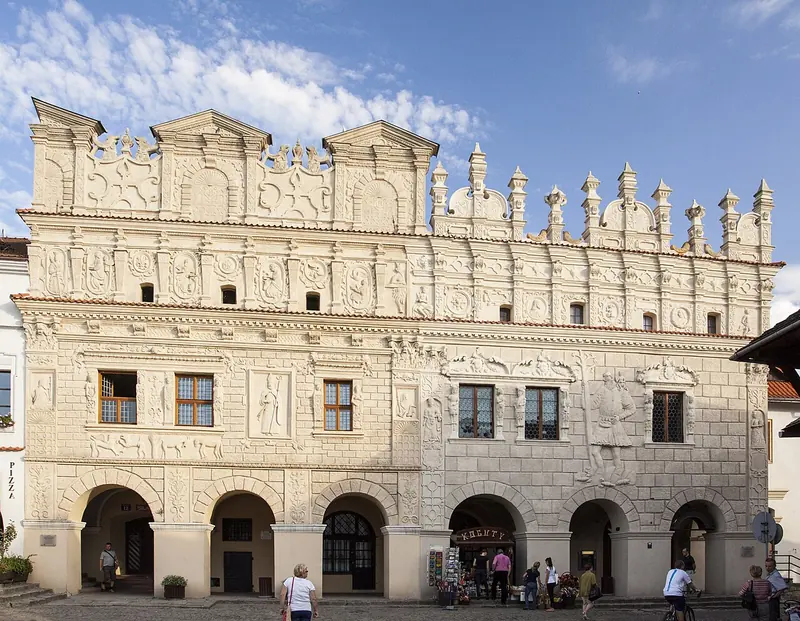 Photo Enzo83, CC BY-SA 3.0 pl, Wikimedia Commons
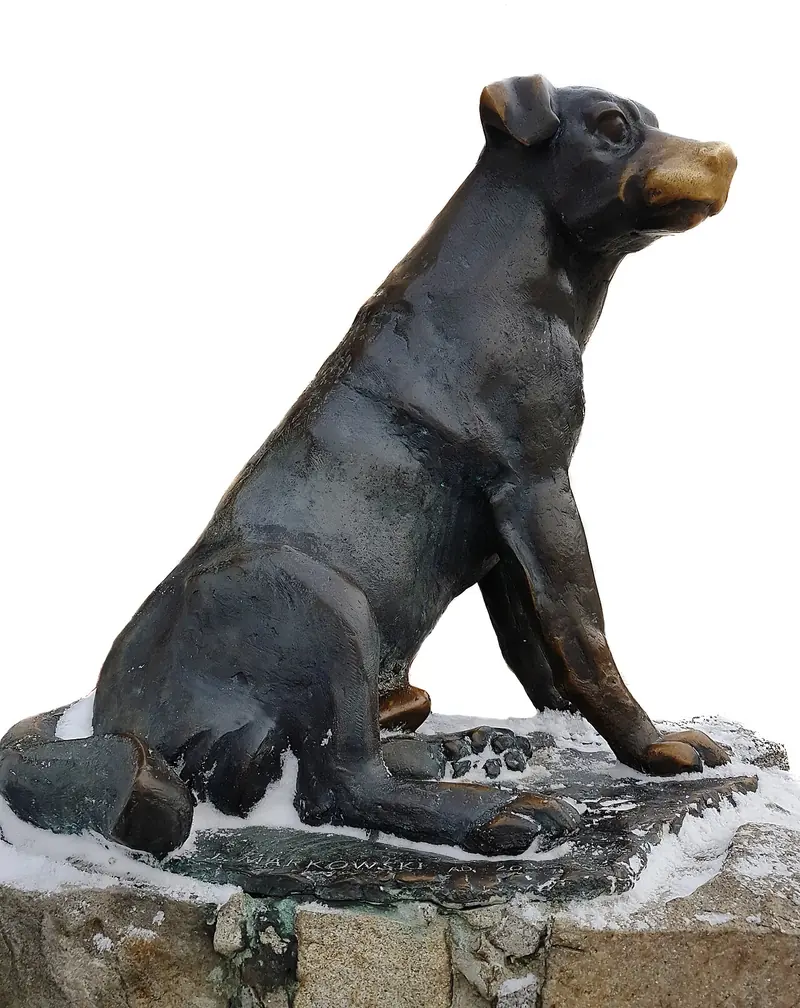 Photo Janmszymanowski, CC BY-SA 4.0, Wikimedia Commons
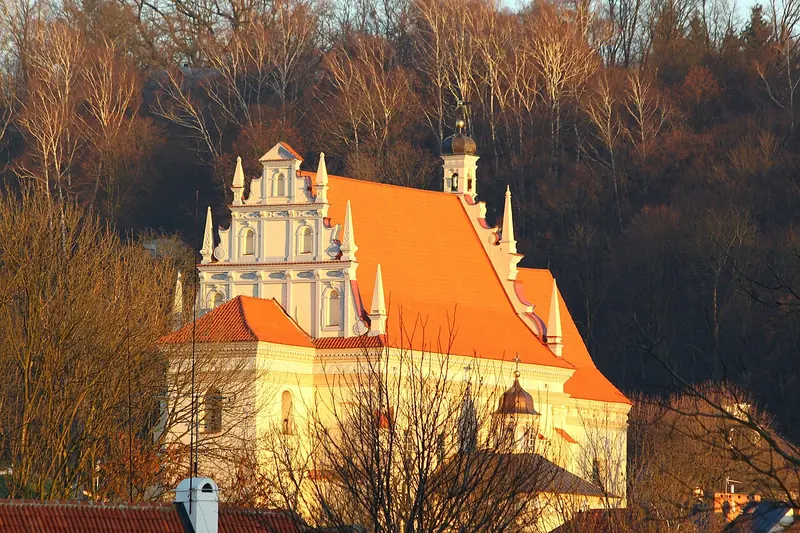 Photo Pankrzysztoff, CC BY-SA 3.0 pl, Wikimedia Commons
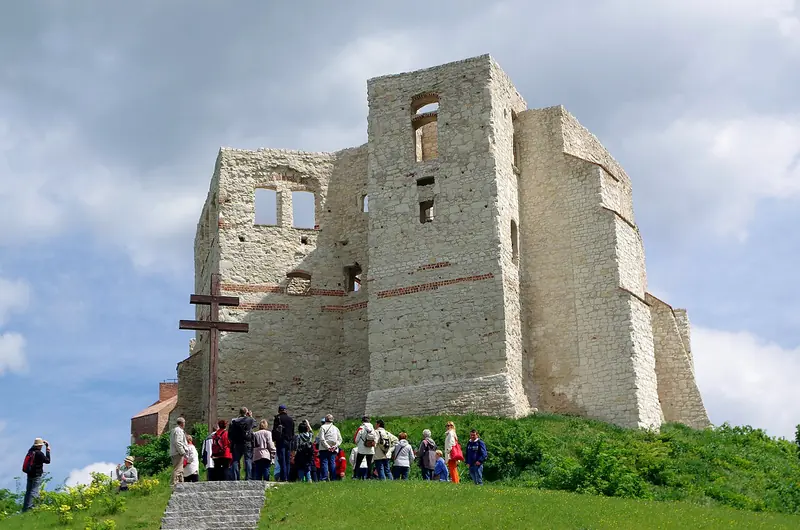 Photo Jakub Hałun, CC BY-SA 4.0, Wikimedia Commons
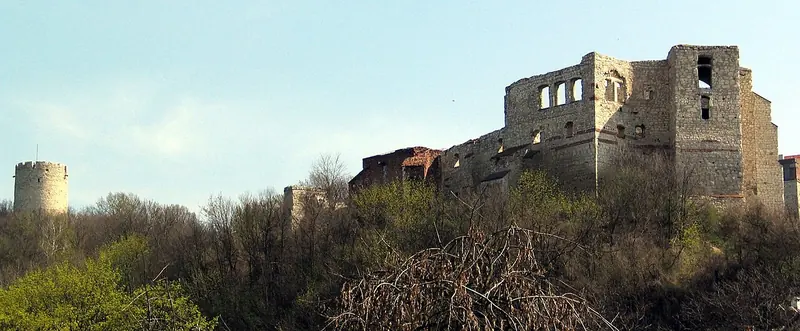 Photo nieznany autor, CC BY-SA 3.0, Wikimedia Commons
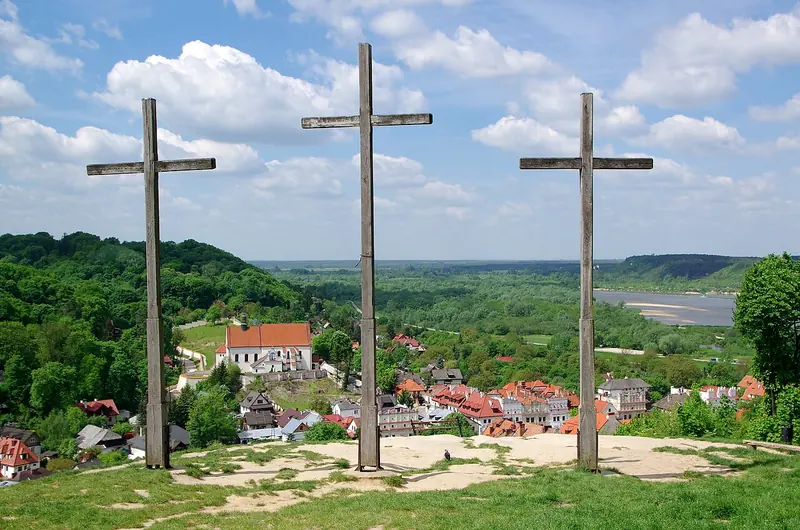 Photo Jakub Hałun, CC BY-SA 4.0, Wikimedia Commons
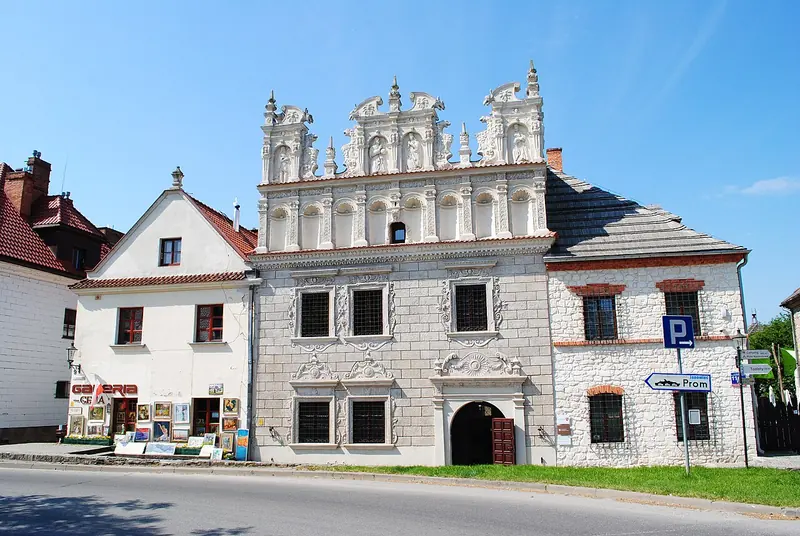 Photo Marek Mróz, CC BY-SA 4.0, Wikimedia Commons
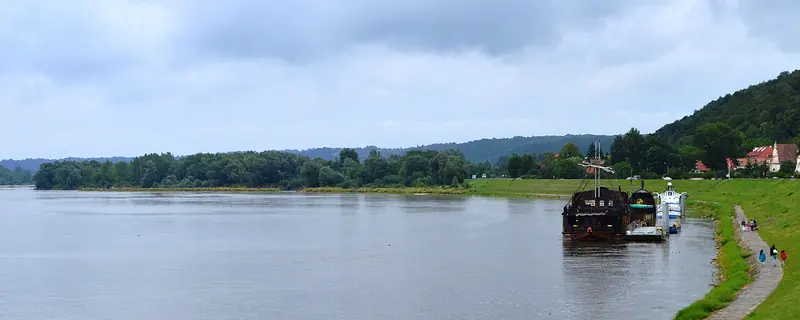 Photo Scotch Mist, CC BY-SA 4.0, Wikimedia Commons
 Photo M.Bucka, CC BY-SA 4.0, Wikimedia Commons
 Photo Alians PL, CC BY-SA 3.0 pl, Wikimedia Commons
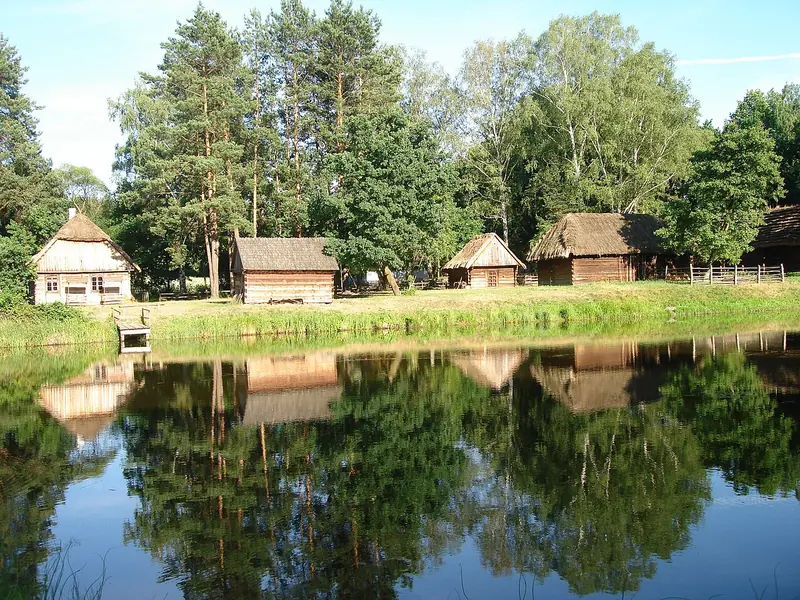 Photo M.Bucka, CC BY-SA 4.0, Wikimedia Commons