Photo Jakub Hałun, CC BY-SA 4.0, Wikimedia Commons
Old townSandomierz, Holy Cross region
Sandomierz Old Town with children: what to see, map and route
Old Town in Sandomierz. In the Turi app, the same map shows your position, guides you from point to point and lets you tick off the places you’ve visited.
free entrymuseums and towers have separate tickets
The walk starts at the Opatów Gate and ends in Queen Jadwiga's Ravine, on the other side of the Old Town. If you are already inside, Turi will guide you from the nearest point. The town lies on hills: the streets are cobbled and steep in places, there are steps at the Needle's Eye and an uneven path in the ravine, so it is best to skip those with a pushchair. After rain the ravine can be slippery. Walking around the town is free. Tickets are needed for the Opatów Gate, the Underground Tourist Route, the Diocesan Museum in the Długosz House and the castle museum, among others. At noon a bugle call is played from the town hall tower. Toilets can be found at the Small Market Square, near the cathedral and by the castle, among other places.
At home, open the place in Turi and tap “Save for offline”: the map, descriptions and photos will work without signal.
Visit the farthest points first, while you still have energy.
Tick things off as you go, and by the exit you’ll know what’s left.
Sandomierz Old Town in the Turi app
Live position, a route from point to point, descriptions to read and listen to. Free, no account, and in English, German and Ukrainian too.
The same map as in the app. Tap a point to see its photo and description; in Turi you’ll see yourselves on it too.
1recommended, in route orderother pointsWCtoilets, food, tickets
Map: OpenStreetMap (ODbL). Descriptions and photos: Turi and Wikimedia Commons. Something not right? Report it in the app at that point.
Worth seeing
Sandomierz sits on hills above the Vistula and looks like a film set, and rightly so: the Polish TV series Ojciec Mateusz has been filmed here for years. The walk starts at the Opatów Gate, from which you can see the whole town, and leads to the sloping Market Square with its town hall. You will go down into the dungeons where, according to legend, Halina Krępianka trapped the Tatars, squeeze through the Needle's Eye, and visit the cathedral and the castle. The route ends in the loess ravine of Queen Jadwiga, where tree roots hang overhead.
Photo Strumyczek, CC BY-SA 4.0, Wikimedia Commons1
Building / monument
Opatów Gate
The only one of Sandomierz's four medieval gates that has survived. It was built in the 14th century, funded by King Casimir the Great, and two hundred years later a local doctor, Stanisław Bartolon, paid for its decorative top, called an attic. Stairs lead to the top. From the terrace you can see the Old Town roofs, the church towers and the Vistula valley, so it is a good place to look over the whole route from above.
Photo Jolanta Dyr, CC BY-SA 3.0, Wikimedia Commons2
Attraction
Underground Tourist Route
Beneath the houses of the Market Square run old merchants' cellars from the 14th and 15th centuries. They have been joined into a route 470 metres long: 34 chambers, the deepest 12 metres below ground. You enter from the side of the Oleśnicki House and come out by the town hall. The guide tells the legend of Halina Krępianka, who lured the enemy into the dungeons during a Tatar raid while the townspeople blocked the entrance behind them. It is cool down there, so bring a jumper.
Photo Jakub Hałun, CC BY-SA 4.0, Wikimedia Commons3
Attraction
Market Square and Town Hall
The Market Square in Sandomierz is on a slope: it clearly drops from one end to the other, which you can see best when you stand by the well. In the middle stands the town hall from 1349 with a Renaissance attic and a white tower. Look for the sundial on the south wall, and at noon listen to the bugle call from the tower. If the square looks familiar, it is probably from television: the Polish series Ojciec Mateusz (Father Matthew) has been filmed here since 2008.
Photo Andrzej Otrębski, CC BY-SA 3.0, Wikimedia Commons4
Attraction
Needle's Eye
This narrow passage in the town walls really does look like the eye of a needle. It is the Dominican Postern from the 14th century, the only survivor of two posterns, small gates for people on foot only. According to tradition, Dominican friars used it to walk between their two monasteries. Beyond the gate, steps lead down towards the castle and the ravines. See whether two of you can walk through side by side.
Photo Nihil novi, CC BY-SA 3.0, Wikimedia Commons5
Building / monument
Długosz House
This brick house with a steep roof was funded in 1476 by Jan Długosz, Poland's most famous chronicler and tutor to the king's sons. It was home to priests who served in the nearby cathedral. Above the entrance on the cathedral side you will find a plaque with the date 1476 and Długosz's coat of arms, Wieniawa: a bison's head with a ring in its nose. Inside is the Diocesan Museum with old sculptures, paintings and keepsakes.
Photo Fotonews, CC BY-SA 3.0 pl, Wikimedia Commons6
Building / monument
Cathedral and bell tower
This Gothic church was funded around 1360 by King Casimir the Great. Outside it has a Baroque facade, but the greatest treasure is inside: the chancel walls are covered with paintings in the Byzantine-Ruthenian style from six hundred years ago, similar to those in the castle chapel in Lublin. In 1478 the royal princess Barbara Jagiellon was baptised here. Next to it stands a separate Baroque bell tower.
Photo Jakub Hałun, CC BY-SA 4.0, Wikimedia Commons7
Building / monument
Royal Castle
The castle on the escarpment above the Vistula was built on the orders of Casimir the Great, who stayed here as many as 18 times. In 1656 the retreating Swedes blew it up and only one wing survived, the one you can see. Later it served as a prison for more than 150 years. Today it houses a museum, and from beneath the walls there is a wide view of the river and the far bank.
Photo Jakubpokrywka, CC BY 3.0, Wikimedia Commons8
Building / monument
St James's Church
One of the oldest brick churches in Poland. The Dominicans built it in the 13th century, just ten years after their order was founded, and Saint Hyacinth Odrowąż oversaw the founding of the monastery. Take a close look at the walls and the entrance: they are decorated with small bricks stamped with patterns and laid like lace. In 1260, during a Mongol raid, 49 friars were killed here. A vineyard grows beside the monastery.
Photo Jolanta Dyr, CC BY-SA 3.0, Wikimedia Commons9
Attraction
Queen Jadwiga's Ravine
To finish, walk down into the loess ravine. It is about half a kilometre long and its walls reach 10 metres. Loess is a soft, yellow rock made of dust that rain washes away easily, which is why bare tree roots hang over the path. According to legend, Queen Jadwiga walked this way when she visited St James's Church. On a hot day it is pleasantly cool here, and after rain it can be slippery.
All points (17)
Grouped as in the map legend. A star marks recommended points.
Building / monument 8
Opatów Gate ★The only one of Sandomierz's four medieval gates that has survived. It was built in the 14th century, funded by King Casimir the Great, and two hundred years later a local doctor, Stanisław Bartolon, paid for its decorative top, called an attic. Stairs lead to the top. From the terrace you can see the Old Town roofs, the church towers and the Vistula valley, so it is a good place to look over the whole route from above.
Długosz House ★This brick house with a steep roof was funded in 1476 by Jan Długosz, Poland's most famous chronicler and tutor to the king's sons. It was home to priests who served in the nearby cathedral. Above the entrance on the cathedral side you will find a plaque with the date 1476 and Długosz's coat of arms, Wieniawa: a bison's head with a ring in its nose. Inside is the Diocesan Museum with old sculptures, paintings and keepsakes.
Cathedral and bell tower ★This Gothic church was funded around 1360 by King Casimir the Great. Outside it has a Baroque facade, but the greatest treasure is inside: the chancel walls are covered with paintings in the Byzantine-Ruthenian style from six hundred years ago, similar to those in the castle chapel in Lublin. In 1478 the royal princess Barbara Jagiellon was baptised here. Next to it stands a separate Baroque bell tower.
Royal Castle ★The castle on the escarpment above the Vistula was built on the orders of Casimir the Great, who stayed here as many as 18 times. In 1656 the retreating Swedes blew it up and only one wing survived, the one you can see. Later it served as a prison for more than 150 years. Today it houses a museum, and from beneath the walls there is a wide view of the river and the far bank.
St James's Church ★One of the oldest brick churches in Poland. The Dominicans built it in the 13th century, just ten years after their order was founded, and Saint Hyacinth Odrowąż oversaw the founding of the monastery. Take a close look at the walls and the entrance: they are decorated with small bricks stamped with patterns and laid like lace. In 1260, during a Mongol raid, 49 friars were killed here. A vineyard grows beside the monastery.
Church of the Holy SpiritRight behind the gate stands a church that was linked to a hospital from the very beginning. In 1222 monks known as the Order of the Holy Spirit were brought here to care for the sick and the poorest townspeople. The church burned down many times and was rebuilt each time. In a side chapel there is an old sculpture of the Pensive Christ, deep in thought, with a Baroque crown on his head.
Former synagogueThe building on Żydowska Street is a former synagogue from 1768, pressed up against the medieval town walls. Jews lived in Sandomierz from the Middle Ages, and the first synagogue here was mentioned as early as 1418. During the Second World War the Germans wrecked the interior. Today it houses the State Archive, which keeps the town's documents going back to the 16th century, so the building is viewed from the outside.
Collegium GostomianumThe white building on the edge of the escarpment is one of the oldest schools in Poland. The college was founded by the Jesuits in 1602 with money from Hieronim Gostomski, hence the name. It was built between 1604 and 1615, and a school still operates here today: it is now a secondary school. Notice the decorative gables and how high above the Vistula valley the whole building stands.
Attraction 4
Underground Tourist Route ★Beneath the houses of the Market Square run old merchants' cellars from the 14th and 15th centuries. They have been joined into a route 470 metres long: 34 chambers, the deepest 12 metres below ground. You enter from the side of the Oleśnicki House and come out by the town hall. The guide tells the legend of Halina Krępianka, who lured the enemy into the dungeons during a Tatar raid while the townspeople blocked the entrance behind them. It is cool down there, so bring a jumper.
Market Square and Town Hall ★The Market Square in Sandomierz is on a slope: it clearly drops from one end to the other, which you can see best when you stand by the well. In the middle stands the town hall from 1349 with a Renaissance attic and a white tower. Look for the sundial on the south wall, and at noon listen to the bugle call from the tower. If the square looks familiar, it is probably from television: the Polish series Ojciec Mateusz (Father Matthew) has been filmed here since 2008.
Needle's Eye ★This narrow passage in the town walls really does look like the eye of a needle. It is the Dominican Postern from the 14th century, the only survivor of two posterns, small gates for people on foot only. According to tradition, Dominican friars used it to walk between their two monasteries. Beyond the gate, steps lead down towards the castle and the ravines. See whether two of you can walk through side by side.
Queen Jadwiga's Ravine ★To finish, walk down into the loess ravine. It is about half a kilometre long and its walls reach 10 metres. Loess is a soft, yellow rock made of dust that rain washes away easily, which is why bare tree roots hang over the path. According to legend, Queen Jadwiga walked this way when she visited St James's Church. On a hot day it is pleasantly cool here, and after rain it can be slippery.
Toilets / tickets / parking 5
Public toilet
Public toilet
Public toilet
Public toilet
Entrance at the Opatów GateThe Opatów Gate is the easiest place to start the walk: Opatowska Street begins right behind it and leads straight to the Market Square. The Tourist Information Centre is at 20 Rynek, on the way to the town hall.

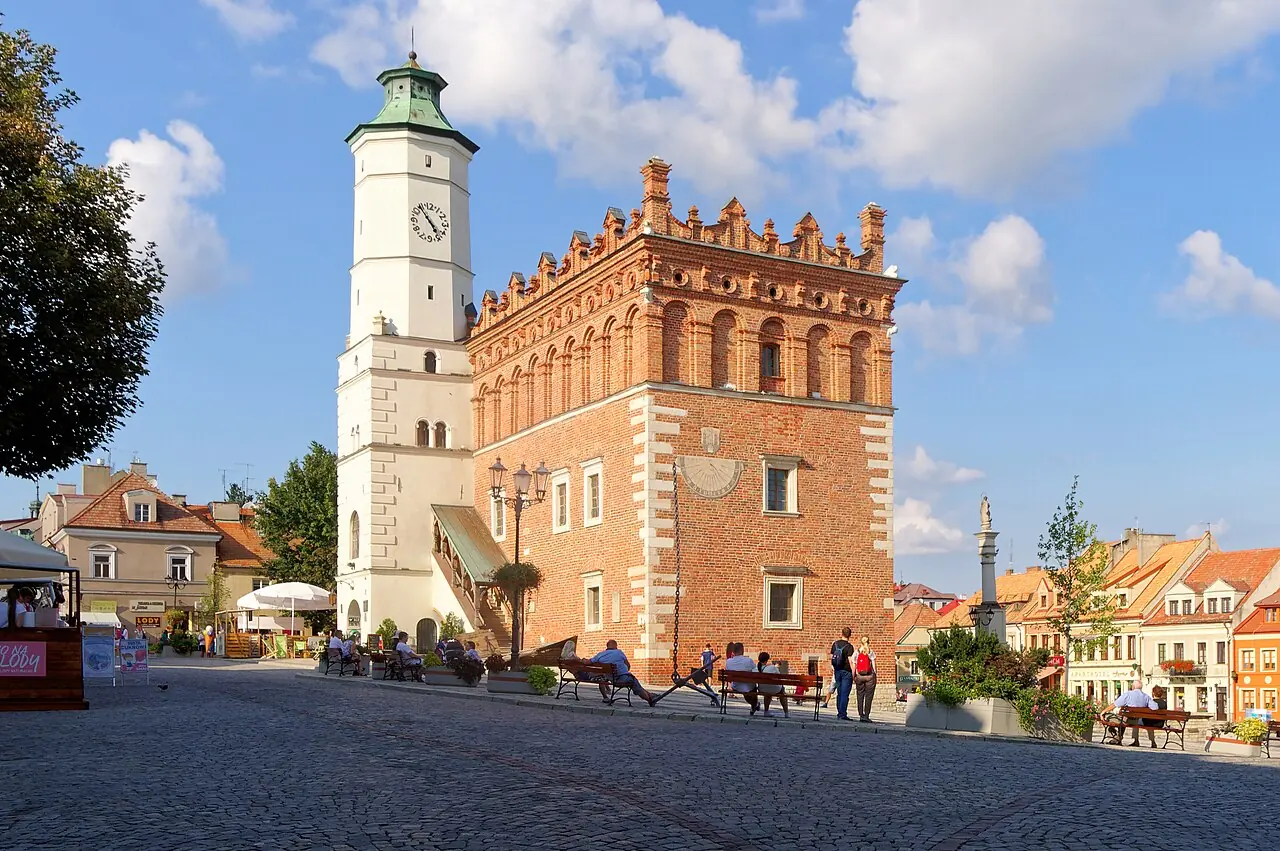 Photo Jakub Hałun, CC BY-SA 4.0, Wikimedia Commons

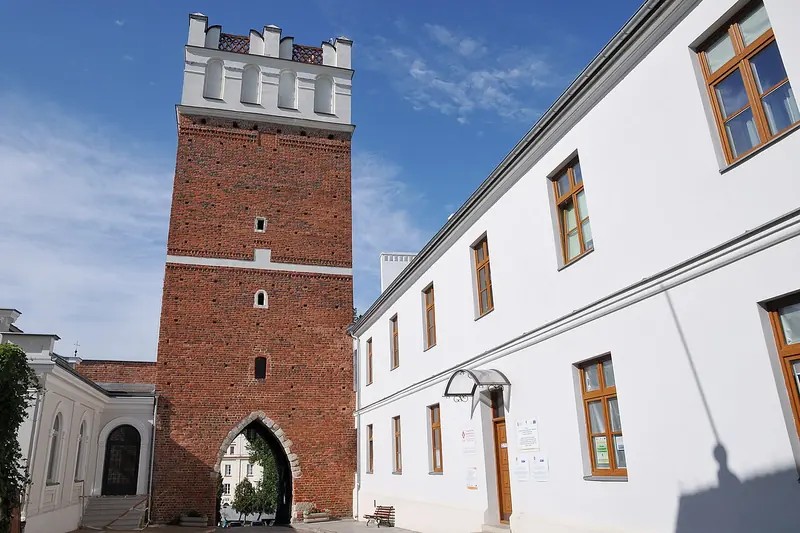 Photo Strumyczek, CC BY-SA 4.0, Wikimedia Commons1
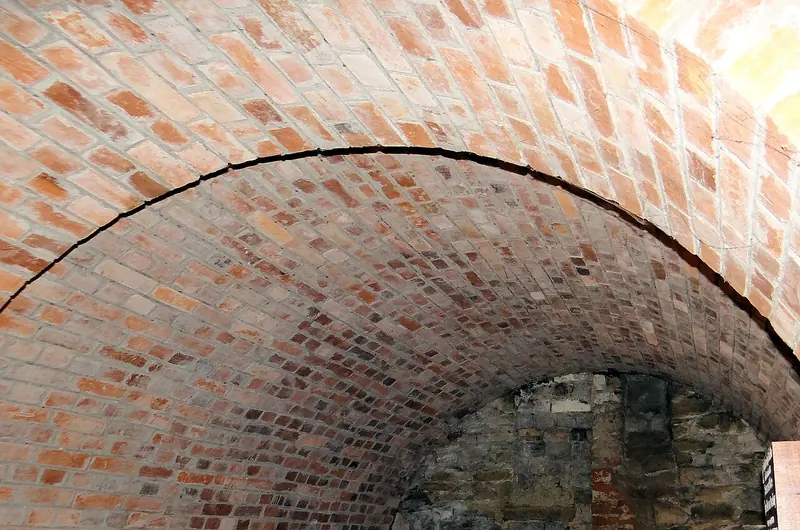 Photo Jolanta Dyr, CC BY-SA 3.0, Wikimedia Commons
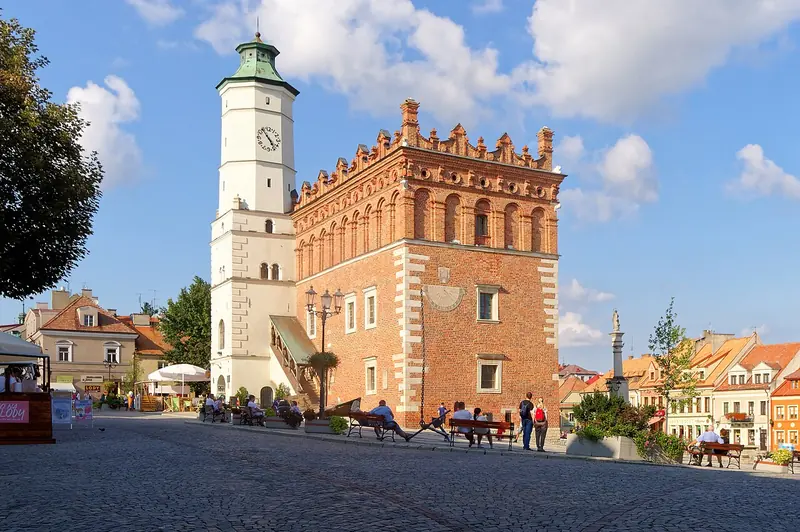 Photo Jakub Hałun, CC BY-SA 4.0, Wikimedia Commons
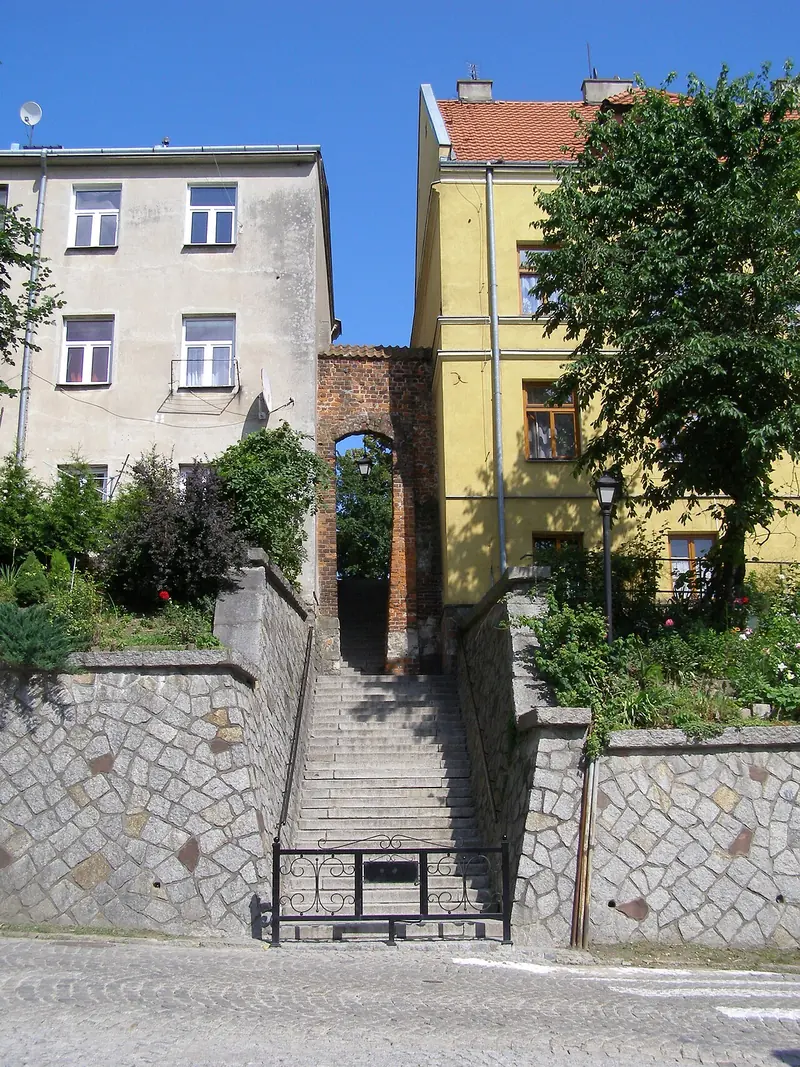 Photo Andrzej Otrębski, CC BY-SA 3.0, Wikimedia Commons
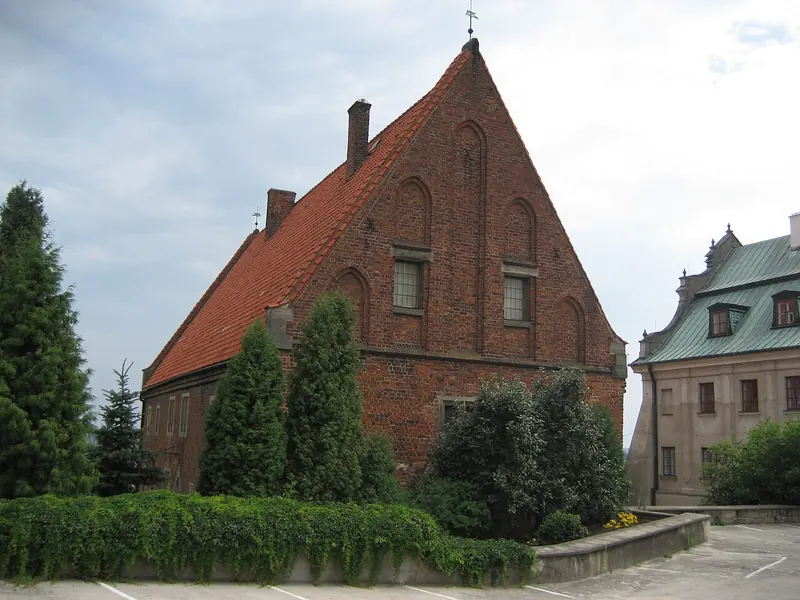 Photo Nihil novi, CC BY-SA 3.0, Wikimedia Commons
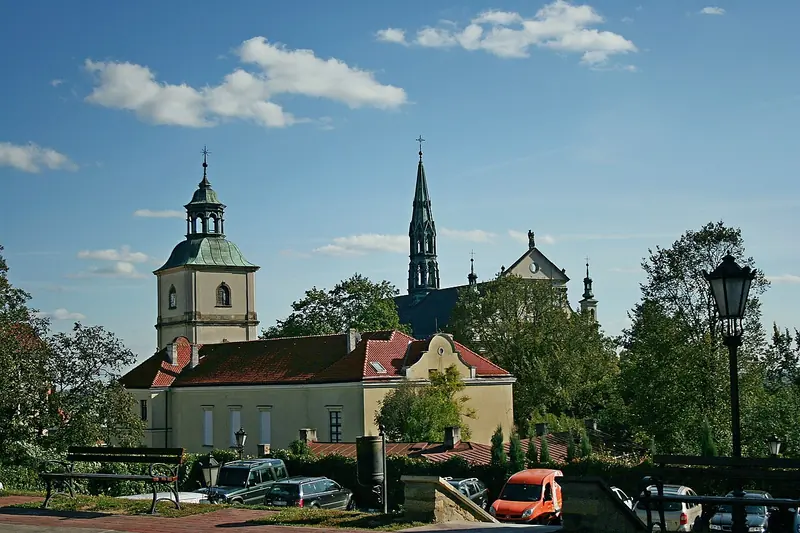 Photo Fotonews, CC BY-SA 3.0 pl, Wikimedia Commons
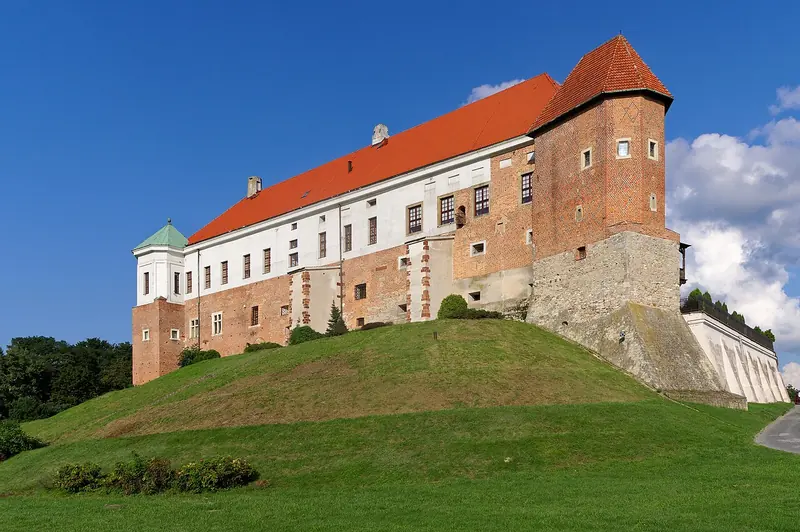 Photo Jakub Hałun, CC BY-SA 4.0, Wikimedia Commons
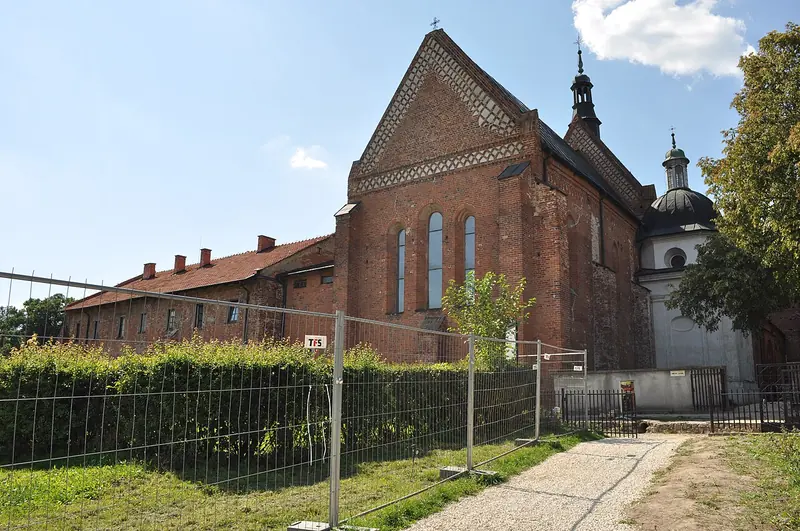 Photo Jakubpokrywka, CC BY 3.0, Wikimedia Commons
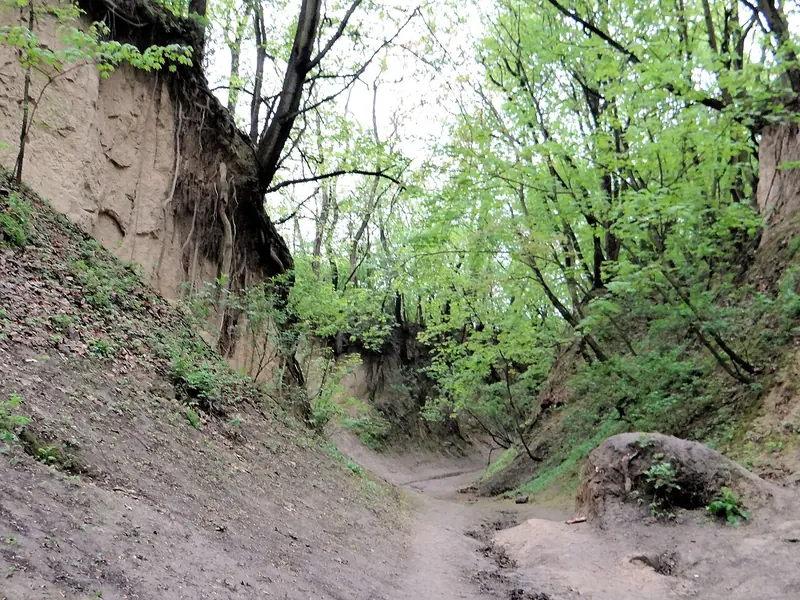 Photo Jolanta Dyr, CC BY-SA 3.0, Wikimedia Commons
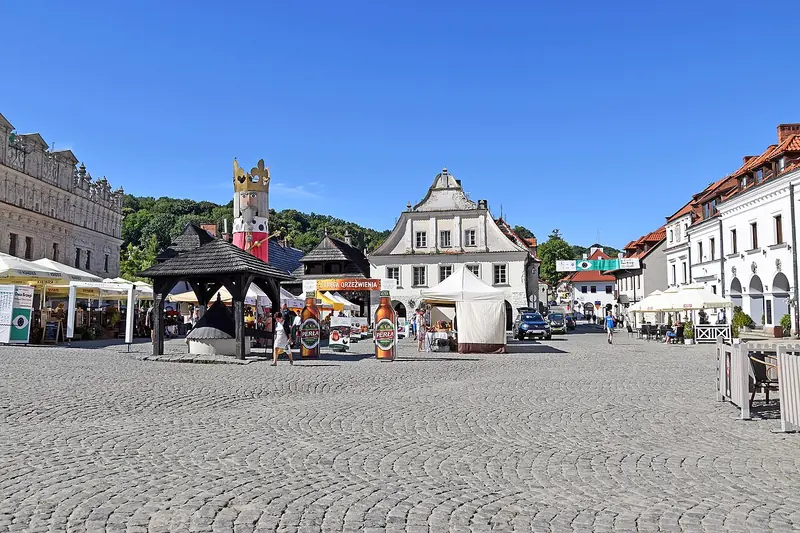 Photo BB 22385, CC BY-SA 4.0, Wikimedia Commons
 Photo M.Bucka, CC BY-SA 4.0, Wikimedia Commons
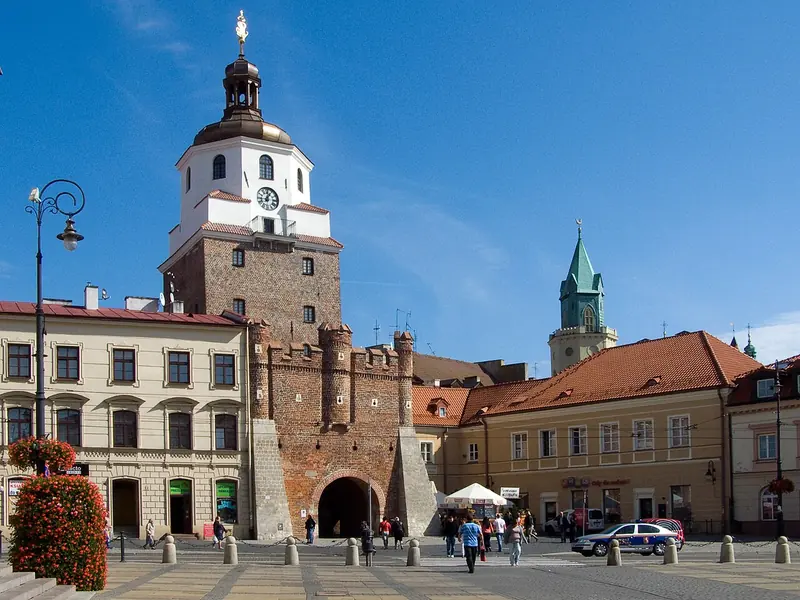 Photo Alians PL, CC BY-SA 3.0 pl, Wikimedia Commons